F
Showing posts with label Tourism. Show all posts

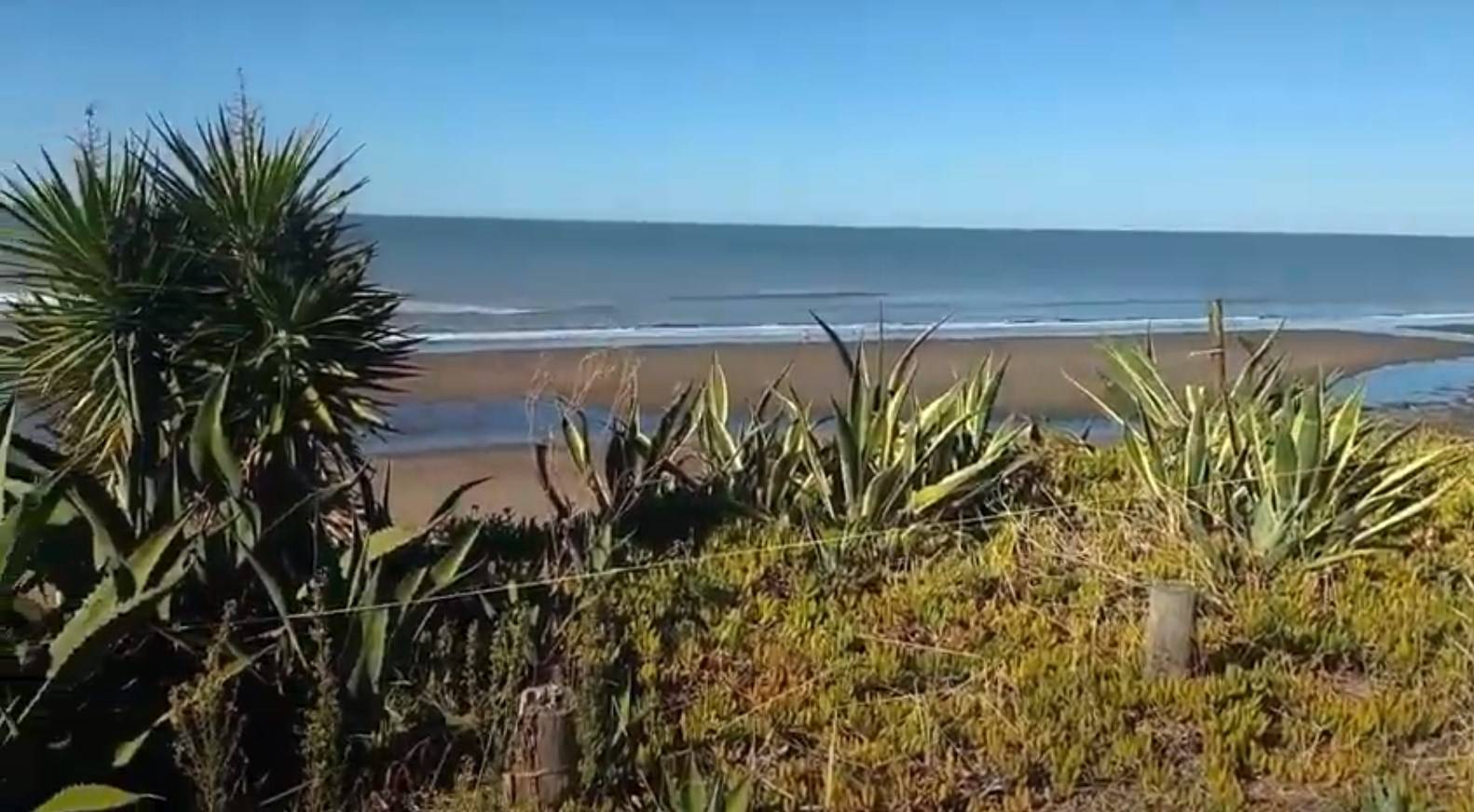
Pehuen-co is a tourist destination with natural beauty and tranquility. Pehuen-co is a tourist destination with natural beauty and tranquility.

There are some spas on the Argentine coast that have had a true tourist explosion in recent years, and more specifically since 2000.

Places that until then had been a haven for camping, night-time and fishing enthusiasts, suddenly became a place visited by many tourists who wanted peace, tranquility and healthy air.

Numerous cabins for rent began to be built, altering a bit the rugged beauty of the landscape but also giving tourists the possibility of having more comfortable and comfortable accommodation than a tent in a camping.
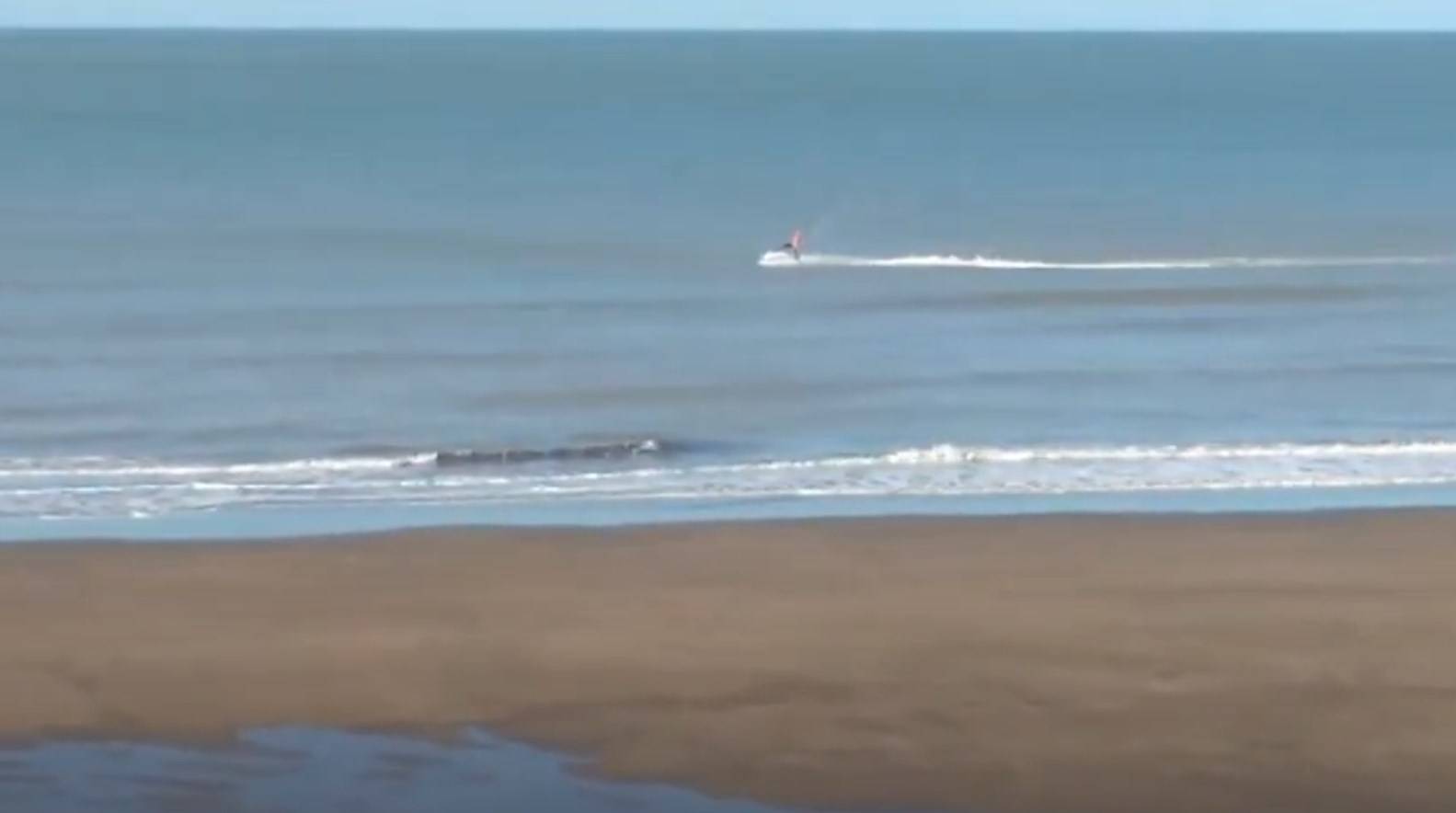
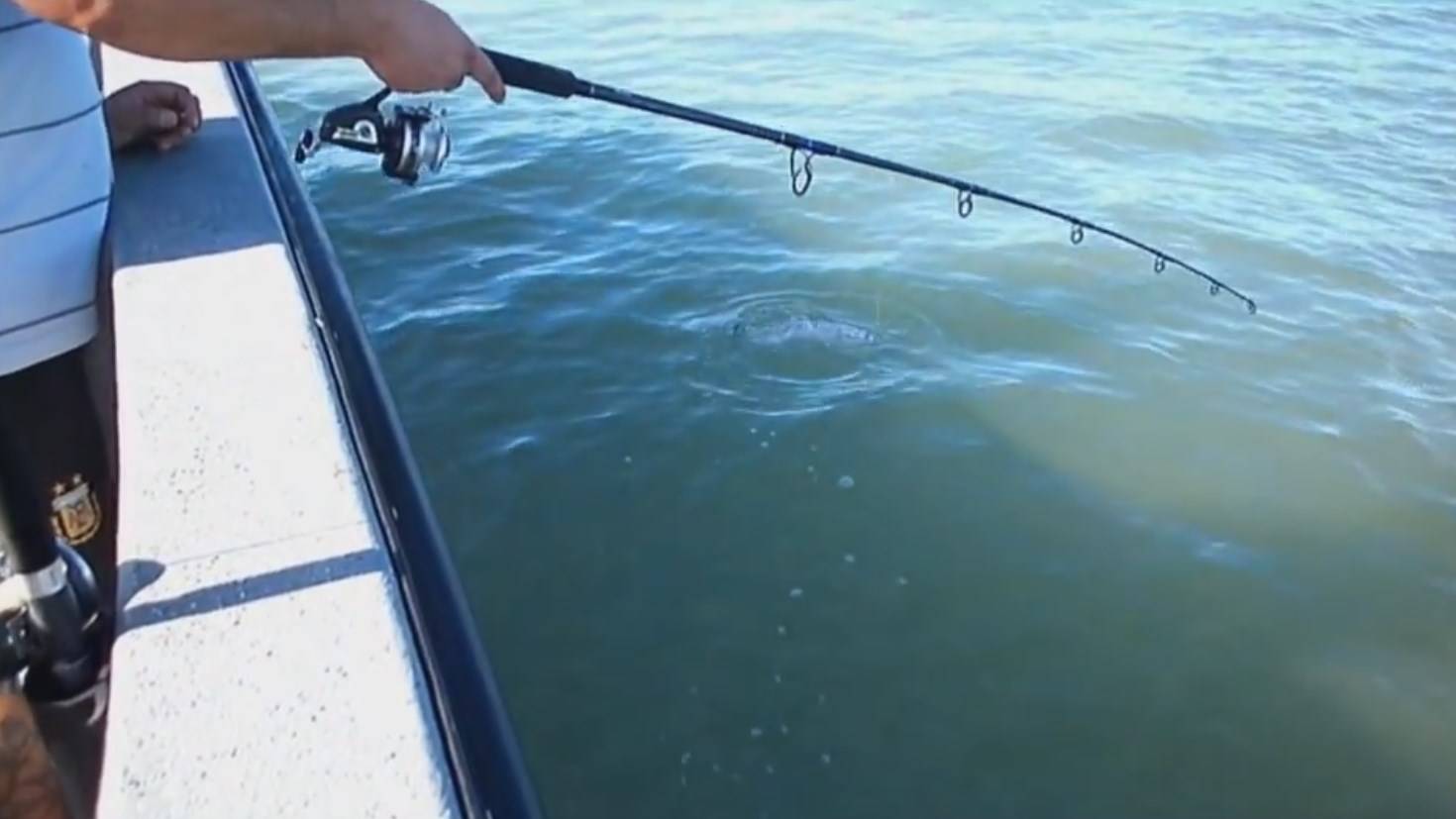
Fishing in Pehuen-Co attracts an infinite number of tourists every year Fishing in Pehuen-Co attracts an infinite number of tourists every year

Pehuencó is one of those places. And fishing is a resource that began to be exploited for tourism. Not individual fishing in a kayak or a boat, but organized fishing on catamarans or larger boats.

A pleasant experience that I want to talk about and leave testimony with my photos.

An excellent opportunity to visit a spa that still preserves many aspects of its natural, wild, jungle and uncontaminated life and that in turn allows you to make trips, alone or organized, to enjoy the incomparable sensation of fishing.
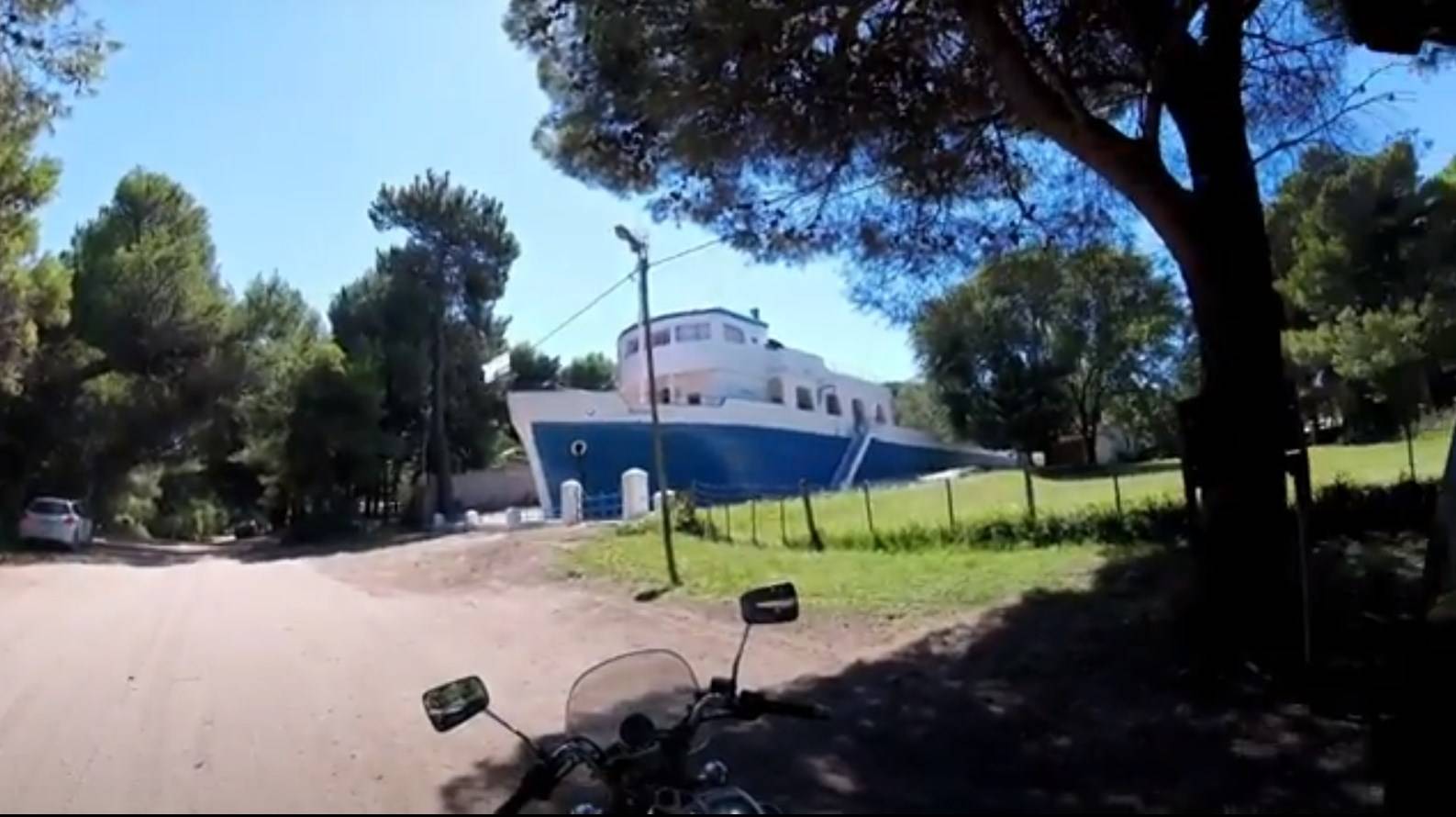
The ”Boat House” is a house of particular design located in the seaside resort of Pehuen-Co The ”Boat House” is a house of particular design located in the seaside resort of Pehuen-Co

Fishing from the coast and offshore.

There are several companies dedicated to carry out sport fishing excursions on board in Pehuen-Co. There are several companies dedicated to carry out sport fishing excursions on board in Pehuen-Co.

In Pehuen-Co you can fish from the coast, thanks to the proximity of the sand banks with a great variety, quantity and quality of catches with numerous species of fish, but you can also fish from an offshore boat.

Only 500 meters from the coast, optimal fishing results can already be obtained, although for salmon and great groupers, for example, we have to navigate around 10 nautical miles at least to catch them.

On the beach you can catch dogfish, bacota, scala and a hammerhead fish, not bad to start.

The ideal place is Punta Tejada and you have to travel about 25 kms along the coast, which is why you need an all-terrain vehicle capable of overcoming the numerous obstacles such as dunes, speed bumps, etc. or navigating the coast for a long time. , especially accompanied by expert guides who know where to find the best fishing schools.

You have to be attentive to the winds that blow especially from the south, the only ones capable of ruining an authentic fishing party day.

The advantages of Pehuen Co.
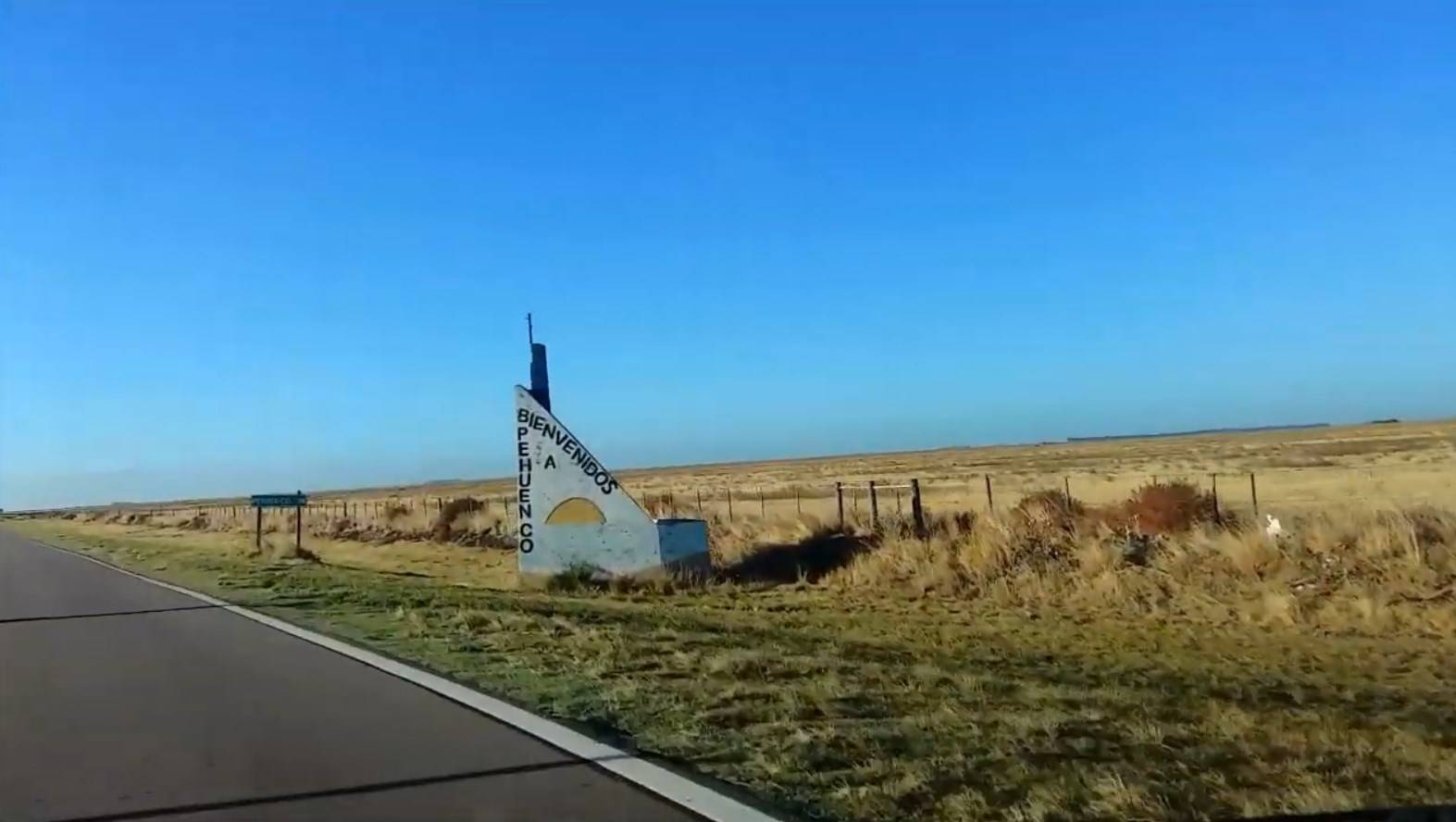
Pehuen Co is a tourist town of 681 inhabitants; making it ideal for those seeking rest, tranquility and privacy.Pehuen Co is a tourist town of 681 inhabitants; making it ideal for those seeking rest, tranquility and privacy.

Pehuen Co has several great advantages:

It is fished well throughout the year with typical varieties in each season of the year.

It is fished well in quantity and quality of species.

The sink is almost simultaneous to the bottom, that is to say, it hardly stops navigating and fishing begins.

There is no mass tourism in the area that could compromise fishing.

Colon (Entre Rios)

The one in Entre Rios is the fifth trip (Argentina has 23 provinces.)

My travel goals 5 of 23: Entre Ríos.

We took this trip in January of this year, for the summer holidays and we went to the city of Colón. This city is small and very quiet. It has a central area where there are several restaurants and other shops.

Entre Ríos, a visit to the city of Colon. 

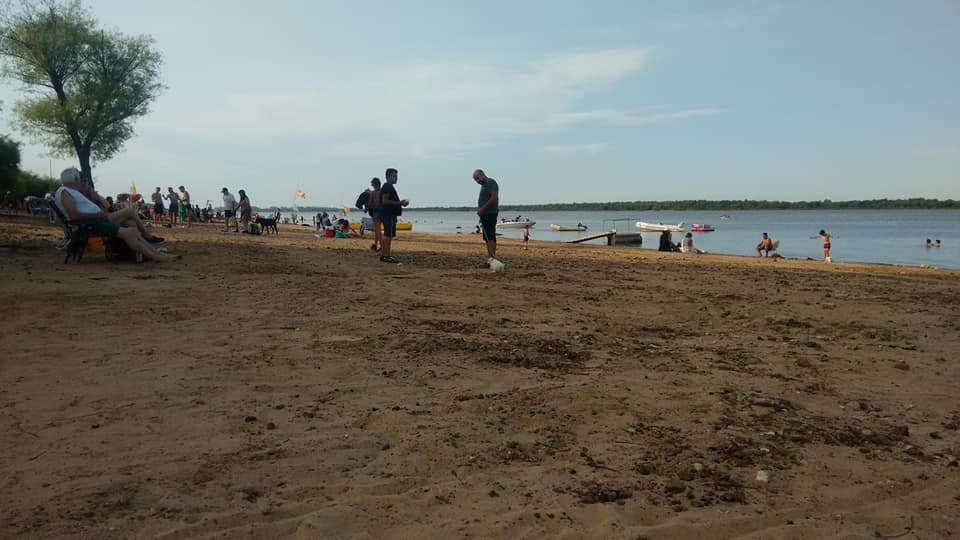
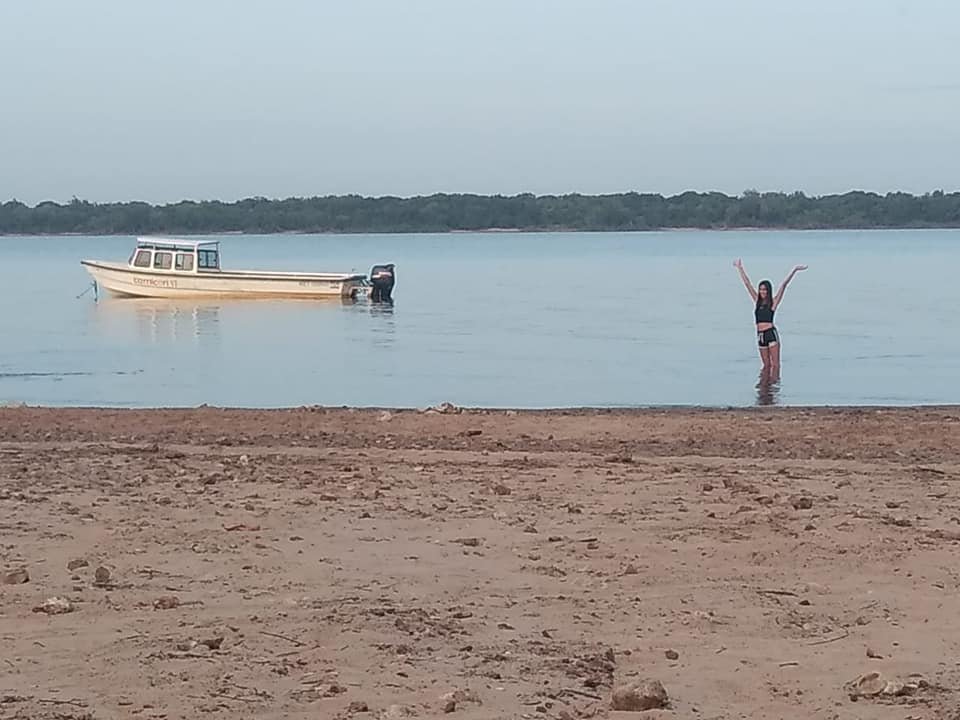
Colon is located on the banks of the Uruguay River, where people can go to bathe and spend the day. 

The funny thing is that depending on the area in which you approach the river, the panorama changes completely: the first day we went to a very quiet area. 

There were few people resting and some with their pets. 

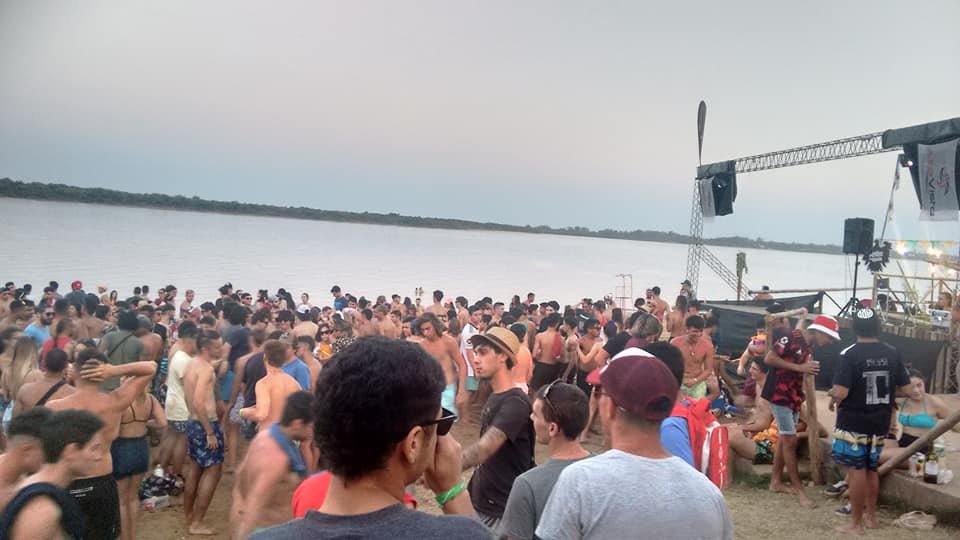
Some days later, googling, we discovered that there was another sector that was more crowded. 

The beach of the young souls.

When we went there, we discovered that big parties were going on all day. We call it “the beach of the young souls”.

 Colon (Entre Rios) playa 81819142_10216429281507703_7838955961111805952_n.jpg Colon (Entre Rios) festival

A thermal water complex.

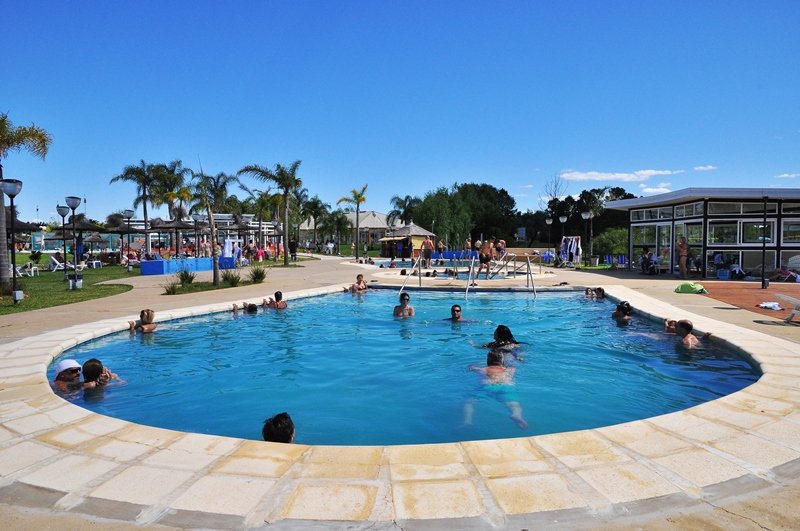
Besides being able to spend the day on the river, the city of Colón has a thermal water complex. 

I had never been to such a place and it was very relaxing to spend the day in the hot water even though it was about 77F that day. 

We had to leave our cell phones in a locker so I couldn't take photos of the swimming pools, but I show you one from the web.

Colon (Entre Rios) pileta

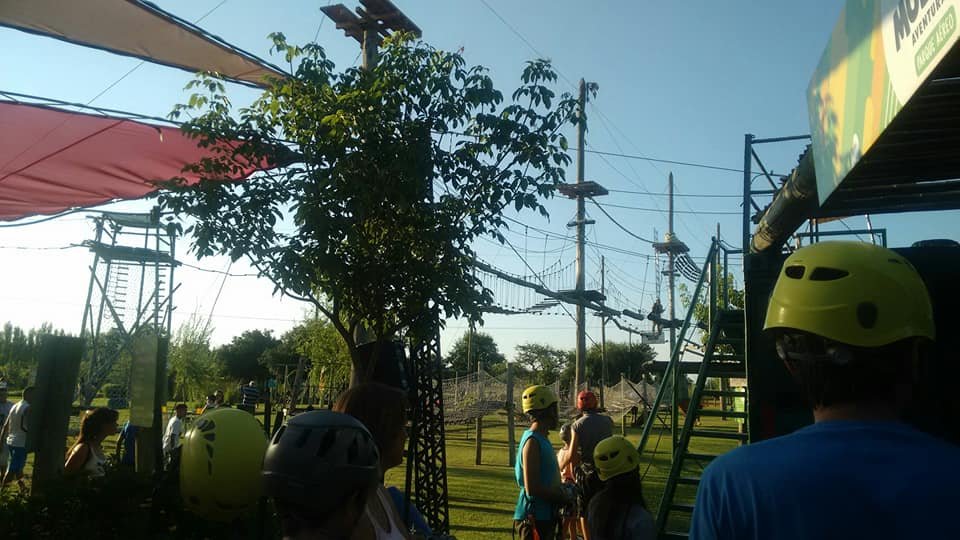
Finally, we visit an air park. It was like an amusement park but with circuits to climb. 

You had to be in good physical condition to pass all of them! I'm proud to say that we made it 

81882814_10216429290347924_4889488183919640576_n.jpg

82058204_10216429280507678_5286676451532210176_n.jpg

Source,

San Luis

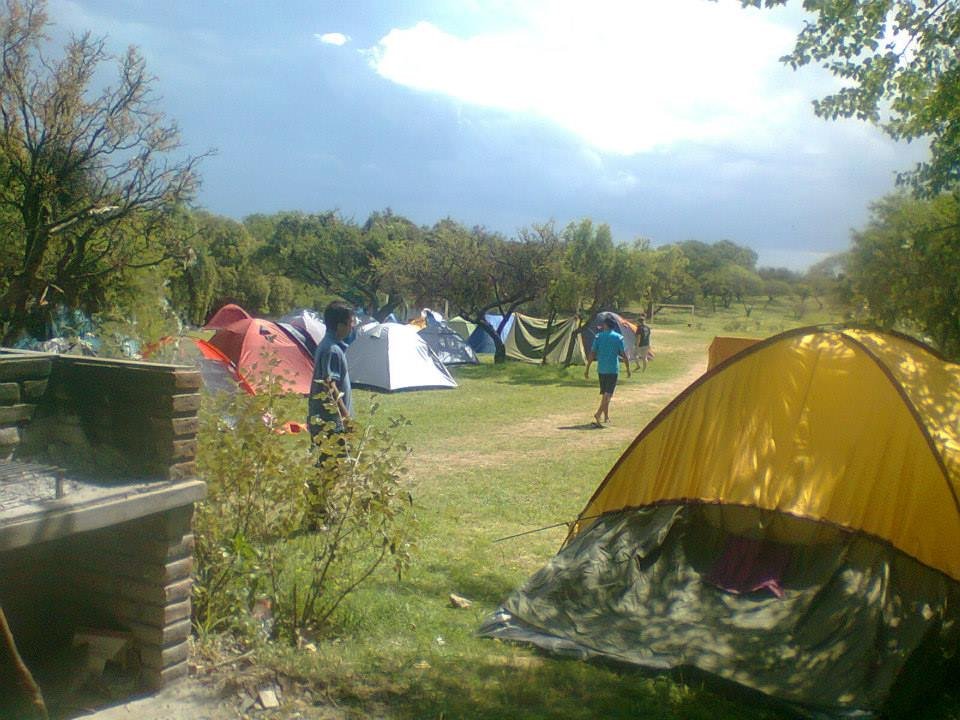
We went to the locality of Villa Larca, precisely to the Chorro de San Ignacio Tourist Complex. This consists of a campsite at the foot of the mountains from where there is access to them.

My travel goals 3 of 23: San Luis, Chorro de San Ignacio Tourist Complex. 

I did this trip as part of a student's camp when I was in college. That camp lasted a week and was attended by more than 400 college students from across the country. 

This activity is done annually in the month of January. 

A campsite at the foot of the mountains. 

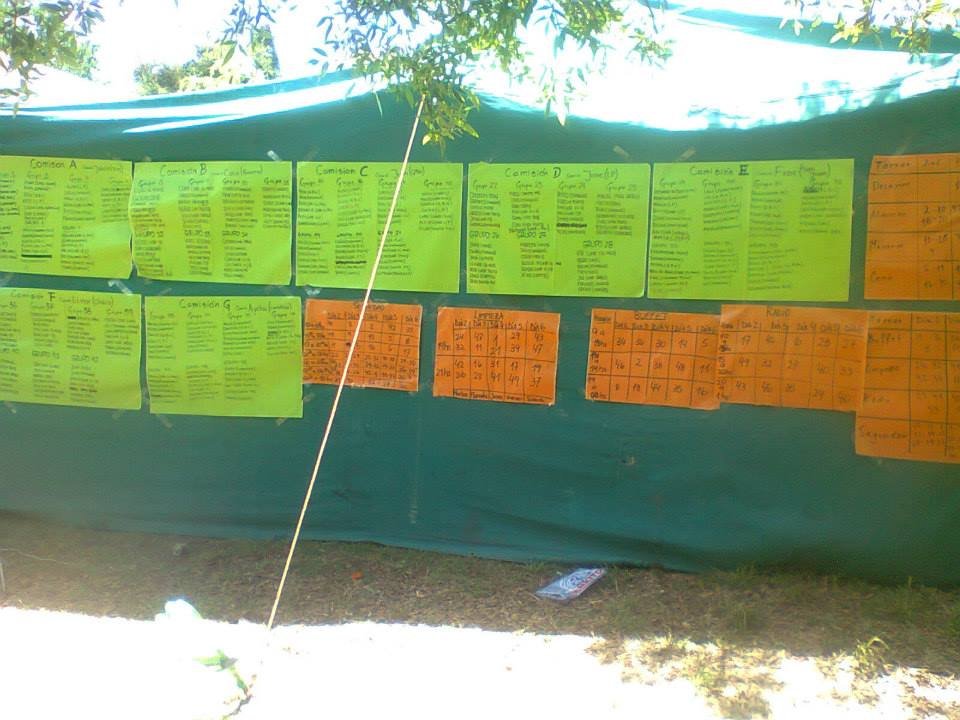
The student camp has an incredible organization: the first day groups were randomly formed and the collective tasks were distributed: preparing breakfast, lunch and dinner, washing dishes, organizing games, all for the 400 people who went! We took turns between everyone and the camp worked perfectly. 

A week of pure socialization. We woke up early in the morning, in the afternoons we enjoyed the day walking around the campsite or using the facilities, and in the nights we had some parties. Very funny!

San Luis camping san luis 4.jpg

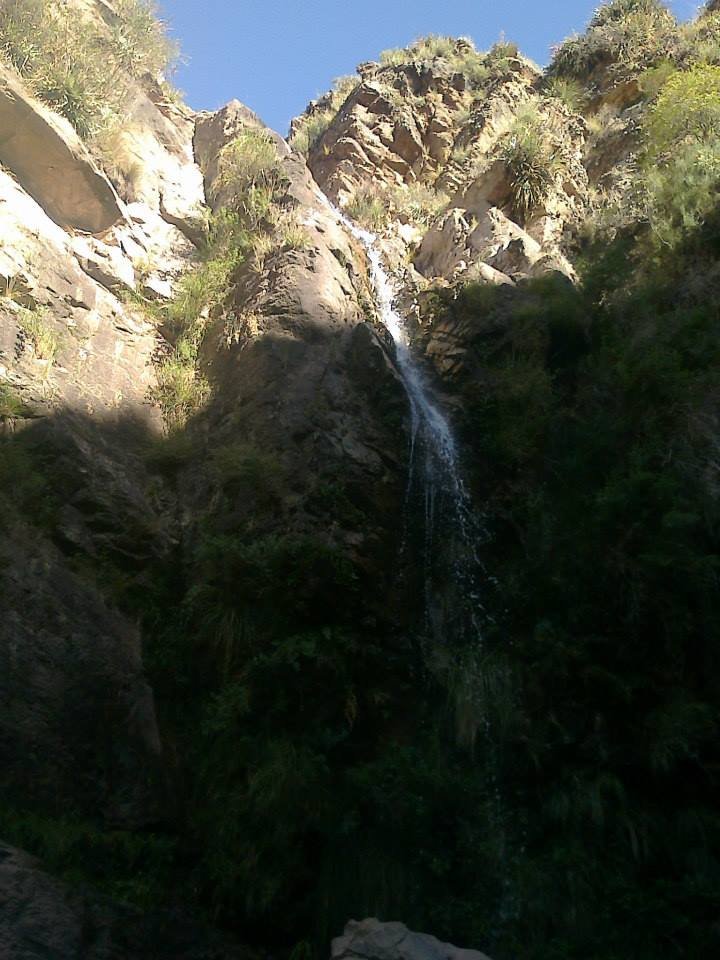
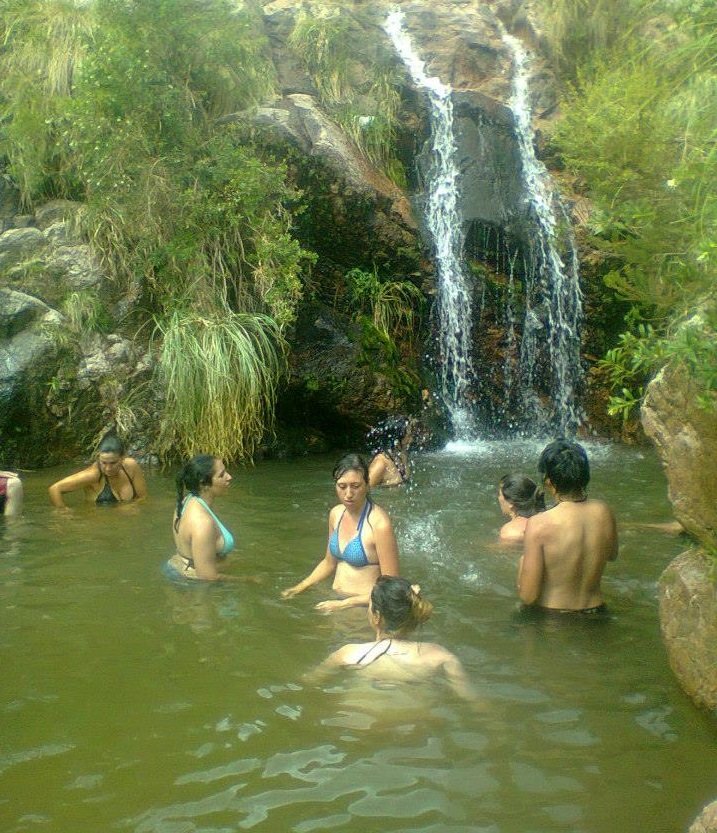
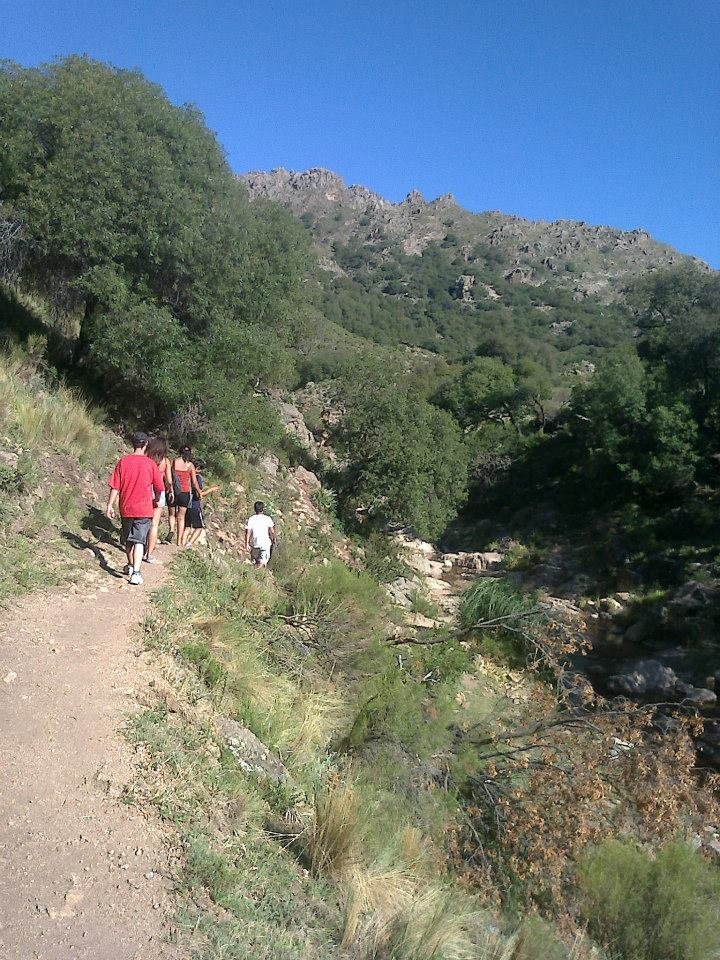
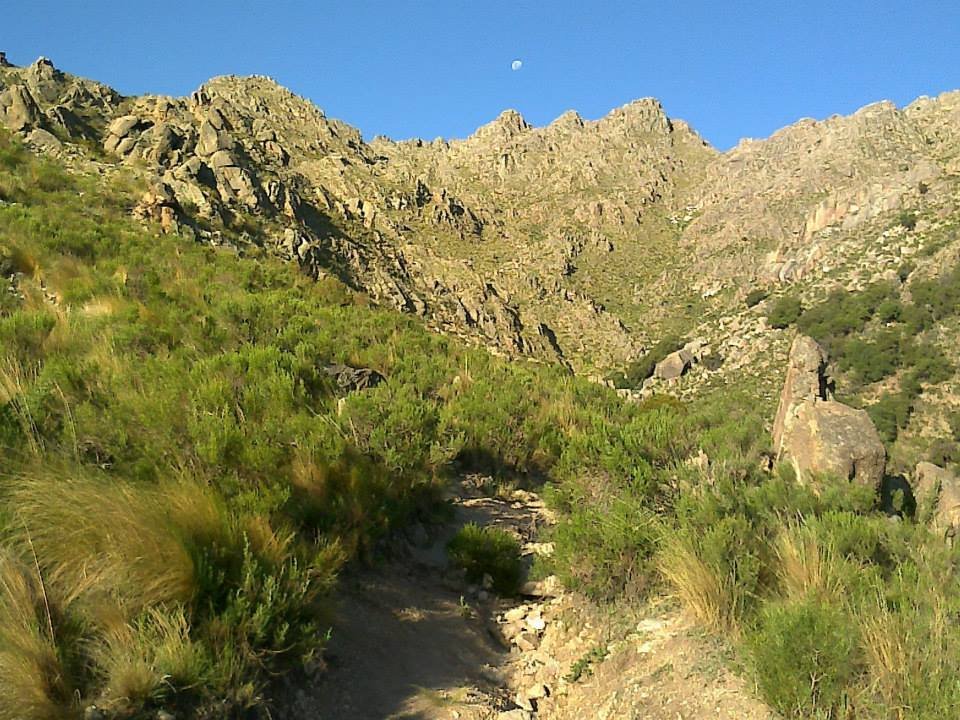
Regarding the landscape, Villa Larca has a lot of vegetation and numerous waterfalls, with trails to go through. The main attraction is the Chorro de San Ignacio, a waterfall of approximately 20 meters that falls over a lagoon.

A very nice place to go to know! 

 In all these bodies of water you can bathe: the water is warm and transparent. If you walk up the path, you can reach natural balconies with beautiful views to spend the day. A very nice place to go to know!

san luis 5.jpg San Luis falls San Luis trekking San Luis mountains

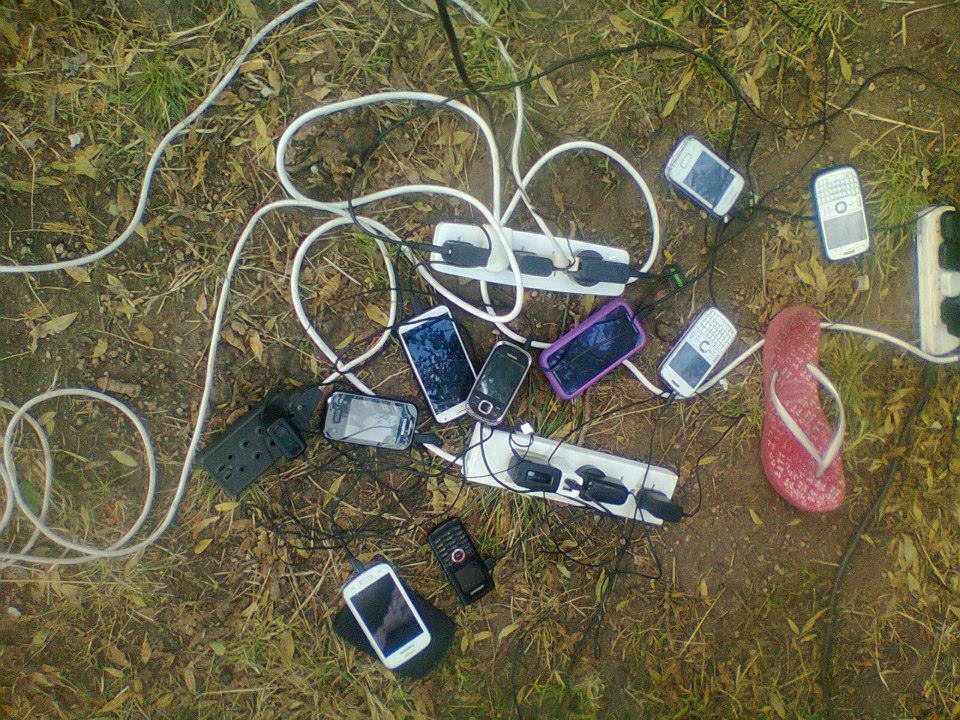
And in case you have noticed a little low quality in these photos, I will tell you that I did this trip in 2014, and these were the cell phones that were handled at that time.

cel.jpg

Source

464.-Villa-Epecuen-historia-de-una-tragedia.png/center>

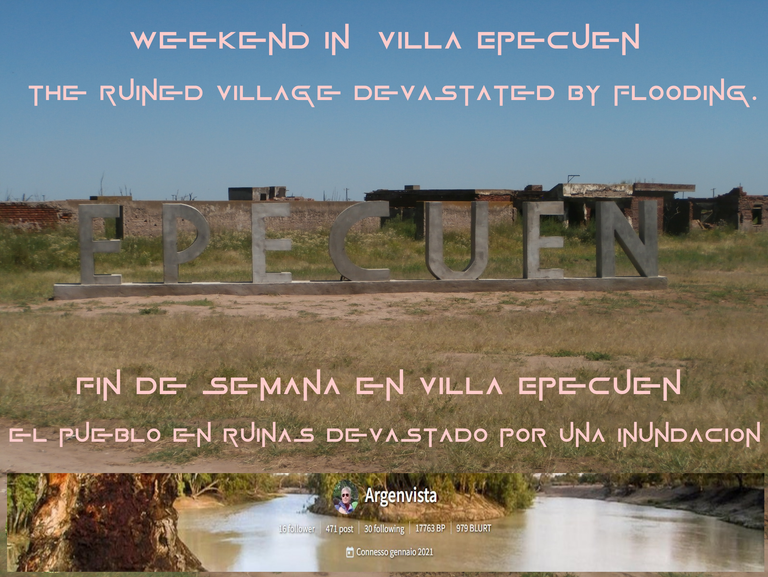
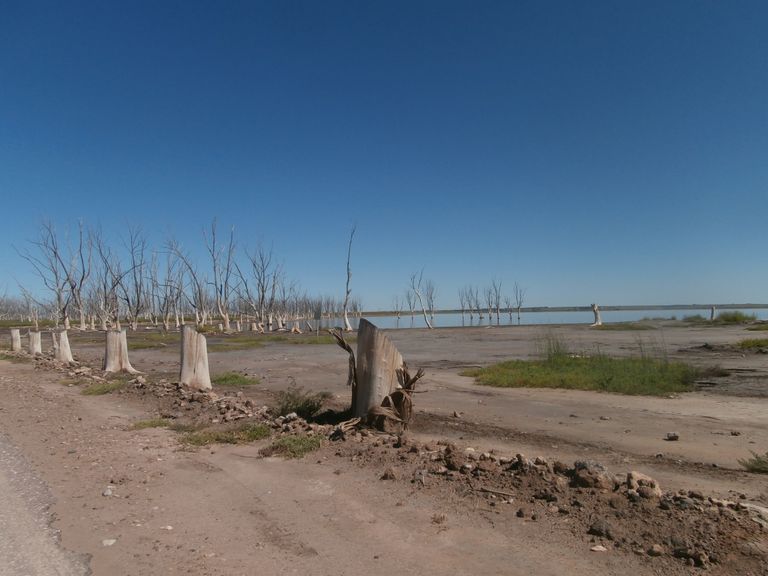
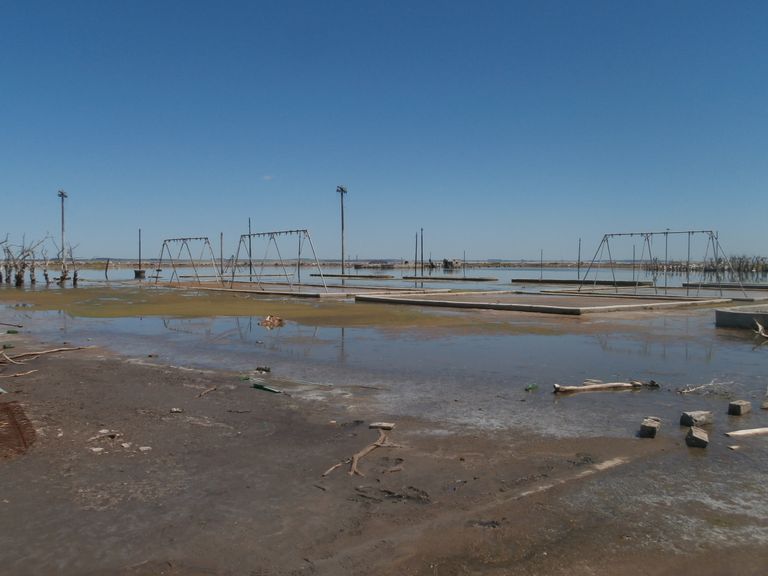
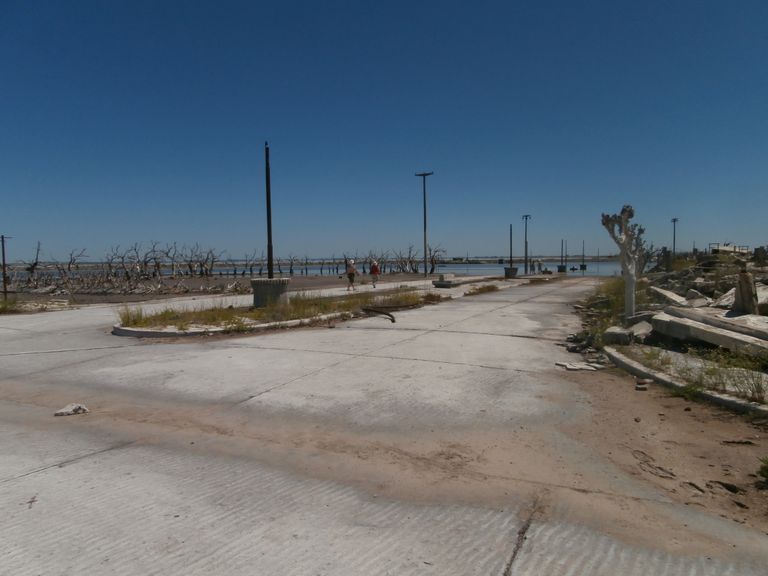
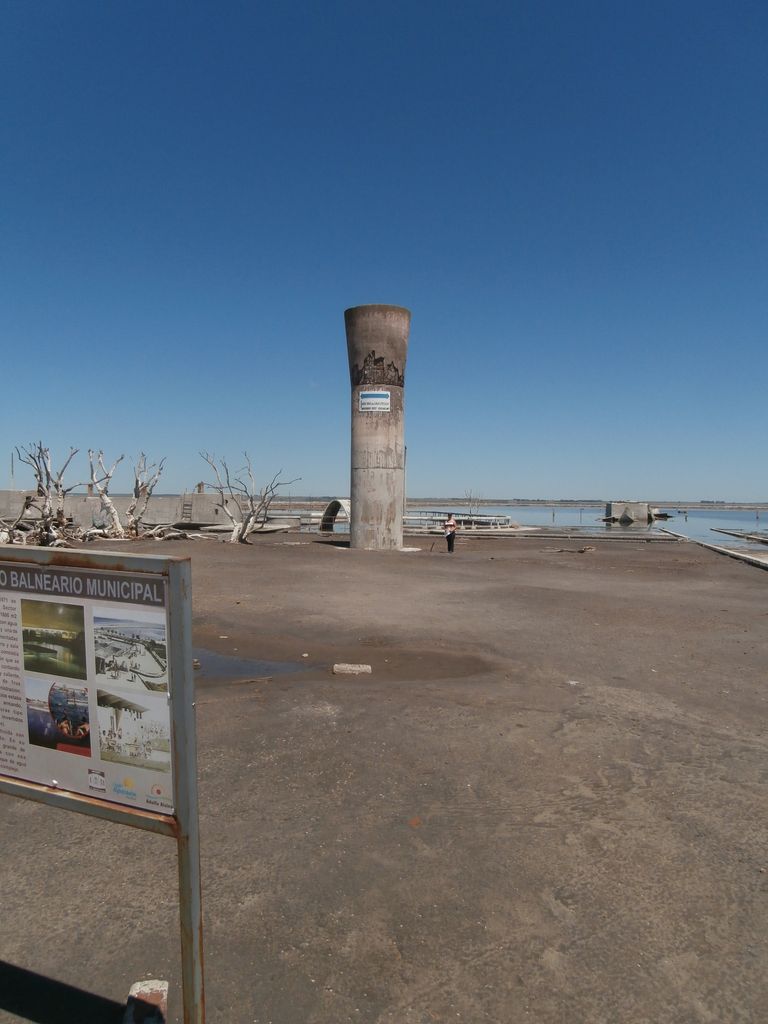
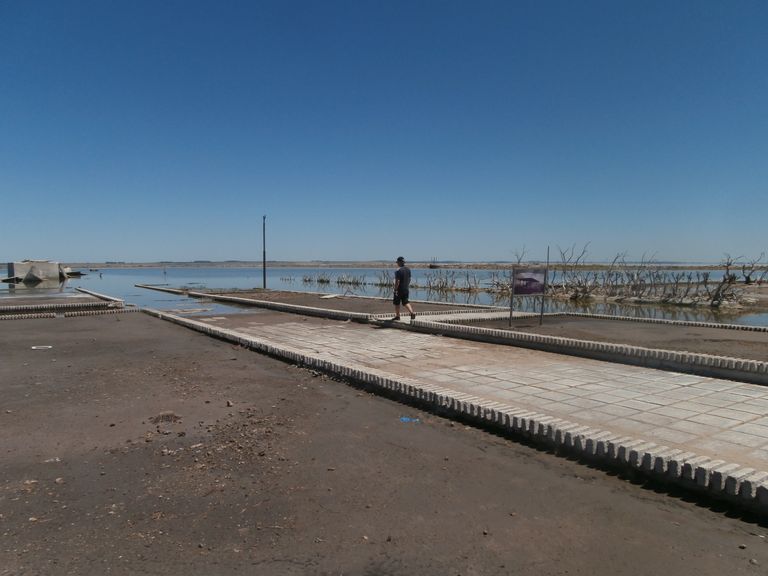
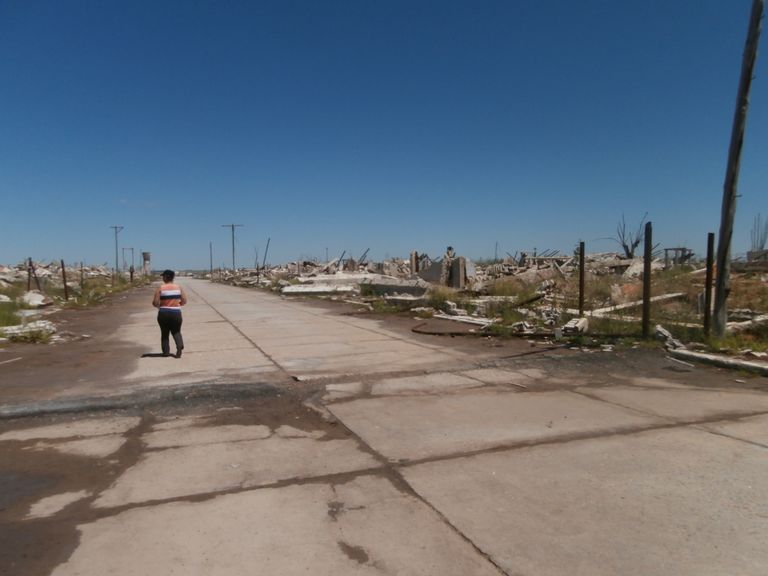
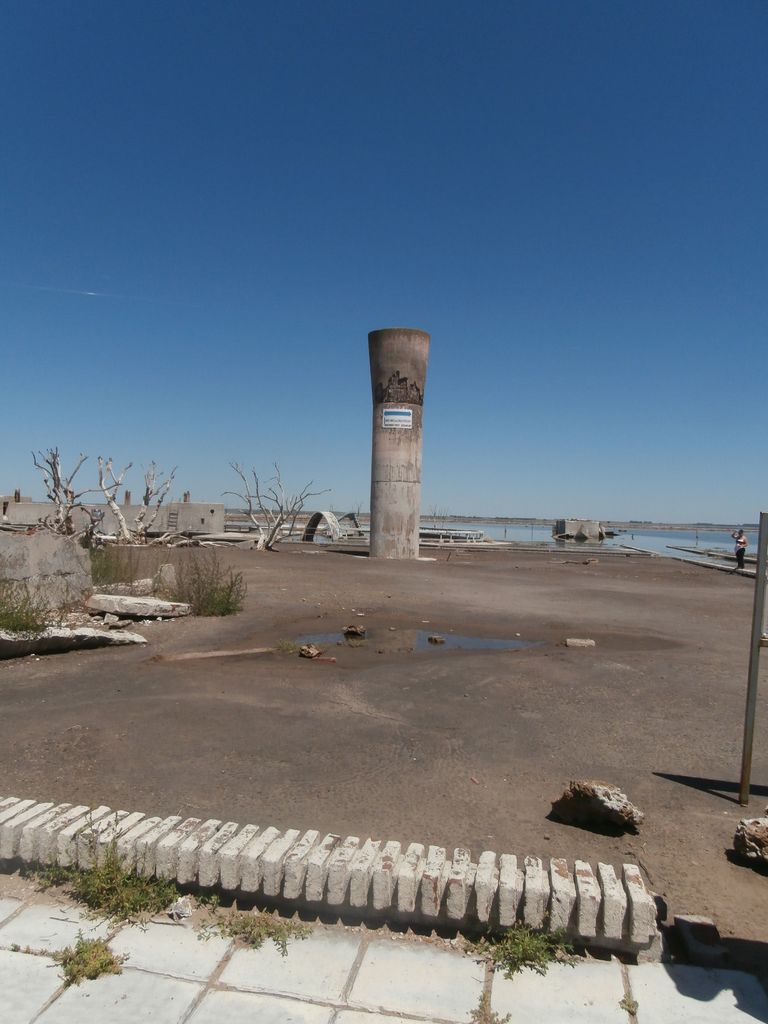
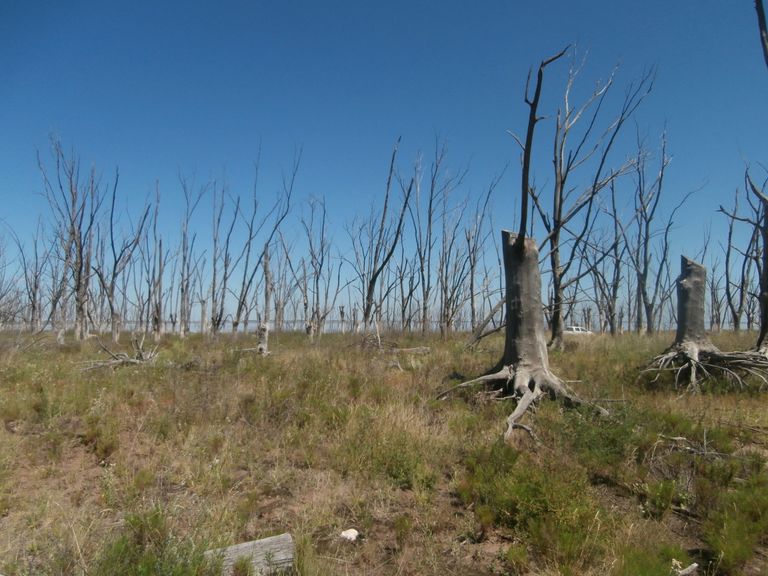
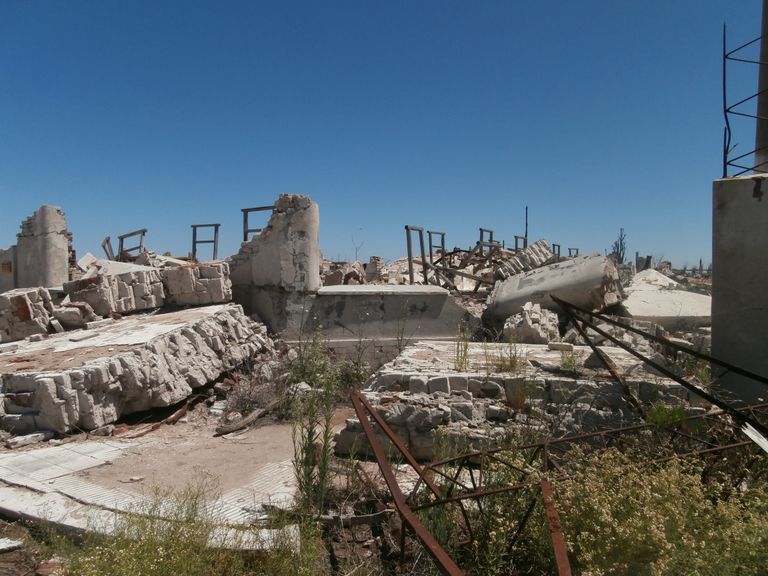
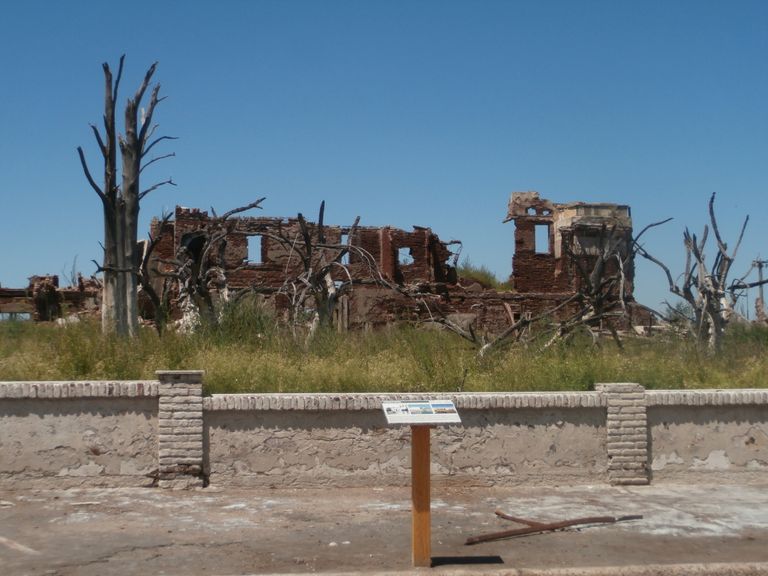
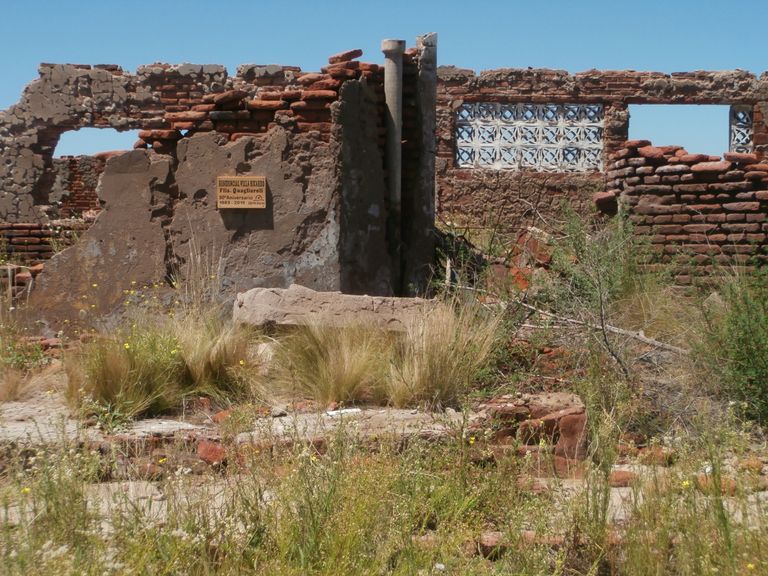
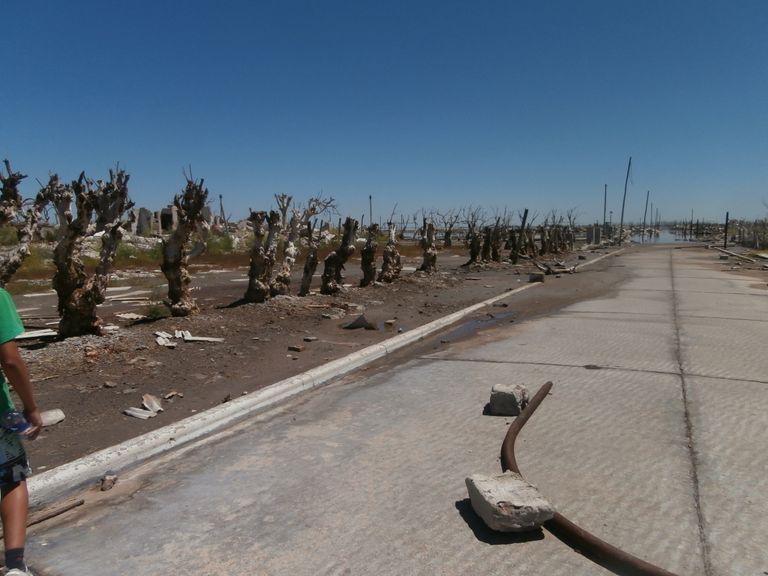
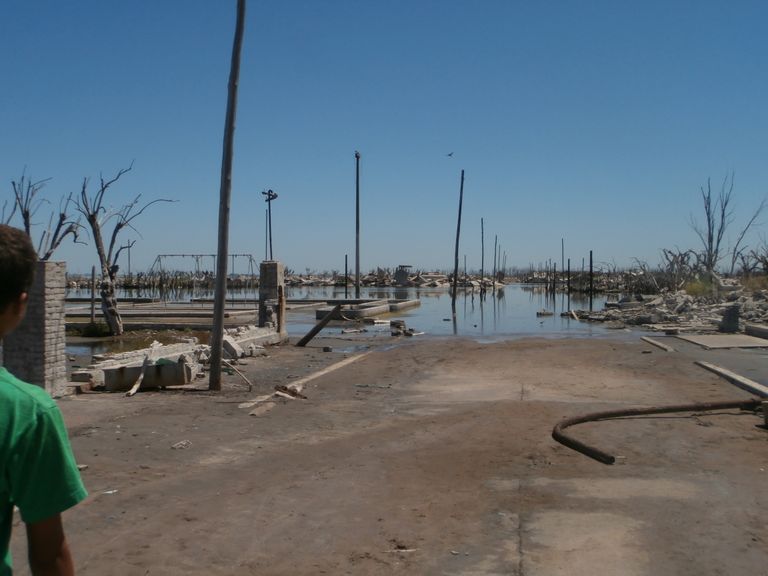
I had long wanted to visit Villa Epecuén, the ruins of the former popular tourist village in the west of Buenos Aires province in Argentina that met a tragic end succumbing to the rain on 10 November 1985 when the embankment gave way and the water completely covered the village.

A powerful southeast storm in the days following the heavy rains completed the work of destruction.

88.-P2090238.JPG

An immense flood destroyed the dream of so many tourists who took advantage of the immense natural fresh water pools to spend their holidays....

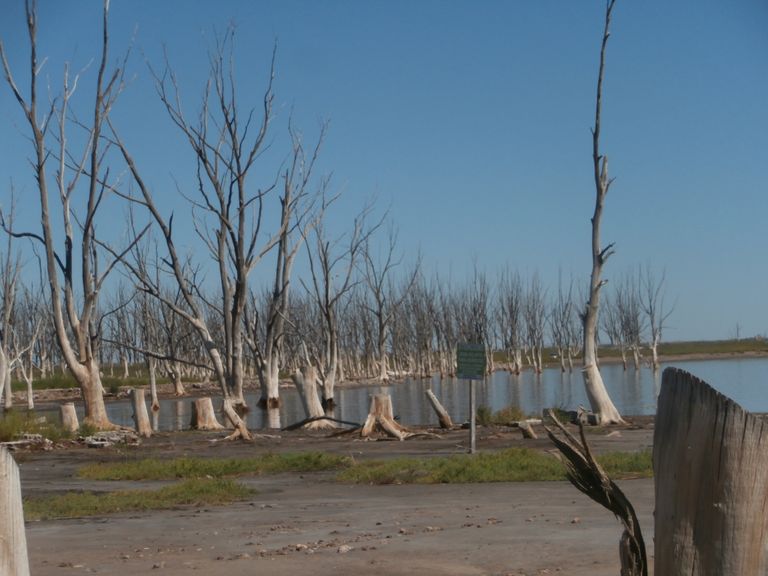
Today only ruins of that past splendour remain.

It had been inaugurated in 1821 when tourism was beginning to become popular in Argentina and, at the beginning, it was the favourite destination of wealthy families. Then, little by little, families of modest means also began to join in.

88.-P2090237.JPG

At the beginning of the 20th century, the arrival of the railway gave it an even greater boost. It was its golden age. Trains full of tourists had an obligatory stop in Villa Epecuén, where hundreds of tourists got off.

In its heyday it was said that its waters had healing powers, although in fact the lagoon that had these properties was the neighbouring lagoon of Carhué, with a high salt content that favoured the cure of bone and rheumatic diseases.

88.-P2090230.JPG

It actually took several years for the mud from the lagoon to be recognised by the World Health Organisation (WHO) for its curative properties.

It had everything: family hotels and luxury hotels, restaurants for all budgets. With just 1,200 inhabitants, it was one of the main tourist centres in the region, with between 25,000 and 30,000 tourists arriving each summer season.

88.-P2090231.JPG

Remarkable numbers for the time, I am talking about the 1960s-1970s. It had 6,000 hotel beds (five times more than its inhabitants) and around 300 commercial exercises.

It even came to compete with the popular Mar del Plata, albeit on a smaller scale, and for less well-off families who could not spend too much money on holidays.

88.-P2090233.JPG

Practically at a time when business opening hours followed the traditional schedule, Epecuén kept all its shops open 24 hours a day.

In winter, of course, it was completely empty. It was only summer tourism. Some people, in boats, would go away from the shores of the lagoon and spend the day fishing.

There were always fears of flooding, as the village was almost at the same level as the lagoon. For this reason, waterworks to drain the lagoon were indispensable.

88.-P2090234.JPG

However, the military coup d'état in 1976 and the dictatorship that followed made it impossible to carry out the project. Those were hard years for Argentina in which the military junta was only concerned with repressing thoughts contrary to its ideology.

At the beginning of 1985 it rained in a few months the same amount as it normally rained in a year. The water gradually accumulated and the level of the lagoon began to rise. But what gave it the coup de grâce was the Sudestada of 10 November (a meteorological phenomenon characterised by intense rain with strong winds and waves that especially affects the Rio de la Plata).

88.-P2090227.JPG

In a few hours the town was completely flooded and the general evacuation of the population began. Everyone took what they could.

The embankment gave way and the water began to enter the village, slowly and inexorably. The inhabitants began to cover doors and cracks where the water could pass through with sandbags, but the water was advancing. Within hours the hotels were covered with a metre of water.

88.-P2090232.JPG

The underground water table in the lagoon broke and water began to seep to the surface. Despite the fact that there was no more rain, the water began to rise at a rate of one centimetre per hour.

People living in the higher parts of the village returned to their homes in the hope of getting back on their feet. But the water continued to advance, slowly and inexorably. Until it was time for them too to leave.

88.-P2090226.JPG

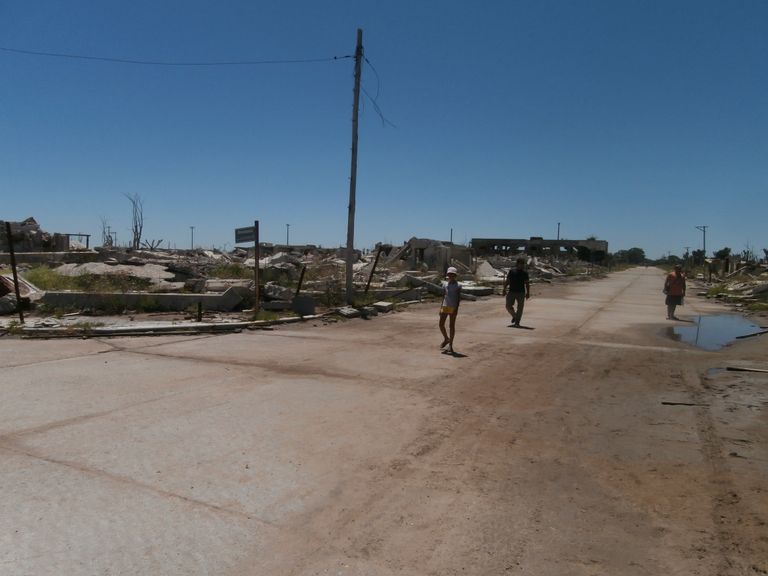
In less than a month, Villa Epecuén was transformed from a flourishing and lively tourist centre into a devastated place, a ghost town.

The glorious years of Villa Epecuén had been, after a few months, submerged under seven metres of water.

88.-P2090208.JPG

Twenty years after that tragic 1985, the water gradually began to recede and the former residents who had settled in Carhué and other neighbouring towns wanted to return, only to find a devastating, surreal landscape.

Their eyes could not get used to that tide of memories, of vestiges of a splendid past and of projects that could not be.

88.-P2090221.JPG

88.-P2090220.JPG
88.-P2090218.JPG

88.-P2090228.JPG
88.-P2090229.JPG

source

Moreno lake is a glacial lake.

What makes this lake so special is that it's divided in two similarly-sized portions called Moreno

Oeste and Moreno Este.

Its waters are warmer than the other lakes in the area.

Enjoy the forest in an entertaining walk to the Mirador del Lago Moreno in the Llao Llao area.

It is a lake of glacial origin that is divided into two parts: west and east.

The charm of Moreno Lake.


The lake has a large number of beaches, but the most accessible and visited are those adjacent to the two bridges of the Circuito Chico: the one that overcomes the short Arroyo Angostura, which drains the lake in neighboring Nahuel Huapi, and the one that overcomes the channel that divides both halves of the lake.

These beaches are located in the northern part of the lake.

It is visited while the Circuito Chico is being carried out from where you get beautiful views from one of its viewpoints at the foot of the road.

Beaches.


Other of the closest beaches to the City of Bariloche, is the one known as Playa del Viento, at km 12 (Bustillo).

The lake is navigable, but with boats with outboard motors for tourist and sports reasons. It is also one of the preferred destinations for windsurfers and sailors. The name Playa del Viento, was given by the local neighborhood council, and I think everyone can imagine why.

It is the only lake that can be fished all year round, obviously with a fishing permit.

Read also: With different beaches and service areas, Lake Gutiérrez is a summer classic in Bariloche.

Most of its coasts are privately owned and correspond to tourist homes. Only the northern end of Lake Moreno Oeste belongs to the Llao Llao Municipal Park, detached in the 1980s from the Nahuel Huapi National Park.

Kayak tour. Starting from nearby Bariloche, this trip in the Nahuel Huapi National Park is suitable for both expert kayak enthusiasts and those who have never put a paddle in the water.

Points to visit.


Bahía Moreno Oeste
Costa Lago Moreno stone house and mouth stream stone house
Moreno Lake Cerro Capilla
Lake Moreno coast Llao Llao area
Arroyo Angostura
Papyrus_PNG_Clipart_Image-1000x737.png
Throughout the year the Tourism Entity of Buenos Aires offers free guided tours.

Each month a different theme is presented that follows the attractions of the city, such as tango, theaters, architecture, art and history among others.
El Federal is the oldest operating bar and restaurant in the City of Buenos Aires.


How to tour Buenos Aires through free guided tours offered by the Tourism Entity.


Visits are made on foot and suspended by rain.

Retreat, a corner for art.

The Isaac Fernández Blanco Museum of Hispano-American Art houses a cradle of choice based on artistic and decorative objects from South America from the period of colonial rule to the independent era.

Large palaces and residences that coexist with art galleries and private collections, visiting the Museum of Hispanic Art "Isaac Fernández Blanco".

The Isaac Fernández Blanco Hispanic American Museum is located in the City of Buenos Aires, based in the former Noel Palace (Suipacha 1422) in the Retiro neighborhood. Its collection is based on artistic and decorative objects from South America from the period of colonial domination to the independent era.

Read also: Buenos Aires, the eternal city of Jorge Luis Borges.

The museum began its activity during the 1910s, in the mansion where Isaac Fernández Blanco lived with his family. It was the first private museum in Argentina, with a heritage formed by the private collection that Fernández Blanco had formed for several decades.

The heritage began to expand with donations from several families of the Buenos Aires aristocracy who wanted to place their family objects of great value in a prestigious place.

When the Plaza Lavalle shelled in tangos.

Plaza Lavalle is a green space three blocks from Buenos Aires, Argentina. It is located in the San Nicolás neighborhood, surrounded by Libertad, Lavalle, Talcahuano and Córdoba avenues.


Corners where the tango lived its time of glory, the memory of musicians, poets and singers.
Lavalle Square is a green space three blocks from the City of Buenos Aires, Argentina.

It is located in the San Nicolás neighborhood, surrounded by Libertad, Lavalle, Talcahuano and Córdoba Avenue.
In the vicinity of the Lavalle Square are some of the historical, institutional and cultural sites of the City.

Part of this square was located in the so-called hollow of Zamudio, a vacant lot where in the 18th century there was a lagoon. One of the streams that used to cross the city, the Third of the Middle, ran along Liberty Street and turned east on Viamonte; To cross it, a bridge known as Bridge of Sighs had been built.

By 1822 an artillery park was installed, which owned a weapons factory and a powder depot, taking the name of Plaza del Parque.

Design, sculptures and museums.

The Museum of Contemporary Art of Buenos Aires is a private establishment promoted by the contemporary art collector Aldo Rubino with the objective of acquiring, conserving, investigating, documenting, communicating and exhibiting national and international contemporary art.


A residential area, that mixes french style architecture and Contemporary Art.

Novel lives.


The Museo de la Mujer Argentina was declared of cultural interest and within its purposes it seeks to be an archive and keep the cultural history of women, through the promotion and production of art.

A theater street; a corner of the film, visiting the Women's Museum whose objective is to participate, constitute and carry out:
  • Historical study and research actions that collaborate with the search for specific museological material;
  • exhibitions and displays, archives and libraries, courses, seminars, conferences, colloquiums, and other operational forms;
  • edit brochures and all kinds of publications;
  • sample exchanges and research with other similar institutions in the country or abroad;
  • organize, direct and manage instances of study and creation, and improvement of artistic and cultural disciplines.

Of skies, stars and secrets.

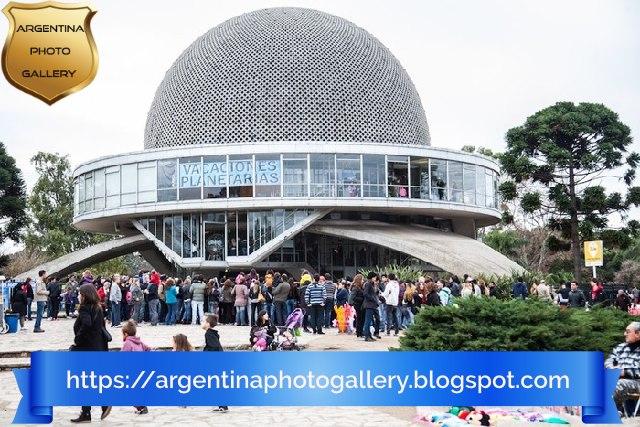
The Galileo Galilei Planetarium was built with the aim of promulgating the dissemination of astronomical science through educational shows for the general public and students.

Discovering art in the dimension of space. Visiting the Planetarium Museum of the City of Buenos Aires "Galileo Galilei".

The Galileo Galilei Planetarium is located at the intersection of Avenida General Sarmiento and Belisario Roldán, within the Tres de Febrero Park, in the Palermo neighborhood, in the city of Buenos Aires, Argentina.

Its dome is 20 m in diameter. On it, 8900 fixed stars, constellations and nebulas can reproduce.
Its first function was carried out in June 1967 and in 2011 it underwent a series of major reforms.
Functions for the blind and the deaf.

The functions for the blind began in June 2001 and are unpublished in Latin America. It is estimated that until 2011, more than 2,500 blind people have enjoyed this experience. With the collaboration of the Argentine Library for the Blind (BAC), tactile celestial maps, relief graphics, a recorded story, music and sound effects are combined.

A large section of the Performance Hall has a magnetic ring to amplify the sound and facilitates the hearing (through the use of hearing aids) of the hearing impaired.

Both types of functions are free and free.

Corner bars, bohemian and evocations.

El Federal is the oldest operating bar and restaurant in the City of Buenos Aires.

A tour of the historic corners of San Telmo, with its past of tango and payadores and its current history preserved.

Located in a traditional corner of San Telmo, this bar that opened its doors in 1864 is worthy of being among the “Notable Bars” since, as if it were a time warp, when visiting it one automatically feels at that time. What hits the most when entering is the bar, crowned by a wooden arch with vitraux details and an inactive clock in the middle.

It retains the original tiles in its floors, and is adorned with elements that emphasize, like few, the true Buenos Aires spirit: the fillets, the old tables, the wooden shelf with its collection of bottles, the cash register of yesteryear, and many others signs that transport us to the past.

Not only the place is traditional; The menu matches the modality perfectly: a Fernet, a Gancia or a craft beer; a sandwich, a tenderloin or a snack, these things well "from here", can be enjoyed at reasonable prices while resting or leafing through a book in the small library.
The residents of Buenos Aires are colloquially known as Portenos, which literally means 'of the port'. Buenos Aires being a port city, it had attracted migrants from around the world, especially during mid 19th century when its population tripled.

Most residents are European descendants. Buenos Aires has the largest Jewish community in Latin America and a significant number of Asian immigrants from China. Portenos are largely Catholic, but a minority of them practice other faith too.

With such a diverse ethnic community, Buenos Aires is home to many other religions like Buddhism, Islam, Judaism and more. Portenos are not unfriendly, just very busy people like locals of any metropolitan.
The famous argentine asado.

Buenos Aires is its people.


hey may take some time to open up, but when they do they are welcoming and hospitable.

Who we are.


We are “porteños,” the people of the port. We have immigrant blood, we are passionate, we give big embraces and we always greet with a kiss.
Buenos Aires is its people, come to discover why we call Buenos Aires “the city of many passions.”.Click to Tweet
Our tables are always crowded with friends, uncles and aunts, cousins, children, brothers and sisters, and we talk – perhaps sometimes argue – for hours. We express our emotions with enviable ease.

We are made of contrasts: between popular culture and sophisticated Culture, between the traditional and the modern, between old religions and modern idols, and our city is full of life and intensity, enriched with stories that are shared and entwined.


Here, we bump into each other in the street then sit for hours over a coffee. Here, we look each other in the eye. Here, the night is a new day, and the city lights up with its hundreds of theatres and thousands of restaurants and bars.

We don’t speak Spanish.


We don’t speak Spanish; we speak porteño, our own unique dialect that is part of the city’s identity.

Here, the taxi drivers are poets and philosophers. Here, a football match is a spectacle everyone must experience at least once.

Here, we'll introduce you to tango and dulce de leche. And we want to meet you, and get to know you. Because here we don’t receive tourists; we make friends.
Read also: Buenos Aires Street Art, discover the best murals in the city.
You may find us a little noisy, but, above all, you’ll find us to be authentic. And here in Buenos Aires, you can be sure about one thing: you'll feel part of the city.

And when you depart, you’ll leave your mark and take something of us with you.


If you liked this article, subscribe to the feed by clicking the image below to keep informed about new contents of the blog:
rss-icon-feed
 
Copyright © 2015 Argentina Photo Gallery
Distributed By Gooyaabi Templates
-->