F

277.-Ruta-40-2a-etapa.png

I already told you about my tour in the first stage through more than 400 kms of Puna in this post.

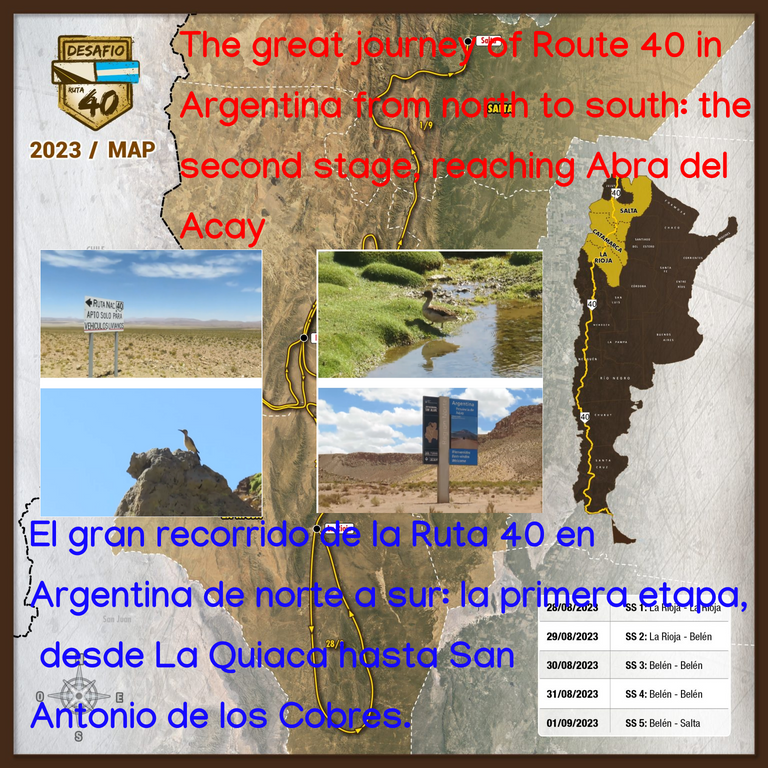
The great journey of Route 40 in Argentina from north to south: the first stage, from La Quiaca to San Antonio de los Cobres.

and of all my illusions when embarking on this journey.

The great journey of Route 40 in Argentina from north to south: before leaving.
I get up early after sleeping in a school and continue my way through the gravel, the dirt and some strange and inconsistent landscapes for most of the people who believe that Route 40 is just dirt and gravel and roads in poor condition.
ruta40.png

Sometimes the adventure happens to observe the beauty that nature offers us and not to suffer the inhospitable conditions of a route.

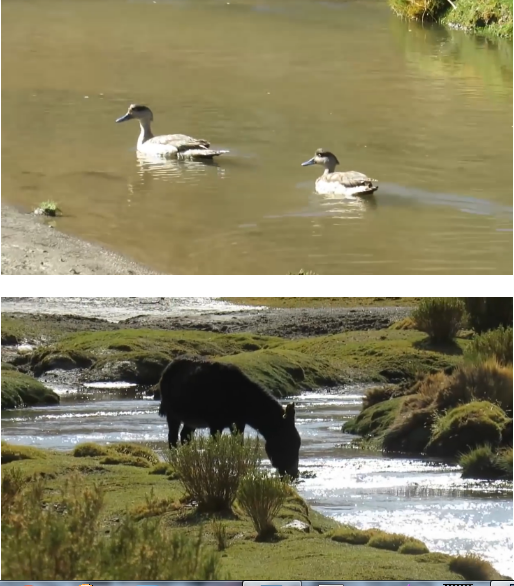
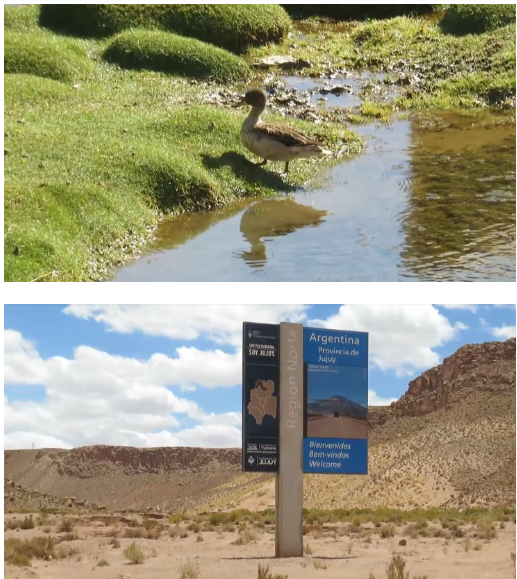
Rivers and lagoons along our route. The water runs and the clouds pass.

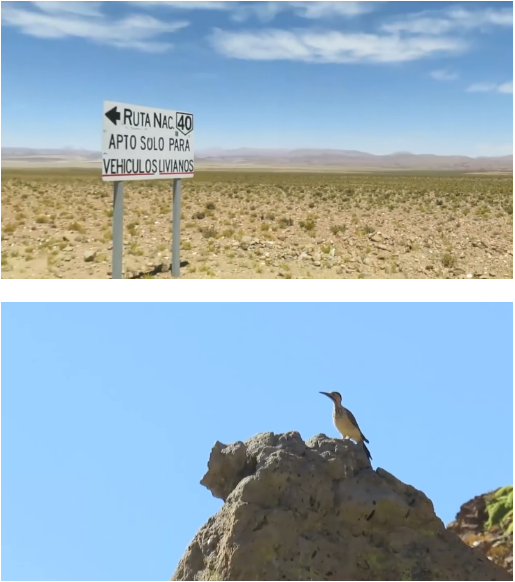
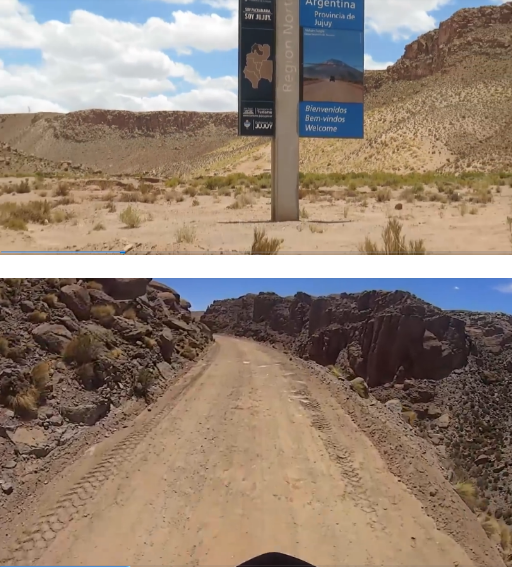
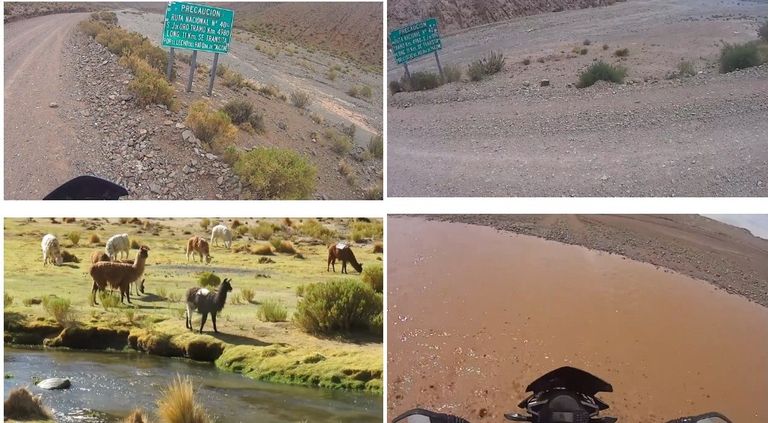
And signs warning that the road is not always advisable for any type of vehicle.

Purple mountains, yellow stones, chestnut grass and birds that curiously observe the passage of travelers.
ruta40-1.png

While others enjoy the disinterested water of the rest of the world.

Very few vehicles in transit. Some shepherd houses and some new friends we make during the trip. The landscape is quite bleak. Lunch and continue.

I fill the tank of the bike and continue.

The ledge path is narrow and dangerous. You have to be very careful. I come to a place of abandoned houses. I try to stay the night but there is a lot of dirt. I get to the police station and they give me a hand allowing me to camp.

My thanks to them. In these places the police perform a different function, more humanitarian if you want. Stripped of those basic principles of her profession that are preventing crime and sometimes excessive repression. Here they are reserved. And when they can help the traveler they do it.

Divider-Line Big Blurt Pink.png

Ya les hablé de mi recorrido en la primera etapa por más de 400 kms de Puna en este post.

El gran recorrido de la Ruta 40 en Argentina de norte a sur: la primera etapa, desde La Quiaca hasta San Antonio de los Cobres.

y de todas mis ilusiones al emprender este viaje.

El gran recorrido de la Ruta 40 en Argentina de norte a sur: antes de partir.

Me levanto temprano después de dormir en una escuela y sigo mi camino entre la grava, la tierra y algunos paisajes extraños e inconsistentes para la mayoría de las personas que creen que la Ruta 40 es solo tierra y grava y caminos en mal estado.
ruta40-2.png

En ocasiones la aventura pasa por observar la belleza que nos ofrece la naturaleza y no sufrir las condiciones inhóspitas de una ruta.

Ríos y lagunas a lo largo de nuestro recorrido. El agua corre y las nubes pasan.

Y señales que advierten que el camino no siempre es aconsejable para cualquier tipo de vehículo.

Montañas moradas, piedras amarillas, pastos castaños y pájaros que observan con curiosidad el paso de los viajeros.
ruta40-3.png

Mientras otros disfrutan del agua desinteresada del resto del mundo.

Muy pocos vehículos en tránsito. Algunas casas de pastores y algunos nuevos amigos que hacemos durante el viaje. El panorama es bastante desolador. Almuerzo y continuación.

Lleno el depósito de la moto y sigo.

El camino de la cornisa es estrecho y peligroso. Tienes que ser muy cuidadoso. Llego a un lugar de casas abandonadas. Intento pasar la noche pero hay mucha suciedad. Llego a la comisaría y me echan una mano permitiéndome acampar.

Mi agradecimiento a ellos. En estos lugares la policía cumple una función diferente, más humanitaria si se quiere. Despojada de esos principios básicos de su profesión que son prevenir la delincuencia y en ocasiones la represión excesiva. Aquí están reservados. Y cuando pueden ayudar al viajero lo hacen.

Crossposting/Posteo cruzado.

Source initial image / Fuente imagen inicial: Ruta 40.
275.-Ruta40-1a-etapa-collage1.jpg

Source: https://blurtlatam.intinte.org/travel/@argenvista/nkmko-the-great-journey-of-route-40-in-argentina-from-north-to-south-the-second-stage-reaching-abra-del-acay-eng-esp

The road to lake Steffen is gorgeous. It runs across lenga (White Oak), coihue, and colihue canes woods, and goes down to the lake that lies between the mountains.

Located 55 kilometers (35 miles) from Bariloche on Route 40 (former 258) heading to El Bolsón. About 20 kilometers (12 miles) further on, after passing by the entrance to Los Alerces waterfall, another entrance to the right shows the way to Steffen lake (following an unpaved road).
Lake Steffen is located within the Nahuel Huapi National Park.

Lake Steffen a heavenly place in a completely natural environment.

Then you reach a fork in the road: one road goes on for about three kilometers (about2 miles) up to a viewpoint where you'll get a panoramic view of lake Steffen and from there you can reach Martín lake.

The other road, quite sharp in some sections, takes you to the lake and campsite located about 10 kilometers (6 miles) further up the road, which is unpaved.
The dominant vegetation is that of a dense forest, with high coihues and lengas.


How to get to Steffen Lake.


The route that connects Bariloche with El Bolsón has many landscapes, lakes and places to visit and one of them is Lake Steffen, which can be accessed by walking a few kilometers from Bariloche.

A paradisiacal place like few for the calm of its waters with little waves and the environment that the mirror of water still maintains its natural profile, make Lake Steffen one of the recommended sites in its passage through Patagonia.

Across the Manso River, the lake belongs to the Pacific Ocean basin, like several other lakes in southern Argentina.

An unchanged natural environment.


It is not a massively visited place, so its landscapes remain almost untouched and it is located within the Nahuel Huapi National Park, in a region where the Andean Patagonian forest remains intact, without degradation due to cultivation, urbanization or fires.

The dominant vegetation is that of a dense forest, with high coihues and lengas, and with a moderate presence of aquatic vegetation on the banks of the lake, which is sandwiched and framed between high ravines.


Sport fishing.


In addition, those who visit the site will be able to practice sport fishing and obtain a large number of salmonids, since when they are part of the Manso river basin, large trout arrive at the lake.

Due to its beauty, Lake Steffen is one of the sections of the Patagonian Huella Andina trail, which has an extension of more than 500 km and connects Esquel (Chubut) with Aluminé (Neuquén).

Papyrus_PNG_Clipart_Image-1000x737.png
Honestly, anyone who already knows me is well aware of the fact that I love all things food-related. I enjoy cooking, and I enjoy the fruits of my labor even more, as evidenced by my ample waistline. But my interest in food is not limited to its consumption.

I take pleasure in reading and trying out recipes, learning new cooking techniques and discovering great places to dine out. I even belonged to a cooking club when I lived in Philadelphia (hello ladies!).
The term chipa or chipá or chipa avatí indicates various types of bread or savory pie, all based on cassava or corn flour.

How to make homemade chipá: the best cheese bread recipe step by step.

Before I left for Argentina, I promised my cooking club compatriots as well as other interested foodies that I would post recipes on my blog from time to time. So here I present to you the first recipe card for the file: chipá.

Chipá is a type of cheese bread most commonly prepared in the northern provinces of Argentina and Paraguay. The word "chipá" comes from Guaraní, the language of an indigenous group of the same name based in this region. I found an excellent description of these tasty rolls on the food blog The Traveler's Lunchbox:
"...these little breads are fundamentally different from the majority of cheese-bready things around the world in that they are naturally and completely gluten-free.... They're made entirely with tapioca starch (the fine, white powder extracted from cassava roots), which gives them a texture quite unlike anything else."

In Paraguay there is 70 almene diverse varianti di chipa.

In northern Argentina and Paraguay, where the cheesy little rolls enjoy enormous popularity, vendors called chiperos walk the streets with large baskets of chipá for sale. The cries of the chipero are a familiar sound in these parts, and people flock to him to buy chipá to accompany their breakfast or as an afternoon snack.
The most frequent variant is prepared with cassava starch, milk, cheese, eggs and butter.
Daniel's stepdad Tomás is a truck driver, and many years ago he was sent to make a delivery to the city of Clorinda, located in the Argentine province of Formosa just a stone's throw from Paraguay.
Read also: Classic and Easy Argentinean Recipes for Easter: Delicious Spinach Fritters.
Close to his final destination but feeling drowsy, Tomás stopped and parked his truck to get a little shut-eye. At roughly 3am he was awakened by the sound of someone knocking on the door of his truck. Slightly alarmed, he got up and peered out the window only to be met by the weathered but smiling face of a vendor asking, "¿Chipáaaa, señor?" I'll let you imagine what Tomás' response to that question was at 3am.

The recipe step by step.


This recipe for chipá has been adapted from my friend Gabriel's blog, Live from Waterloo.

Ingredients.


4 cups tapioca flour
2 teaspoons salt
3 eggs, lightly beaten
1 stick butter, melted
3 cups shredded gouda or jack cheese [or the Argentine cheese pategrás]
1/3 cup grated parmesan cheese
milk, as needed [approx. ¾  to 1 cup]

Preparation.


Mix the tapioca flour and salt in a bowl, and make a well in the center. Add the eggs and melted butter. Mix thoroughly to incorporate. Add the cheeses and then gradually add milk as needed, until the dough begins to pull away from the sides of the bowl. Knead lightly to fully incorporate the ingredients. Let the dough rest in the refrigerator for 20 minutes, covered with a dish towel or plastic wrap.

Form the dough into balls about 1½ to 2 inches in diameter. Bake at 400ºF for approximately 20 minutes, or until the dough has puffed and the cheese bits have browned.

Chipá are best enjoyed straight from the oven, as they tend to harden as they cool.

Papyrus_PNG_Clipart_Image-1000x737.png
 
Copyright © 2015 Argentina Photo Gallery
Distributed By Gooyaabi Templates
-->