F

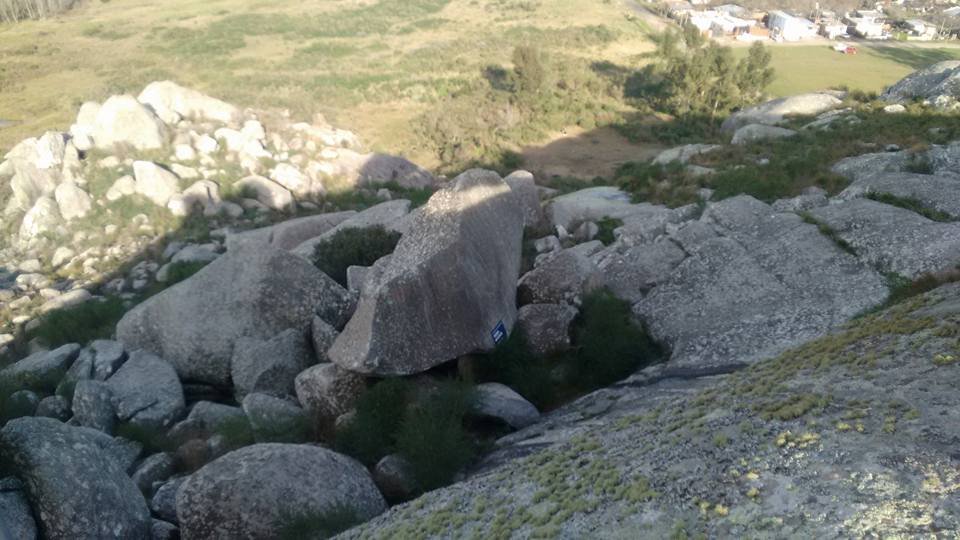
I want to share with you my traveling dream, which is to know at least one place in each province of my country Argentina. Today I’m going to tell you a little about a trip I made in the province where I live: Buenos Aires. This trip was to the city of Tandil and I visited the "Moving Stone".


This city is 200 miles away from my home and I must say that I was unaware of the existence of this stone until I was there and saw it with my own eyes. It is a 300-ton stone that was on the edge of a hill ... balancing! Finally in 1912 it fell but a replica was placed to show how it had been supported before the fall. Nature and its occurrences!
To get to the stone we had to walk quite a bit uphill. At that time I was in good physical condition!

 

tandil1.jpg tandil3.jpg


Buenos Aires is the capital province of Argentina and the city of La Plata is the capital of this province. However, the Ciudad Autónoma de Buenos Aires (CABA) is the most "touristy" area and there is a greater movement of people. If you ever come as tourists, you’re more likely to end up staying in CABA than in the city of La Plata... Keep that in mind.
The most characteristic monument of the Ciudad Autónoma de Buenos Aires is the obelisk. If you come, don't forget to have your picture taken there!


bsaskiara.jpg

Both La Plata city and the Ciudad Autónoma are 20 miles away from my home and they have a lot of beautiful places that I have visited. I did countless rides using only public transport. I also visited several beaches on the Buenos Aires coast, during the summer and winter for the typical vacations… I know quite a few places in this province because… I live in it!

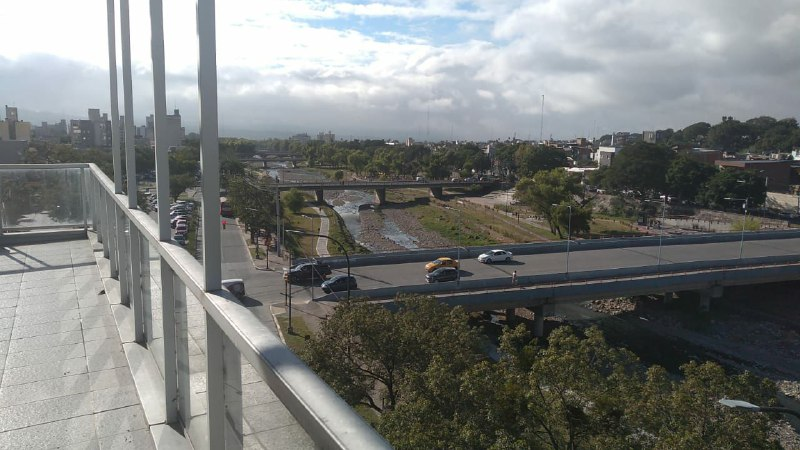
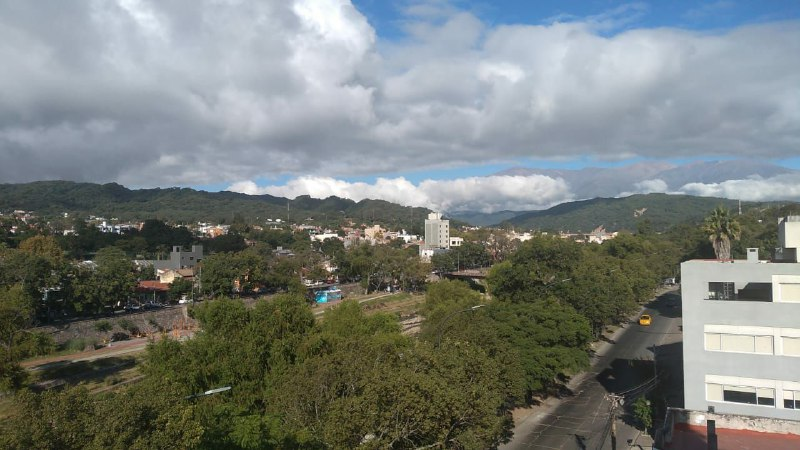
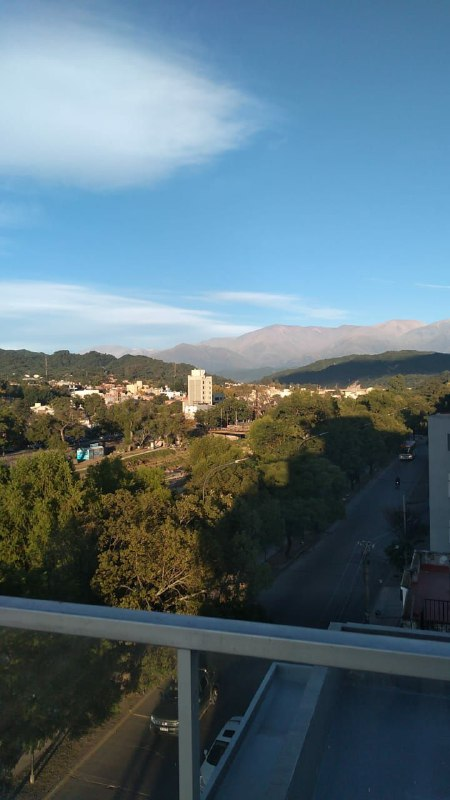
Hello everyone, on this occasion I want to share with you all the memory of a beautiful trip through the province of Córdoba, ARGENTINA, as you can see from where I was Hera the 6th. of an apartment building, this photo we see is at dawn, and on the horizon you can see the hills and mountains, with the tops of the white clouds, thus revealing a beautiful landscape.

image.png

With the sun now rising, from this distance and height you can see this river, called the Cosquín River. It is a fast-flowing river that runs right through the city, located in a valley called the Punillas Valley. Over it, there are several bridges like the ones you can see.

image.png

image.png

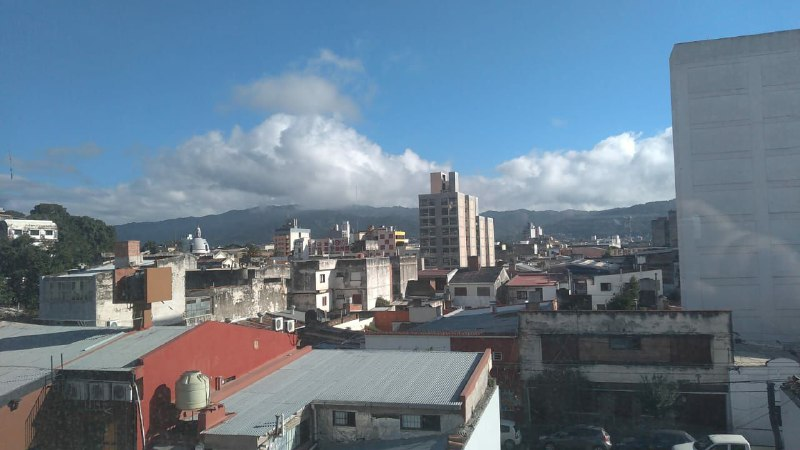
Friends, in this other photo we see a building on the horizon, further back the mountains, as if they were covered with a blanket, THE CLOUDS - hahaha, personally it's my imagination.

image.png

image.png

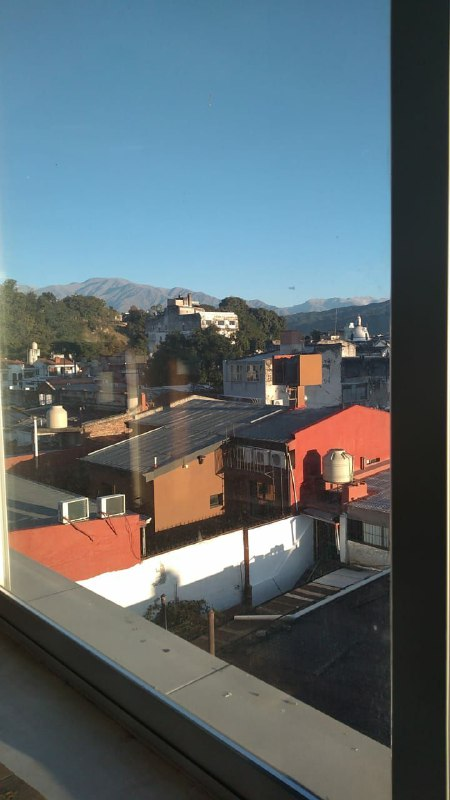
The truth is, friends, this is an excellent place to enjoy a few days with the family. For example, this photo is from another angle, where part of the plateaus come together and in the background on the horizon another mountain, leaving and illustrating what MOTHER NATURE reflects and exhibits, which is the greatest creation of our LORD GOD.

image.png

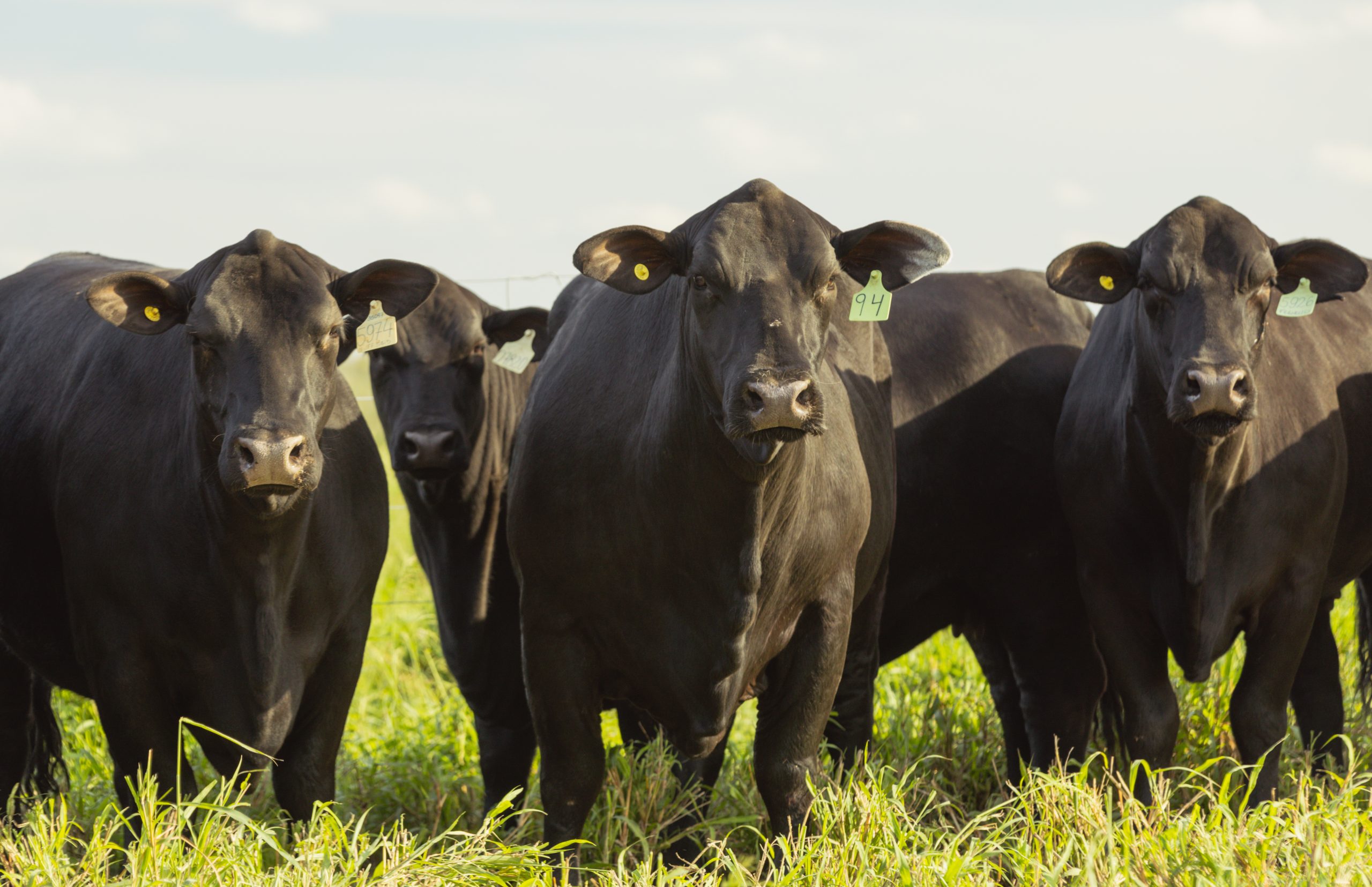
The livestock sector in Argentina is a fundamental economic activity, especially beef production, which is of great importance for both domestic consumption and exports. This sector, rooted in Argentine tradition, generates employment, boosts regional economies, and contributes to national value-added.
Economic and Social Importance:
Job Creation:
The livestock sector, including the meat and dairy chains, generates a significant number of jobs in Argentina. In 2023, the Argentine meat and dairy chains are estimated to have created more than 887,000 jobs, according to Ruralnet.
Boost to Regional Economies:
Livestock farming has a positive impact on various regions of the country, boosting local economies and contributing to rural development.


Contribution to National Value-Added:
The livestock sector generates value through primary production and the industrialization and marketing stages of products such as meat, milk, and their derivatives.
Challenges and Opportunities:
Droughts:
Adverse weather conditions, such as droughts, can affect the availability of forage and water, impacting livestock production and increasing pressure on producers.
Sustainability:
The pursuit of more sustainable livestock farming is a major challenge, considering aspects such as deforestation and environmental impact.
International Markets:
External demand for Argentine meat remains strong, although the global economic situation may influence export volumes.
Development of Production Chains:
Diversification and the development of new production chains, such as pork and poultry, are important to strengthen the sector and take advantage of new opportunities.
Competitiveness:
The sector's competitiveness depends on production efficiency, product quality, and the ability to adapt to market demands.
In summary, livestock farming in Argentina is a key sector with great potential, but it also faces significant challenges that require attention and strategies to ensure its sustainable and competitive development.

 
Copyright © 2015 Argentina Photo Gallery
Distributed By Gooyaabi Templates
-->