The Intihuasi Caves are located in the Coronel Pringles Department integrating the Comechingones mountain system.
The importance of this location helps us to understand the culture of Ayampintín, because it is located between the agro-pottery cultures of the Northwest and those of hunters of the Pampa-Patagonia.
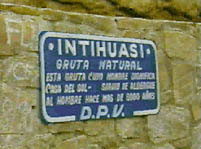
Lnti huasi means in Quechua "house of the sun".
A large arcade served as a defense against the summer sun and the winter rains .

This arcade being the driest and most luminous place of the whole cavern, should have been the meeting place of the inhabitants who had settled it in the different times.
The man came to these places when temperatures had reached such extremes that they generated a process of desertification and the Lakes Basin was greatly diminished.
The INTI HUASI disappeared to reappear 300 years later, in 5,900 BC , when the region had acquired its current physiognomy, to dedicate itself to the hunting and harvesting of fruits, such as those of the algarrobo.
From that moment, the life in the territory puntano was transformed and was reduced to the margins of the Sierras de San Luis.




The importance of this location helps us to understand the culture of Ayampintín, because it is located between the agro-pottery cultures of the Northwest and those of hunters of the Pampa-Patagonia.
Lnti huasi means in Quechua "house of the sun".
A large arcade served as a defense against the summer sun and the winter rains .
This arcade being the driest and most luminous place of the whole cavern, should have been the meeting place of the inhabitants who had settled it in the different times.
The man came to these places when temperatures had reached such extremes that they generated a process of desertification and the Lakes Basin was greatly diminished.
The INTI HUASI disappeared to reappear 300 years later, in 5,900 BC , when the region had acquired its current physiognomy, to dedicate itself to the hunting and harvesting of fruits, such as those of the algarrobo.
From that moment, the life in the territory puntano was transformed and was reduced to the margins of the Sierras de San Luis.


Read also: Guide of spas and streams in Merlo, Sun and beautiful landscapes.


If you liked this article, subscribe to the feed by clicking the image below to keep informed about new contents of the blog: