
Fauna and flora of the Malvinas Islands
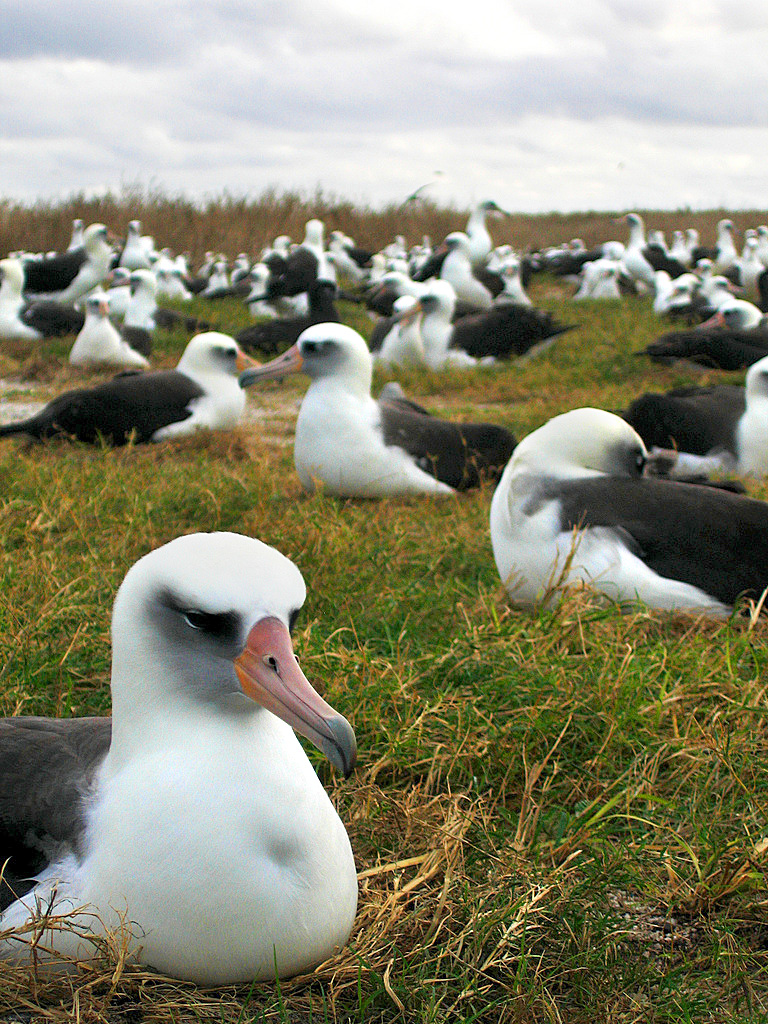
The Malvinas Islands (Falklands) host a unique ecosystem shaped by their cold, windy climate and isolation. The fauna is dominated by marine mammals and seabirds, while the flora consists mainly of grasses, shrubs, and peat bog vegetation, with no native trees.
Flora of the Malvinas Islands
-
Grasslands and Shrubs: The islands are largely covered by tussac grass (Festuca flabellata), which can grow up to 2 meters tall and provides shelter for birds and sea lions.
-
Peat Bogs: Extensive peatlands support mosses and small herbaceous plants.
-
Heathlands: Areas with dwarf shrubs and hardy plants adapted to poor soils and strong winds.
-
Endemic Plants: Species such as Malvinas Daisy (Perezia recurvata) and Malvinas Violet (Viola maculata) are unique to the islands.
-
Absence of Native Trees: No native arboreal vegetation exists today, though fossil records show ancient cypress and araucaria forests.
Fauna of the Malvinas Islands
Marine Mammals
-
Seals and Sea Lions: Southern sea lions, elephant seals, and fur seals are common along the coasts.
-
Cetaceans: Orcas, dolphins, and several whale species migrate through surrounding waters.
Birds
-
Penguins: Five species breed here: King, Gentoo, Rockhopper, Macaroni, and Magellanic penguins.
-
Seabirds: Albatrosses, petrels, cormorants, and skuas thrive in the nutrient-rich waters.
-
Land Birds: The Falkland steamer duck (flightless), upland goose, and the endemic Cobb’s wren are notable.
Invertebrates
-
Endemic Beetles: Several species of ground beetles and weevils are unique to the islands, such as Malvinius compressiventris.
Conservation Notes
-
Fragile Ecosystem: The harsh climate limits biodiversity, making species highly specialized and vulnerable.
-
Threats: Introduced species (rats, cats) have impacted native bird populations.
-
Protection Efforts: Conservation programs focus on seabird colonies and restoring tussac grass habitats.
Quick Comparison Table
Category
Key Species/Features
Notes
Flora
Tussac grass, peat bog mosses, endemic daisies
No native trees; vegetation adapted to wind/cold
Marine Mammals
Sea lions, elephant seals, dolphins, whales
Coastal and migratory presence
Birds
Penguins (5 species), albatrosses, Cobb’s wren
Major global seabird colonies
Invertebrates
Endemic beetles, weevils
High endemism despite low diversity
In short: the Malvinas Islands are a haven for seabirds and marine mammals, with vegetation dominated by tussac grass and peat bogs. Their isolation has fostered unique endemic species, but conservation is crucial to protect this fragile ecosystem.
I hope you enjoyed this book. If you have any questions, or want to supplement this post, please write in the comments area. You can also visit Facebook, Twitter, Linkedin, Instagram, Pinterest and Feedly where you'll find further information in this blog. SHARE THIS!



0 comments:
Post a Comment
Do not insert clickable links or your comment will be deleted. Check the Notify me notifications to be notified via email of new comments. If I helped you with the post or with the answers to the comments, share on Facebook or Twitter. Thank you.