F
Showing posts with label Fauna. Show all posts

The Malvinas Islands (Falklands) host a unique ecosystem shaped by their cold, windy climate and isolation. The fauna is dominated by marine mammals and seabirds, while the flora consists mainly of grasses, shrubs, and peat bog vegetation, with no native trees.

Flora of the Malvinas Islands

  • Grasslands and Shrubs: The islands are largely covered by tussac grass (Festuca flabellata), which can grow up to 2 meters tall and provides shelter for birds and sea lions.

  • Peat Bogs: Extensive peatlands support mosses and small herbaceous plants.

  • Heathlands: Areas with dwarf shrubs and hardy plants adapted to poor soils and strong winds.

  • Endemic Plants: Species such as Malvinas Daisy (Perezia recurvata) and Malvinas Violet (Viola maculata) are unique to the islands.

  • Absence of Native Trees: No native arboreal vegetation exists today, though fossil records show ancient cypress and araucaria forests.

Fauna of the Malvinas Islands

Marine Mammals
  • Seals and Sea Lions: Southern sea lions, elephant seals, and fur seals are common along the coasts.

  • Cetaceans: Orcas, dolphins, and several whale species migrate through surrounding waters.

Birds
  • Penguins: Five species breed here: King, Gentoo, Rockhopper, Macaroni, and Magellanic penguins.

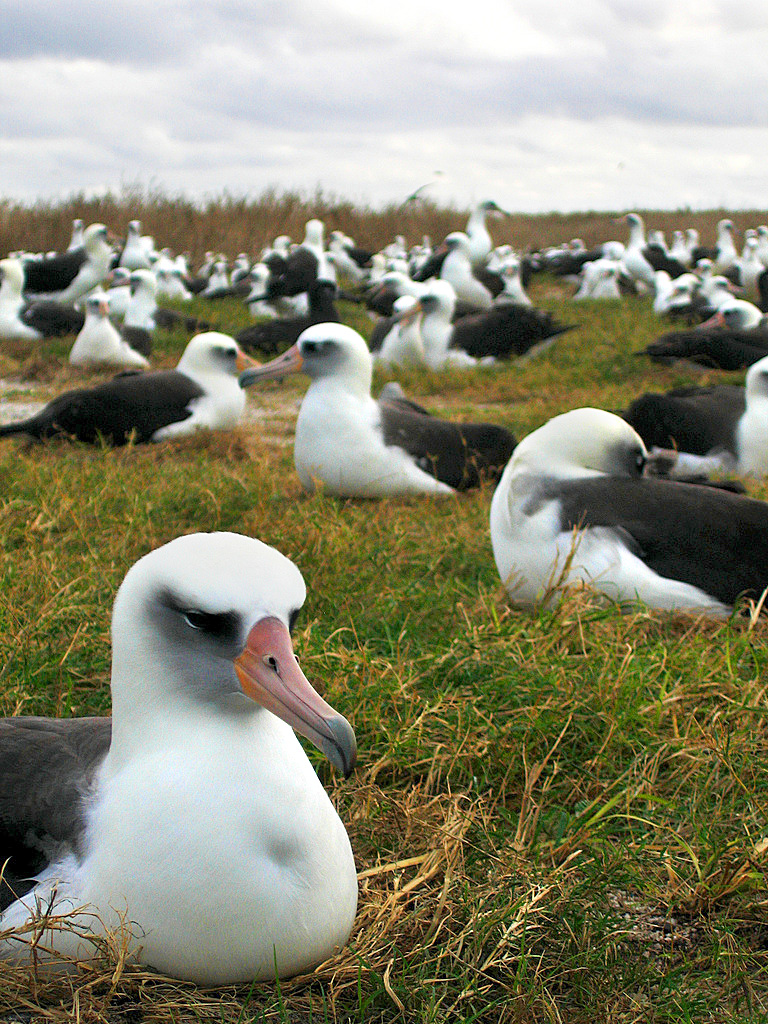
  • Seabirds: Albatrosses, petrels, cormorants, and skuas thrive in the nutrient-rich waters.

  • Land Birds: The Falkland steamer duck (flightless), upland goose, and the endemic Cobb’s wren are notable.

Invertebrates
  • Endemic Beetles: Several species of ground beetles and weevils are unique to the islands, such as Malvinius compressiventris.

Conservation Notes

  • Fragile Ecosystem: The harsh climate limits biodiversity, making species highly specialized and vulnerable.

  • Threats: Introduced species (rats, cats) have impacted native bird populations.

  • Protection Efforts: Conservation programs focus on seabird colonies and restoring tussac grass habitats.

Quick Comparison Table

Category
Key Species/Features
Notes

Flora
Tussac grass, peat bog mosses, endemic daisies
No native trees; vegetation adapted to wind/cold

Marine Mammals
Sea lions, elephant seals, dolphins, whales
Coastal and migratory presence

Birds
Penguins (5 species), albatrosses, Cobb’s wren
Major global seabird colonies

Invertebrates
Endemic beetles, weevils
High endemism despite low diversity

In short: the Malvinas Islands are a haven for seabirds and marine mammals, with vegetation dominated by tussac grass and peat bogs. Their isolation has fostered unique endemic species, but conservation is crucial to protect this fragile ecosystem.
In southern Argentina, the country that includes the climates of six continents, there is a planet: Patagonia.

Fuente

Lakes as big as seas, glaciers unique in the world, mountains covered with forests and perennial snows, huge windy and semi-desert expanses, the southernmost city in the world and waters of oceans that eternally confront each other, find each other, fight and amalgamate: this is this huge triangle of land where America ends.

Peninsula Valdes a naturalistic microcosm of incalculable ecological value.

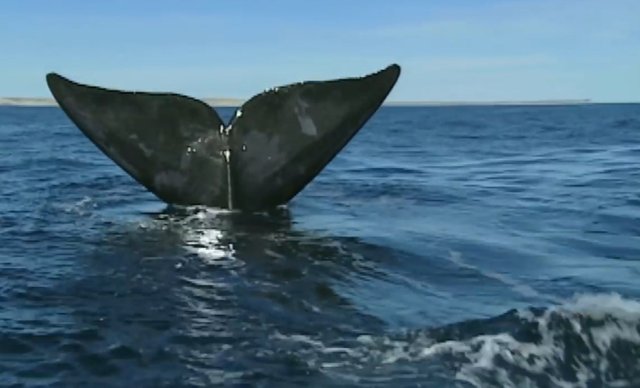
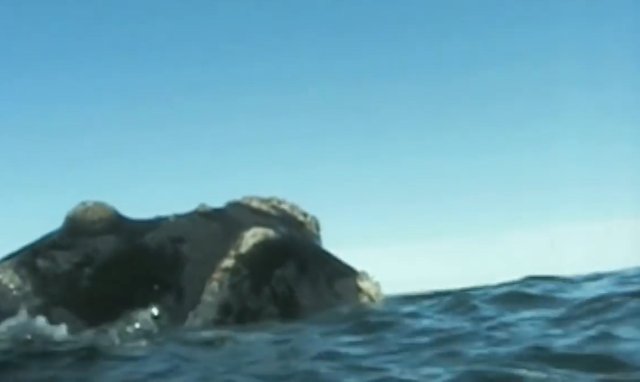
In these coasts a naturalistic microcosm of incalculable ecological value, the Valdes Peninsula , projects its beaches towards the open sea where, an imaginary border between the Antarctic waters and the South Atlantic, the right whale arrives at the beginning of the austral winter (May ) and reaches the Gulf of San Josè and partly the Golfo Nuevo to perpetuate its species in an almost uncontaminated natural area and where the observer can interpret, enjoy or study these giant mammals, but always learn to respect them if not to love them. .

Belonging to the cetacean family, whose first fossils found date back to the Eocene period that began about 55 million years ago, there are currently 11 species of whales.

Eurobalena australis (from the Greek "eu" which means true, and australis, from the Latin "south") has a curved body, it has no dorsal fin.

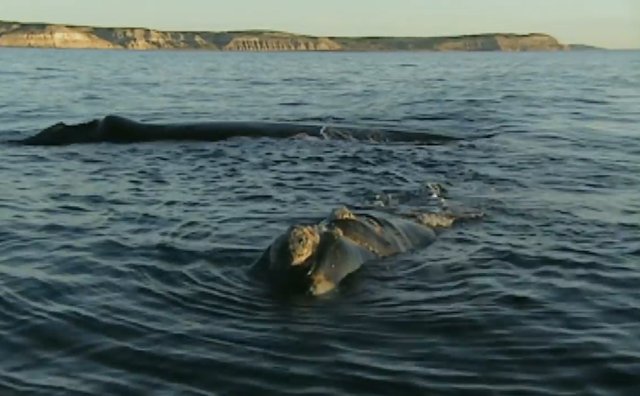
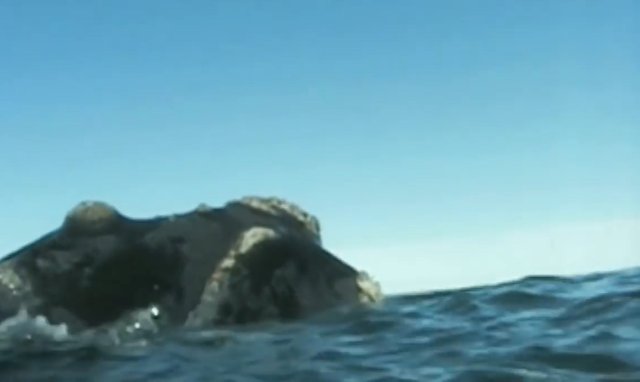
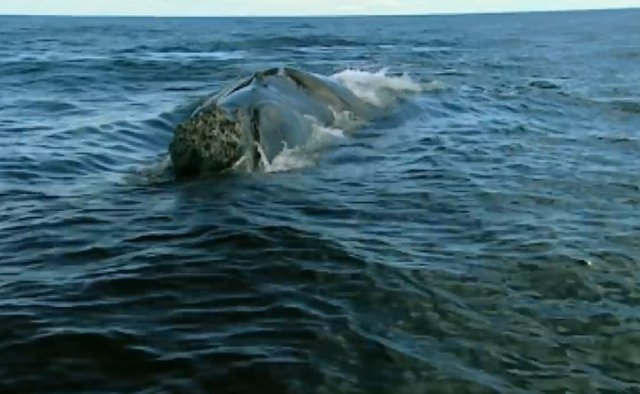
The head occupies 25% of the total body and is covered in some points of keratinous callosities generated by the skin, where parasites are usually found. The breath coming out of two vents drawing a "V" shaped spray in the area is usually about 5m high. The left side is higher than the right.

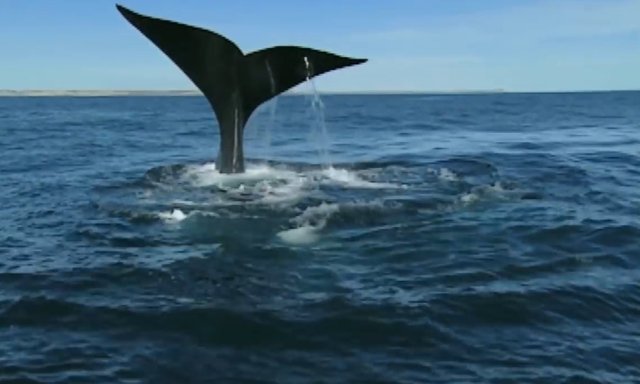
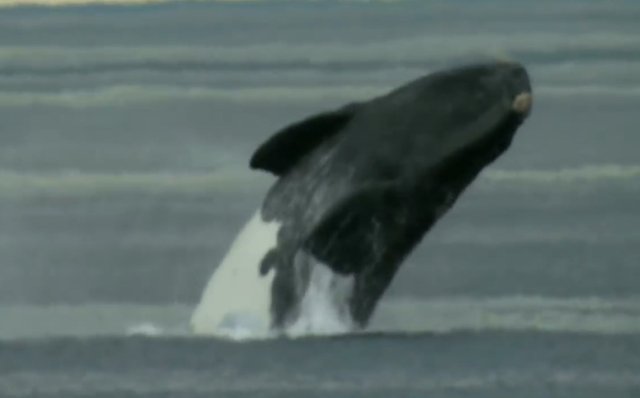
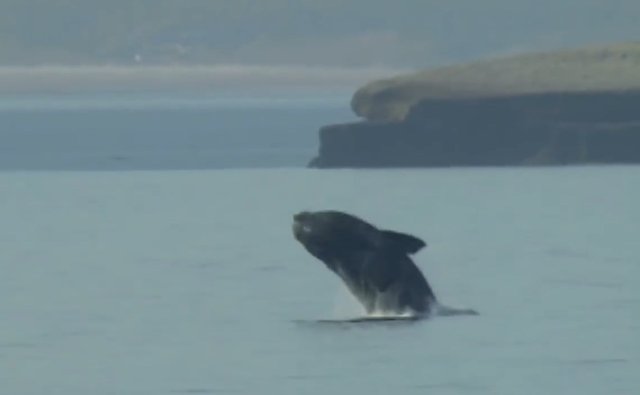
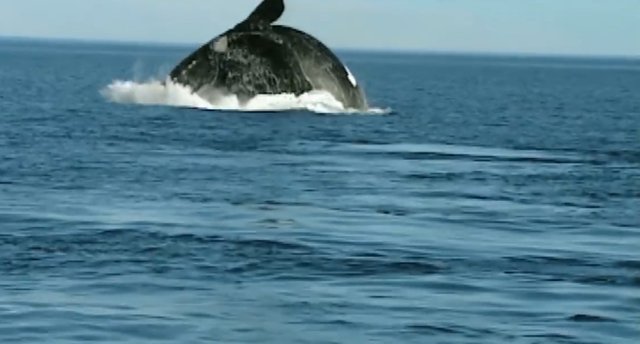
Whales generally jump up to ten or more times in a row. When they hit the water, the roar can be heard from great distances.

Females at 3 or 4 years old, when they reach sexual maturity, reach 13 meters in length; males are slightly shorter. The maximum length observed in specimens in the Valdes Peninsula is 16 meters for females and 15 for males.

The newborn babies are 5 and a half meters long and during the first months of life they grow 35 millimeters per day, up to a maximum weight of about 30 or 40 tons.

The jaw bone forms a curve from which come out between 230 and 380 horny beards (the baleen).
Each plate is about 2.40 m long and consists of a short, hard hair. These plates are used to filter foods.

The whale opens its mouth by swimming towards the food, composed mainly of small plankton crustaceans, fills its mouth and closes it by pushing the tongue towards the palate in order to generate an internal pressure that causes the liquid to escape through the baleen that hold the solid part.

The migration of the right whales.

Although the Valdés Peninsula is not the feeding area of ​​this species, some activities of this type can be recorded at the end of the season (October / November), before the migration to the real feeding areas begins, to this day. not yet known with total certainty.

The gestation is 12 months and the lactation period also. A whale breeds every three years. The males, in proportion, have the largest testicles of all mammals (about 500 kg. Each).
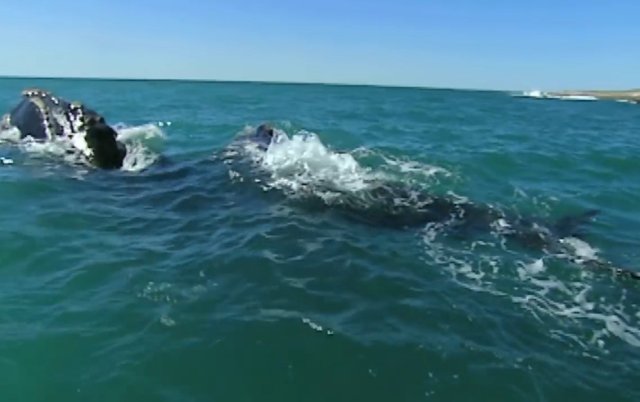
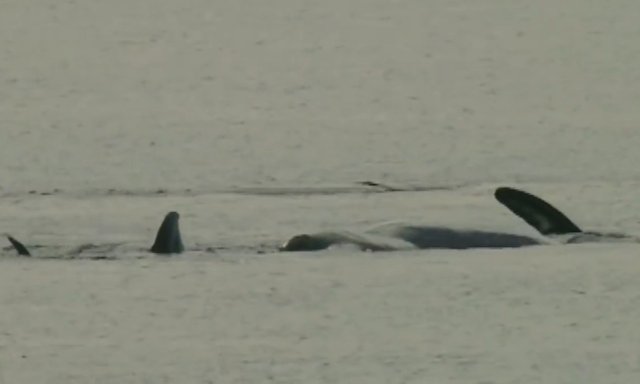
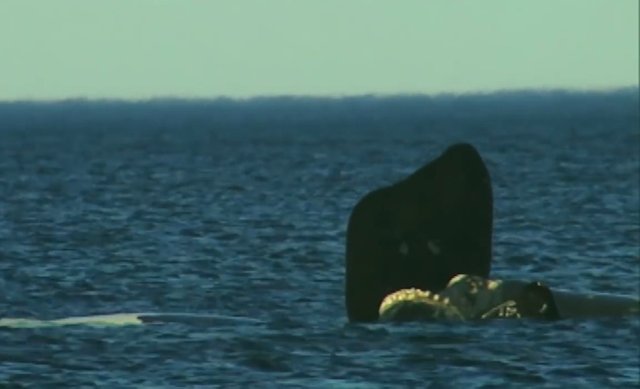
Mating occurs belly to belly. Females who do not wish to mate go belly up, but males, sometimes in groups, try to turn them around.

Reproductive females return to the Valdes Peninsula area at three-year intervals, while adult males tend to return annually.

Since 1972, studies on sound, ethology and individual identification have been carried out.

Scholars use the characteristic white protuberances (calluses), whose shapes are different in each whale, like our fingerprints.

More than 22% of the world's whale population is arriving.

With this method it has been estimated that the population of the southern right whale visiting the Valdés Peninsula exceeds 600 specimens, which represents 22% of the world population.

In Patagonia, in the province of Chubut, in the Valdès Peninsula, in the locality of Puerto Peràmides, between the months of May and December, the opportunity is offered to spot the southern right whale and to get excited when one anticipates the meeting from a distance. Seeing a whale with its whale is an unusual and unforgettable sight.

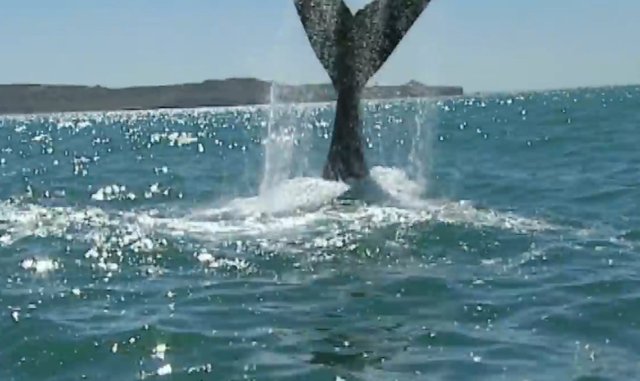
They represent the great attraction of the Valdès Peninsula where they reach the coast showing themselves in evolutions and jumps that would be said to be worthy of a classical ballet despite the size and enormous weight of the "dancers".

Six specialized companies with safe and comfortable boats carry out the sightseeing tour which lasts about an hour depending on the proximity to the whale coast. The boats approach at a prudent distance and sometimes the whales pass under the boat. Tourists thus take the opportunity to photograph them as the transparency of the ocean waters allow it.

In this context, it should be noted that the months from May to December represent the season of love for the magnificent cetaceans that populate the Patagonian seas, but it is always the season of love for nature for the Argentines who, with a great ecological spirit, they declared them a "Natural Monument".

It is one of the little explored places in the country, but it is worth knowing. The new park, of 128 thousand hectares, now represents the largest reserve in northern Argentina.

It is very difficult to find a degree of biodiversity as pure as that seen in El Impenetrable National Park.

The national park is part of what Estancia La Fidelidad used to be and extends between the provinces of Chaco and Formosa, covering an area of ​​250,000 hectares, divided by the Bermejo river.

The origin of its name lies in the difficulty of entering the area. Nature is diverse.

Lush forests. Ancient trees and mammals of exuberant beauty form the recent El Impenetrable National Park, the largest in northern Argentina.
Its 128,000 hectares make it the largest national park in northern Argentina.

The Impenetrable is a must-see for lovers of hiking and nature.

Under the premise of preserving the Chaco forest and the diverse species of flora and fauna that inhabit it, National Parks protects its 130,000 hectares from times prior to its creation, in 2017.

Why should we know this place?

The Impenetrable today constitutes one of the few, best preserved and largest green lungs in Latin America.
For many years, the site was used as a sports hunting ground. Domestic animals, indiscriminate logging and hunting put their biodiversity and ecological sustainability in check, causing the extinction of many species and the decrease of others, such as the jaguar, anteater, tapir and crowned eagle, among others.

Entering the park implies observing the life of the forest and the interaction between its inhabitants, as well as finding out about the importance of its preservation, both for the species and for the health of the planet.

Location.

The Impenetrable is located within the Gran Chaco ecoregion, which also extends to the Northwest of Córdoba and in the countries of Bolivia and Paraguay.
It is the third largest forest area in South America, after the Amazon and the Cerrado, in Brazil.
The brand new National Park protects the last redoubt of virgin forest, the third in importance in South America.
Tourist promotion of the park is presented as an alternative to traditional economic activities in the area. An example is the replacement of livestock with the sustainable creation of non-wood products, such as bush honey, carob flour and crafts in chaguar.
It is very clear that preserving and producing is possible.

The National Parks constitute the most important protected natural areas in Argentina.

They conserve biodiversity and ecosystems; they protect paleontological and archaeological sites; they promote environmental education, scientific research and nature tourism.
We start touring the El Impenetrable National Park.

Fauna.

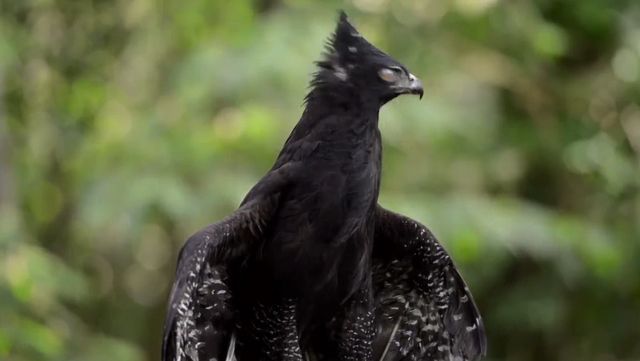
The Impenetrable, thanks to its recovery, became the ideal habitat for many critically endangered species and others threatened with extinction, such as the yaguareté, the carreta tatú, three types of peccaries, the anteater, the crowned eagle and the boa rainbow.
The yarará is a poisonous snake native to South America.
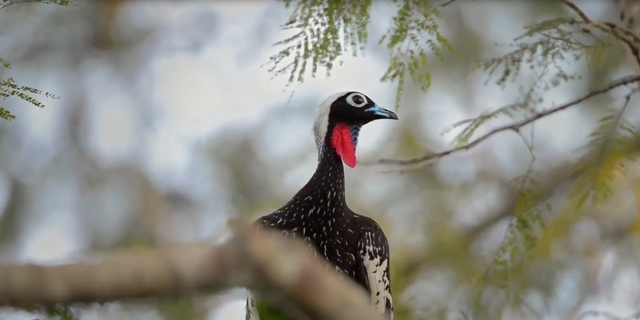
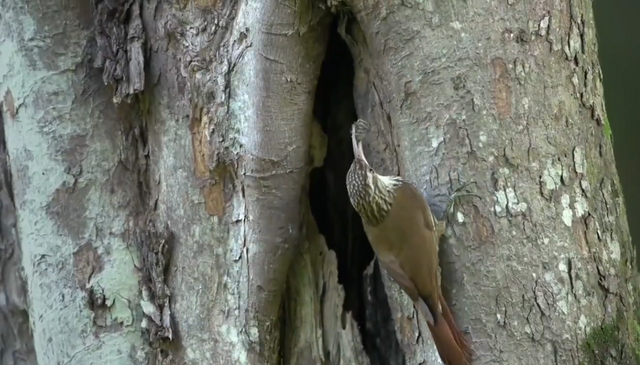
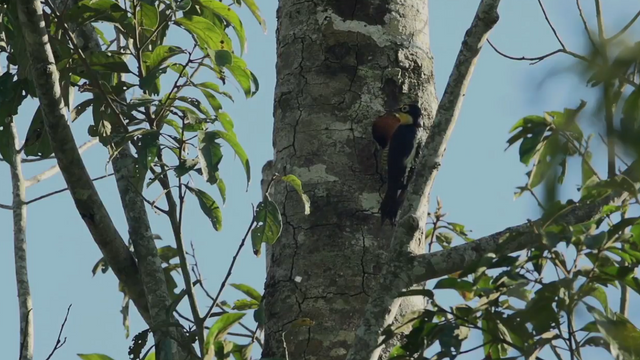
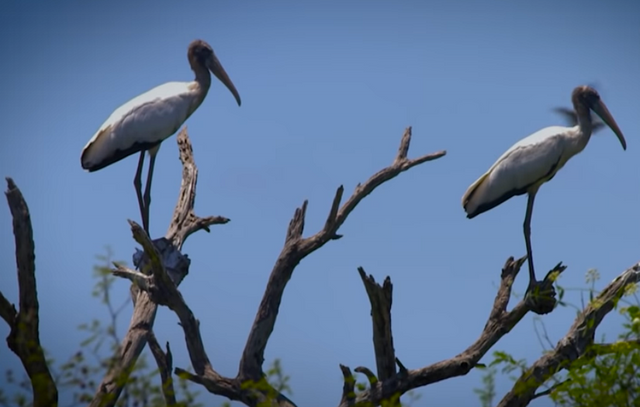
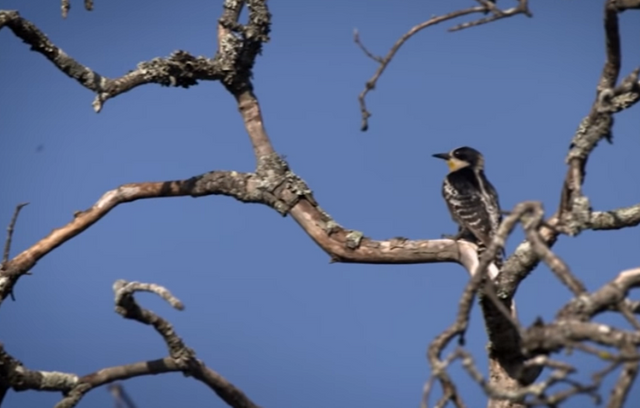
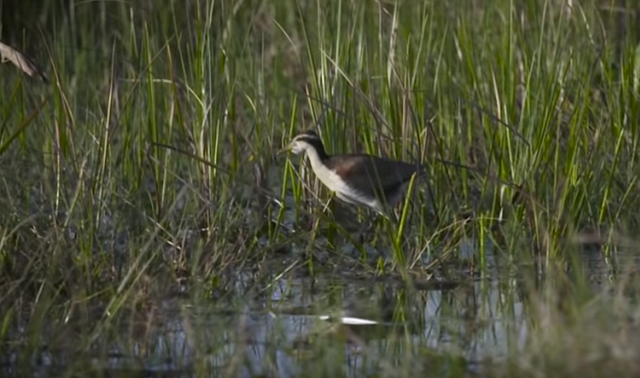
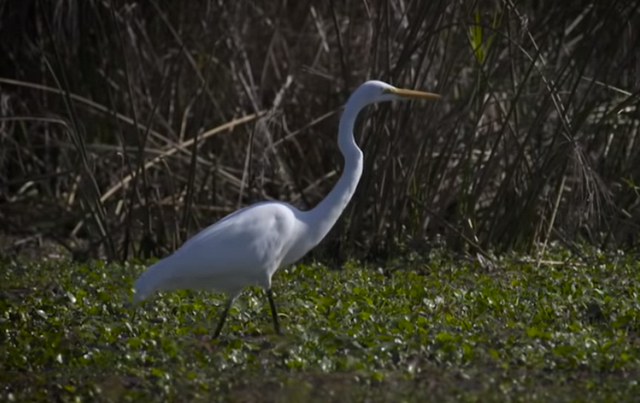
The high biodiversity and native forest of this nature reserve, which is in a very good state of conservation, is home to hundreds of species of birds, including the yabiré, the talking parrot, the black woodpecker, the charata, the rayador and the espinero fron reddish.
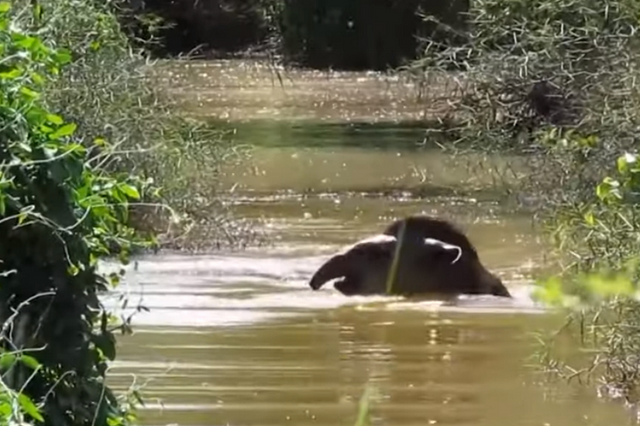
The Impenetrable houses endangered fauna such as the jaguar, the anteater, the tapir.

Flora.

In the El Impenetrable National Park there are carob forests. The quebrachos white and red from Santiago stand out.

Other species of the tree canopy are the palo santo, mistol, viraró, itín, moradillo, saucillo, molle, talas, chañar, Capparis, the drunk palo de flor blanca or yuchán and large cactus.
A specimen of drunk stick round tree top and beautiful flowers.
The albardones that border the Bermejo river abound with forests of river alder, Creole willow, and yellowwood. Somewhat farther from the river there are examples of soap stick and stone stick.
The carob tree is the most widespread tree in El Impenetrable and the most subject to illegal logging.
The quimilero peccary is the largest in the country and an exclusive species in the Chaco region that is in serious danger of extinction, mainly due to hunting and the disappearance of its habitat.
The Chaco land tortoise inhabits semi-arid chaco forests.
The Chaco region is the second largest block of forests in South America after the best-known Amazon region.
Snakes, tapirs, peccaries, corzuelas (fawns), rheas and all kinds of animals walk in herds still elusive
The trips to the center of the Argentine jungle were the inspiration for the famous storyteller Horacio Quiroga to write his successful anthology "Tales from the jungle", a work that realistically shows the variety of animals that populate the impenetrable missionary and Chaco forest.
There are around 40 national parks, and there are hundreds of protected properties, at least in theory, under provincial, municipal and even privately managed jurisdictions.

In southern Argentina, the country that includes the climates of the six continents, there is a planet: Patagonia

Lakes as big as seas, unique glaciers in the world, mountains covered with forests and perennial snow, huge windy and semi-desert expanses, the southernmost city in the world and waters of oceans that face eternally, meet, fight and mix: here it is this huge triangle of land where America ends.

Valdés Peninsula, a naturalistic microcosm of incalculable ecological value.

02.-Whales in Patagonia.jpg

On these coasts, a naturalistic microcosm of incalculable ecological value, the Valdés peninsula, projects its beaches towards the open sea, where, imaginary border between the Antarctic waters and the South Atlantic, the right whale arrives at the beginning of the southern winter (May ) and reaches the Gulf of San José and, in part, the New Gulf to perpetuate its species in an almost uncontaminated natural area and where the observer can interpret, enjoy or study these giant mammals, but always learns to respect them if not to love them.

Whales in Patagonia, a whole show of nature.

02.-Whales in Patagonia-0.jpg

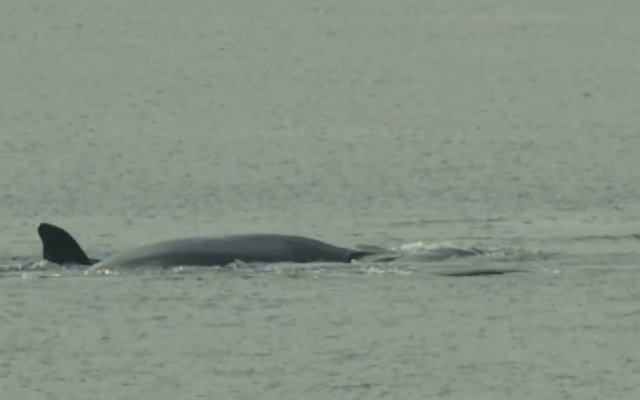
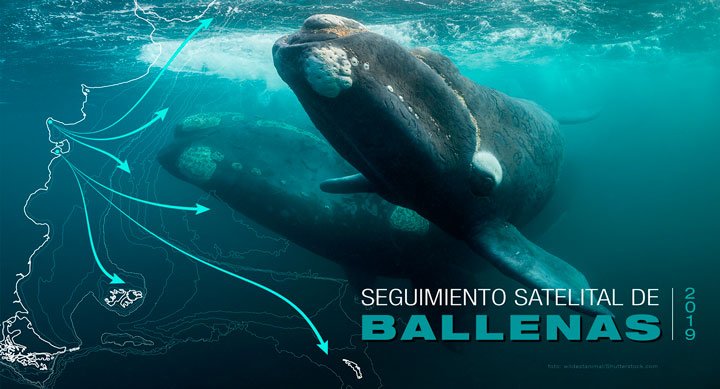
In the middle of the year a new sound is heard in the southern Patagonian sea. The right whale returns punctually to Peninsula Valdés, in Argentine Patagonia.
Whales arrive.

As every year about 600 specimens of each species arrive in the calm waters of the Golfos Nuevo and San José.

Like sea lions and elephant seals, whales are mammals that have adapted to marine life.

02.-Whales in Patagonia-11.jpg

But they have gone much further in their evolution.

Their limbs do not retain anything that can remind them of their previous terrestrial life and their enormous weight, on the other hand, prevents them from going ashore.

02.-Whales in Patagonia-5.jpg

Nor do they need it, because whales, unlike sea lions and elephant seals, reproduce in the water.

Despite the richness of the murky waters of the Valdés peninsula, this is not a feeding area for cetaceans.

In fact, during their stay in Argentine southern waters, they must live off the fat reserves accumulated during their long stay in the ocean.

02.-Whales in Patagonia-14.jpg

Despite this, the waters of the Valdés Peninsula are still the chosen place to carry out two fundamental missions: mating and bringing their young to the world.

The southern right whale in danger.

02.-Whales in Patagonia-10.jpg

However, these images were about to disappear due to indiscriminate hunting by whalers.

And the southern right whale stopped coming to these waters. Only years after the whales were protected did they return to this sanctuary.

50 years after the ban, the coasts of the South Atlantic began to show the presence of the southern right whale again.

A global attraction.

02.-Whales in Patagonia-15.jpg

In Patagonia, in the province of Chubut, on the Valdès peninsula, Puerto Piramides, there is the possibility, between the months of May and December, of detecting the southern right whale and getting excited when the encounter is already anticipated from a distance.

Seeing a whale with its flounder is an unusual and unforgettable sight.

They represent the great attraction of the Valdès peninsula, where they reach the coast showing themselves in evolutions and jumps that would be said to be worthy of a classical ballet despite the size and enormous weight of the "dancers".

02.-Whales in Patagonia-0.jpg


Before choosing your binocular model of any brand, the following should be kept in mind: All binoculars have two numbers printed on their body, for example "8 x 40", the first number indicates the increases and the second the diameter.

When we talk about magnification, we are referring to the number of times the observed object will bring us closer.
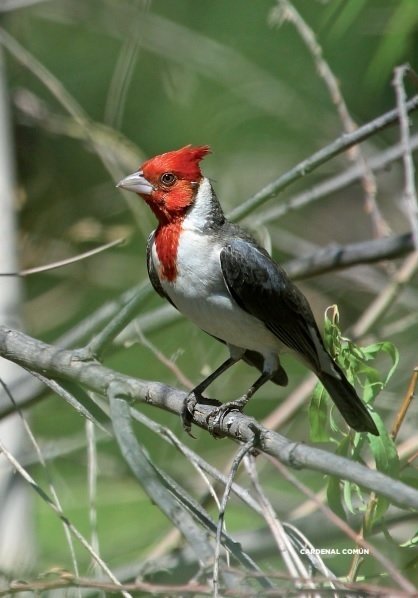
Birdwatching is a practice that I started at an early age. Being outdoors to recreate with the diversity of birdlife that hides among the forests, steppes, fallow lands, coastal lagoons, salt marshes or marshes, among other habitats, is enriching, relaxing and healthy.

Birdwatching in Argentina [#2]: Punta Tombo Reserve, The Iguazú and The Impenetrable National Parks.

To know the range, we will have to divide the distance at which the bird is, for example 30 meters by this first number, in this case the count will be 30/8 which gives us 3.75, that is, we will see the bird as if was less than four meters away.
01.-avistaje-de-aves-en-la-argentina-(#1).jpeg

As a general rule of thumb for bird watching it is suggested that the magnification is not less than 7 and not more than 10. With greater magnifications the visual field decreases and the image begins to move requiring the support of a tripod. Zoom binoculars are not recommended. Neither are those with night visibility. 

The second number in this case "40" refers to the diameter of the lenses and this has to do with light collection, the more diameter the better light collection and this will allow us to observe better details.

For shady places like jungles or forests this is very important. As the diameter of the lens decreases, the luminosity decreases and the angle of vision or visual field narrows. It should be added here that binoculars with 50mm lenses are usually quite heavy although the more expensive brands currently use lighter and stronger materials. It will be necessary to evaluate then the average between distance and luminosity, this is called "exit pupil", this is done by dividing the diameter by the increases.
02.-avistaje-de-aves-en-la-argentina-(#2).jpg
Before choosing your binocular model of any brand, the following should be kept in mind: All binoculars have two numbers printed on their body, for example "8 x 40", the first number indicates the increases and the second the diameter. When we talk about magnification, we are referring to the number of times the observed object will bring us closer. To know the range, we will have to divide the distance at which the bird is, for example 30 meters by this first number, in this case the count will be 30/8 which gives us 3.75, that is, we will see the bird as if was less than four meters away.

As a general rule of thumb for bird watching it is suggested that the magnification is not less than 7 and not more than 10. With greater magnifications the visual field decreases and the image begins to move requiring the support of a tripod. Zoom binoculars are not recommended. Neither are those with night visibility. The second number in this case "40" refers to the diameter of the lenses and this has to do with light collection, the more diameter the better light collection and this will allow us to observe better details.

For shady places like jungles or forests this is very important. As the diameter of the lens decreases, the luminosity decreases and the angle of vision or visual field narrows. It should be added here that binoculars with 50mm lenses are usually quite heavy although the more expensive brands currently use lighter and stronger materials. It will be necessary to evaluate then the average between distance and luminosity, this is called "exit pupil", this is done by dividing the diameter by the increases.
13.-Iguazú-Bailarin-Azul-9.png
Before choosing your binocular model of any brand, the following should be kept in mind: All binoculars have two numbers printed on their body, for example "8 x 40", the first number indicates the increases and the second the diameter. 

When we talk about magnification, we are referring to the number of times the observed object will bring us closer. To know the range, we will have to divide the distance at which the bird is, for example 30 meters by this first number, in this case the count will be 30/8 which gives us 3.75, that is, we will see the bird as if was less than four meters away. 

As a general rule of thumb for bird watching it is suggested that the magnification is not less than 7 and not more than 10. With greater magnifications the visual field decreases and the image begins to move requiring the support of a tripod. Zoom binoculars are not recommended. Neither are those with night visibility.

Before choosing your binocular model of any brand, the following should be kept in mind: All binoculars have two numbers printed on their body, for example "8 x 40", the first number indicates the increases and the second the diameter. When we talk about magnification, we are referring to the number of times the observed object will bring us closer. 

To know the range, we will have to divide the distance at which the bird is, for example 30 meters by this first number, in this case the count will be 30/8 which gives us 3.75, that is, we will see the bird as if was less than four meters away. 

As a general rule of thumb for bird watching it is suggested that the magnification is not less than 7 and not more than 10. With greater magnifications the visual field decreases and the image begins to move requiring the support of a tripod. Zoom binoculars are not recommended. Neither are those with night visibility. 

The second number in this case "40" refers to the diameter of the lenses and this has to do with light collection, the more diameter the better light collection and this will allow us to observe better details. For shady places like jungles or forests this is very important.

As the diameter of the lens decreases, the luminosity decreases and the angle of vision or visual field narrows. It should be added here that binoculars with 50mm lenses are usually quite heavy although the more expensive brands currently use lighter and stronger materials. It will be necessary to evaluate then the average between distance and luminosity, this is called "exit pupil", this is done by dividing the diameter by the increases.

The second number in this case "40" refers to the diameter of the lenses and this has to do with light collection, the more diameter the better light collection and this will allow us to observe better details. For shady places like jungles or forests this is very important. As the diameter of the lens decreases, the luminosity decreases and the angle of vision or visual field narrows.

It should be added here that binoculars with 50mm lenses are usually quite heavy although the more expensive brands currently use lighter and stronger materials. It will be necessary to evaluate then the average between distance and luminosity, this is called "exit pupil", this is done by dividing the diameter by the increases.

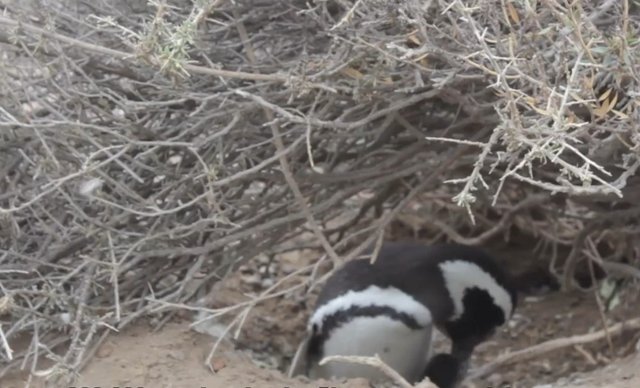
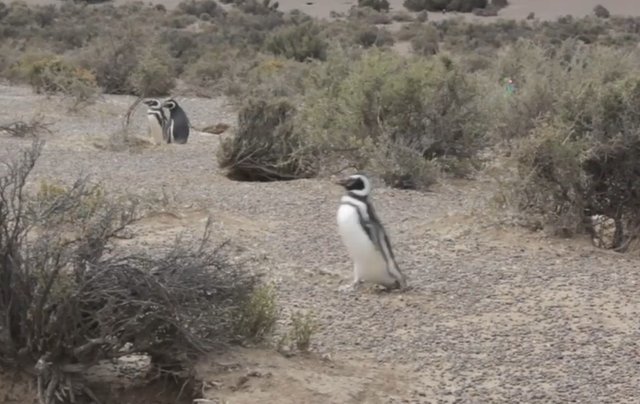
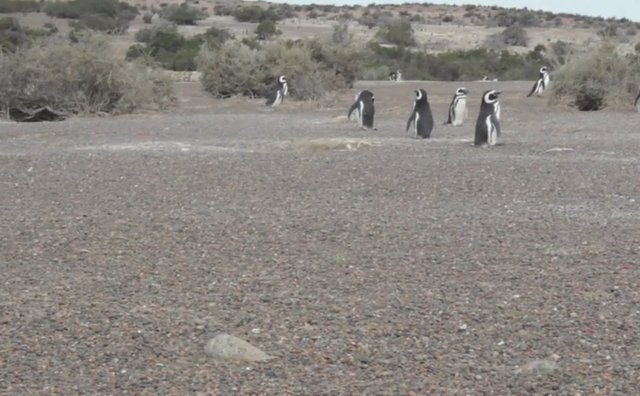
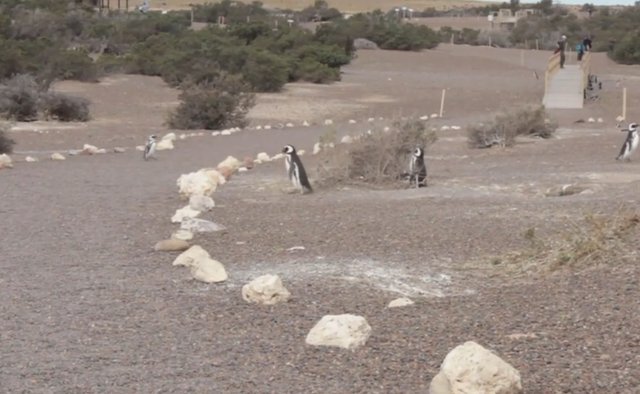
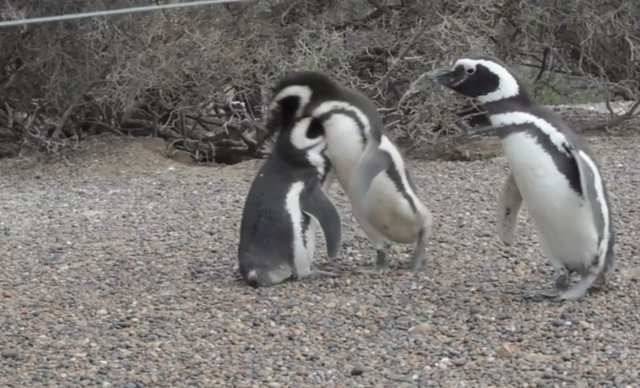
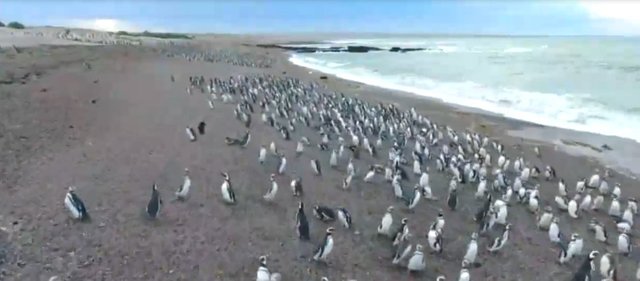
Million penguins live on the Patagonian coast, in the Punta Tombo reserve.

About a million penguins live on the Patagonian coast, in the Punta Tombo reserve, 180 kilometers from Puerto Madryn.

A beautiful and thrilling show. See thousands and thousands of penguins walking among people looking for their nests or their young on the infinite marine beach of Punta Tombo.
02.-Pingüinera de Punta Tombo-1.jpg
02.-Pingüinera de Punta Tombo-2.jpg
02.-Pingüinera de Punta Tombo-4.jpg
02.-Pingüinera de Punta Tombo-6.jpg
02.-Pingüinera de Punta Tombo-7.jpg
02.-Pingüinera de Punta Tombo-9.jpg
02.-Pingüinera de Punta Tombo-10.jpg

The Iguazú National Park.

The Iguazú national park (in Spanish Parque Nacional Iguazú, in Portuguese Parque Nacional do Iguaçu) is a national park located on the border between Argentina and Brazil and the border is established by the homonymous river. 

The Argentine part of the park is located in the north of the province of Misiones, while the Brazilian part of the park is located in the south-western part of the state of Paraná. It covers an area of approximately 2,250 km², of which 550 in Argentina and 1,700 in Brazil, although 80 percent of the falls are located in Argentina.

The park was created in 1939 and includes one of the most famous naturalistic landscapes in all of South America, the Iguazu falls, immersed in the tropical forest. Both the Argentine and Brazilian parts of the park were included in the UNESCO World Heritage List, the first in 1984 and the second in 1986.

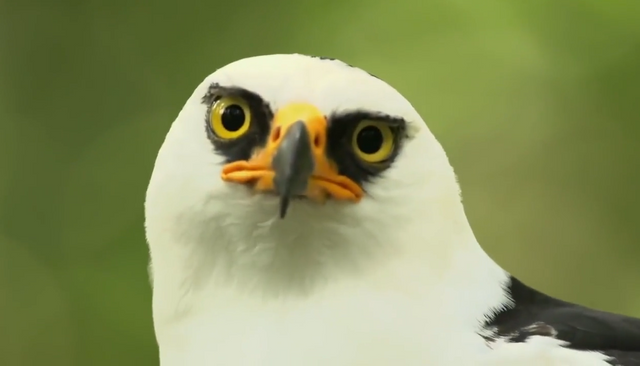
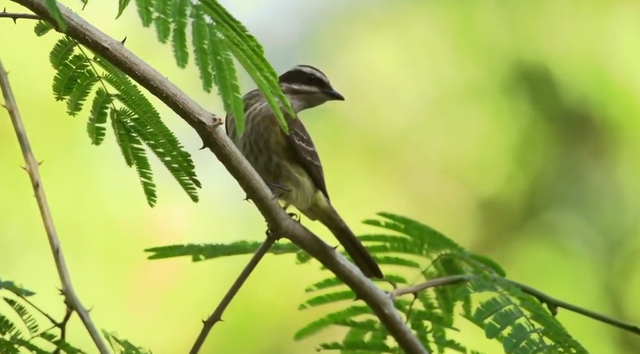
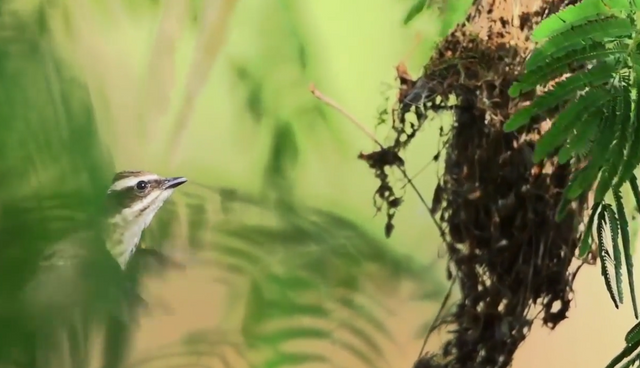
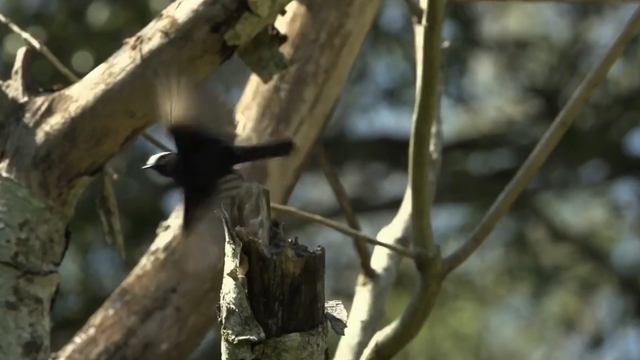
Among the bird species that can be seen the most within the park is the famous large toucan (5 types of toucans inhabit), magpies, terres, parrots and swifts, the latter species that we mentioned fly through the water columns from the waterfalls and can be easily seen from the balcony of the devil's throat. The swift is the bird that symbolizes the Iguazú National Park.

The North of the Province of Misiones is a paradise for bird lovers. This is due to its warm climate throughout the year, its exuberant flora and its many Reserves dedicated to Environmental Conservation.
10.-iguazu-fauna-1.png
10.-iguazu-fauna-aguila.png
10.-iguazu-fauna-aguila-1.png
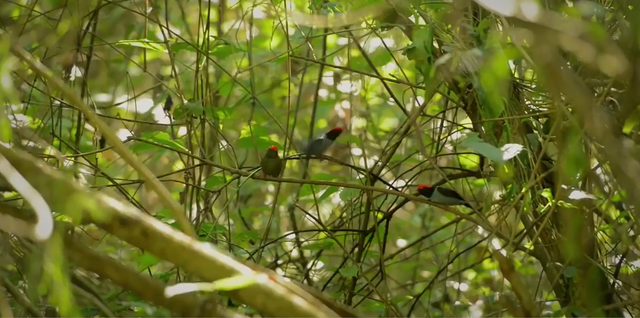
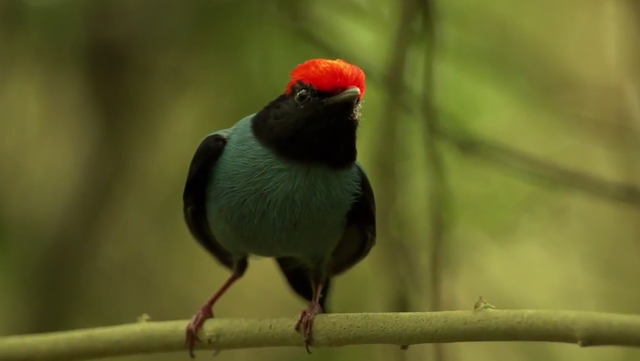
10.-iguazu-fauna-bailarines-azules.png
10.-iguazu-fauna-benteveo.png
10.-iguazu-fauna-benteveo-pirata.png
10.-iguazu-fauna-chinchero.png
10.-iguazu-fauna-guetapa-negro.png
10.-iguazu-fauna-pajaro-carpintero.png
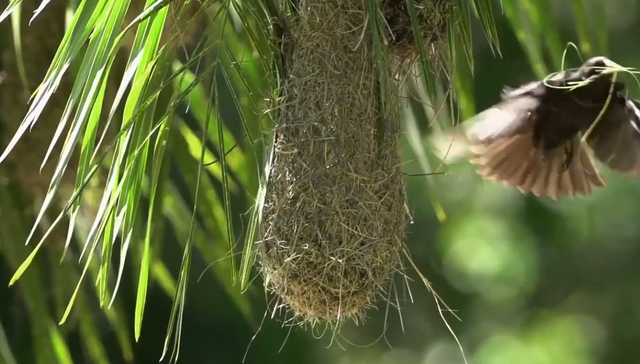
10.-iguazu-fauna-pajaro-tejedor.png

The Impenetrable is a must-see for lovers of hiking and nature.

It is one of the little explored places in the country, but it is worth knowing. The new park, of 128 thousand hectares, now represents the largest reserve in northern Argentina.

It is very difficult to find a degree of biodiversity as pure as that seen in El Impenetrable National Park.

The national park is part of what Estancia La Fidelidad used to be and extends between the provinces of Chaco and Formosa, covering an area of ​​250,000 hectares, divided by the Bermejo river.

The origin of its name lies in the difficulty of entering the area. Nature is diverse.
06.-El-Impenetrable-aves.png
06.-El-Impenetrable-aves-1.png
06.-El-Impenetrable-aves-2.png
06.-El-Impenetrable-fauna.png
06.-El-Impenetrable-fauna-1.png
06.-El-Impenetrable-fauna-2.png
06.-El-Impenetrable-pajaro.png
Papyrus_PNG_Clipart_Image-1000x737.png

 
Copyright © 2015 Argentina Photo Gallery
Distributed By Gooyaabi Templates
-->