F
Showing posts with label Birds. Show all posts
In a future post I will comment on my impressions lived when visiting the impressive Iguazú National Park within which are the famous Falls considered one of the 7 Wonders of the World, located on the border between Argentina and Brazil, as Travel Memories.

I am grouping this collection of Travel Memories delving into the depths of my memory, to try to take out of each trip the most salient, most curious, most impressive aspects.
I stayed for several days and had the opportunity to see several specimens of the native fauna and flora of that region up close.

The Blue Dancer a true treasure hidden in the missionary jungle.


I stayed for several days and had the opportunity to see several specimens of the native fauna and flora of that region up close.

And, specifically regarding fauna, I was struck by the dazzling colors of many birds.

Today I am going to refer to one of them that I had the possibility of photographing, however it is quite difficult to do so because it is not seen closely. Its habitat is the deep interior of the missionary jungle.
It is the Blue Dancer, a bird of very beautiful colors and that receives this name for the bridal dance that he practices when trying to conquer his partner.

The Blue Dancer hides deep in the missionary jungle.


It is a true treasure hidden in the missionary jungle. Her bridal dance is of extraordinary beauty.
Read also: Travel Memories #1: the amazing and varied fauna and flora in the Iguazu Falls.
As in many species of tropical and subtropical birds, the most striking colors are worn by the male.

The female has much more modest colors.

The male has a very striking coloration, with a light blue body and a bright red hood, in contrast to black wings.
The female has a much more modest plumage, being entirely olive green, lighter in the ventral area. Juvenile males are also green, albeit with the small red cap.

The Blue Dancer has long been proposed as a provincial bird of Misiones. Its approval is still pending.

The beginning of the bridal dance.

The Blue Dancers announce, with their singing, the beginning of the love procession.
Other pretenders join at once.
There is a very particular dance fashion to attract your partner.
The female will incline her preferences towards the best dancer.
The males begin the dance displaying the best of their technique.
A juvenile male observes the choreography to see how it is done.
For generations they dance on the same branch.
The dance continues uninterrupted.
Finally the female appears, the true reason for so much histrionic unfolding.
But nevertheless all the "artistic" demonstrations remain indifferent. Obviously he is not interested in either of the two adult candidates.
You will have to keep testing.
The disappointment of one of the candidates.
It is one of the little explored places in the country, but it is worth knowing. The new park, of 128 thousand hectares, now represents the largest reserve in northern Argentina.

It is very difficult to find a degree of biodiversity as pure as that seen in El Impenetrable National Park.

The national park is part of what Estancia La Fidelidad used to be and extends between the provinces of Chaco and Formosa, covering an area of ​​250,000 hectares, divided by the Bermejo river.

The origin of its name lies in the difficulty of entering the area. Nature is diverse.

Lush forests. Ancient trees and mammals of exuberant beauty form the recent El Impenetrable National Park, the largest in northern Argentina.
Its 128,000 hectares make it the largest national park in northern Argentina.

The Impenetrable is a must-see for lovers of hiking and nature.

Under the premise of preserving the Chaco forest and the diverse species of flora and fauna that inhabit it, National Parks protects its 130,000 hectares from times prior to its creation, in 2017.

Why should we know this place?

The Impenetrable today constitutes one of the few, best preserved and largest green lungs in Latin America.
For many years, the site was used as a sports hunting ground. Domestic animals, indiscriminate logging and hunting put their biodiversity and ecological sustainability in check, causing the extinction of many species and the decrease of others, such as the jaguar, anteater, tapir and crowned eagle, among others.

Entering the park implies observing the life of the forest and the interaction between its inhabitants, as well as finding out about the importance of its preservation, both for the species and for the health of the planet.

Location.

The Impenetrable is located within the Gran Chaco ecoregion, which also extends to the Northwest of Córdoba and in the countries of Bolivia and Paraguay.
It is the third largest forest area in South America, after the Amazon and the Cerrado, in Brazil.
The brand new National Park protects the last redoubt of virgin forest, the third in importance in South America.
Tourist promotion of the park is presented as an alternative to traditional economic activities in the area. An example is the replacement of livestock with the sustainable creation of non-wood products, such as bush honey, carob flour and crafts in chaguar.
It is very clear that preserving and producing is possible.

The National Parks constitute the most important protected natural areas in Argentina.

They conserve biodiversity and ecosystems; they protect paleontological and archaeological sites; they promote environmental education, scientific research and nature tourism.
We start touring the El Impenetrable National Park.

Fauna.

The Impenetrable, thanks to its recovery, became the ideal habitat for many critically endangered species and others threatened with extinction, such as the yaguareté, the carreta tatú, three types of peccaries, the anteater, the crowned eagle and the boa rainbow.
The yarará is a poisonous snake native to South America.
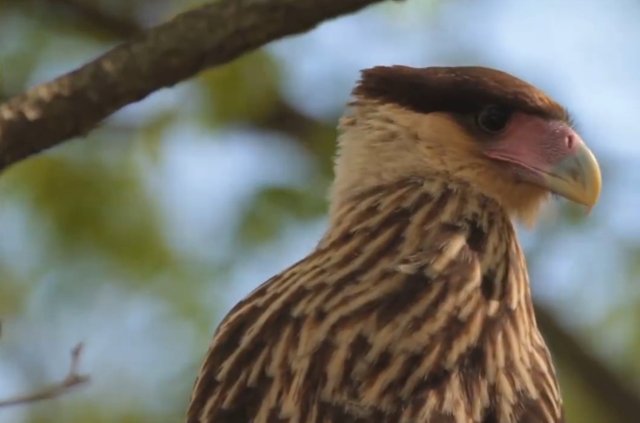
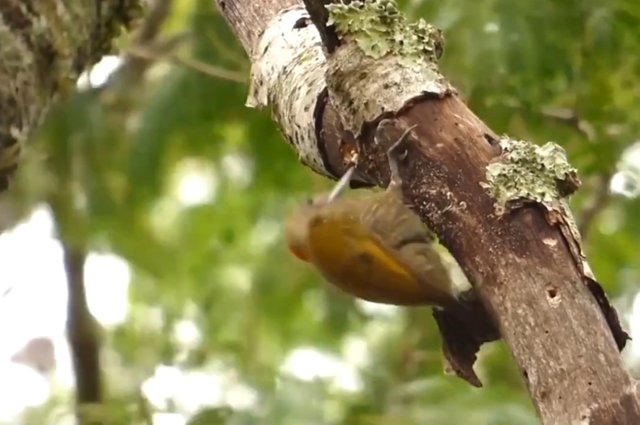
The high biodiversity and native forest of this nature reserve, which is in a very good state of conservation, is home to hundreds of species of birds, including the yabiré, the talking parrot, the black woodpecker, the charata, the rayador and the espinero fron reddish.
The Impenetrable houses endangered fauna such as the jaguar, the anteater, the tapir.

Flora.

In the El Impenetrable National Park there are carob forests. The quebrachos white and red from Santiago stand out.

Other species of the tree canopy are the palo santo, mistol, viraró, itín, moradillo, saucillo, molle, talas, chañar, Capparis, the drunk palo de flor blanca or yuchán and large cactus.
A specimen of drunk stick round tree top and beautiful flowers.
The albardones that border the Bermejo river abound with forests of river alder, Creole willow, and yellowwood. Somewhat farther from the river there are examples of soap stick and stone stick.
The carob tree is the most widespread tree in El Impenetrable and the most subject to illegal logging.
The quimilero peccary is the largest in the country and an exclusive species in the Chaco region that is in serious danger of extinction, mainly due to hunting and the disappearance of its habitat.
The Chaco land tortoise inhabits semi-arid chaco forests.
The Chaco region is the second largest block of forests in South America after the best-known Amazon region.
Snakes, tapirs, peccaries, corzuelas (fawns), rheas and all kinds of animals walk in herds still elusive
The trips to the center of the Argentine jungle were the inspiration for the famous storyteller Horacio Quiroga to write his successful anthology "Tales from the jungle", a work that realistically shows the variety of animals that populate the impenetrable missionary and Chaco forest.
There are around 40 national parks, and there are hundreds of protected properties, at least in theory, under provincial, municipal and even privately managed jurisdictions.
13.-Avistaje-de-aves-en-el-Parque-Luro-5.jpg
La Pampa is not a province of great tourist attractions.

Most people think of hunting (major or minor) when someone refers to the Pampa soil. Wild boar pigs, red deer, with due restrictions and other smaller species.

Even foreign tourists who come purely and exclusively to spend their holidays in hunting grounds.

However there are two beautiful activities to spend a long weekend or a short vacation.
13.-Avistaje-de-aves-en-el-Parque-Luro-10.jpg

Deer Breech and Bird Watching.

I already talked about one of them in a previous post, it is the ** [Red Deer Brama.] (Https://hive.blog/hive-120586/@belen0949/mousse-de-chocolate-con-flores-de -azucar-chocolate-mousse-with-sugar-flowers-esp-eng) **

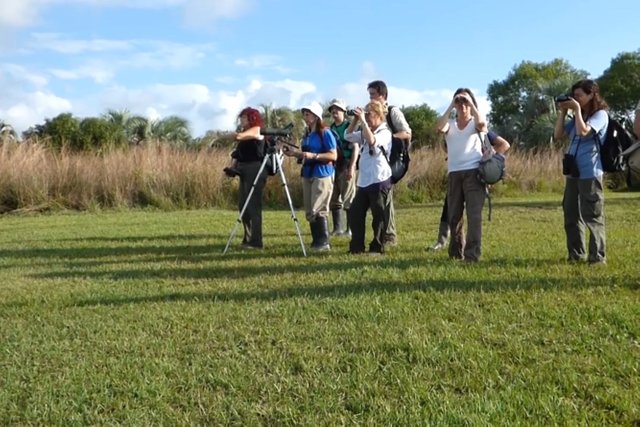
What many do not know is that, in parallel to the red deer roar, they can enjoy the particular charm of the ** Birdwatching in the Pampas. **

As a consequence of the numerous water wells and springs that have appeared in La Pampa in recent years, not only have new and numerous animals been appearing that have established their habitat in this area.

13.-Avistaje-de-aves-en-el-Parque-Luro-grupo.jpgNumerous species of birds favored by the continuous development of the caldenal (calden forests), which abound in this province, protected by provincial law, have also gradually been incorporated.

According to the last census carried out by [Aves Argentinas] (https://www.avesargentinas.org.ar) more than 30% of the species are found in the Pampas.

Many of these beautiful birds go unnoticed in our daily lives, without paying the slightest attention to them.

Enjoying a weekend to observe them is not only a good hobby. It is both instructive and didactic. And it serves to improve us as people.

After having observed the Brama of the Deer we dedicated pou for a couple of days to the Bird Watching.

The photos in this post.
13.-Avistaje-de-aves-en-el-Parque-Luro-15.jpg

The most wanted birds.

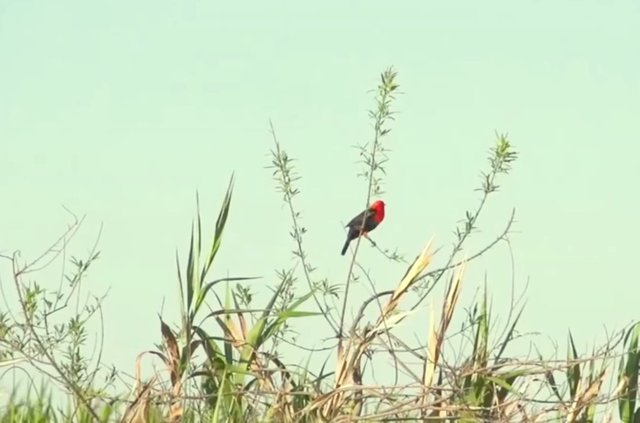
The Churrinche or Brasita de Fuego for its intense red color is one of the most sought after birds.

Legend has it that a cacique wounded by the conquerors preferred to commit suicide by opening his chest with a knife before falling prisoner.

There are some species that are in danger of extinction such as the ** yellow cardinal ** and the ** cinnamon monterita **.

For this reason, sightings must be organized so as not to disturb their natural habitat.

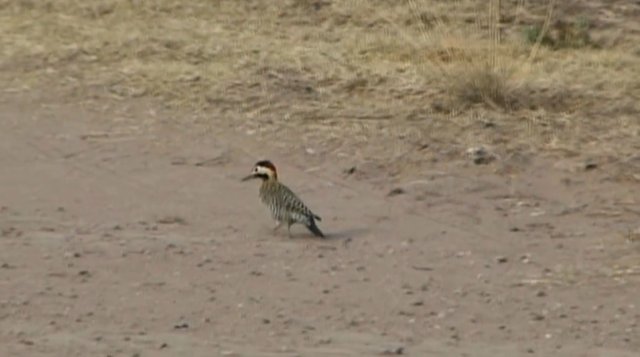
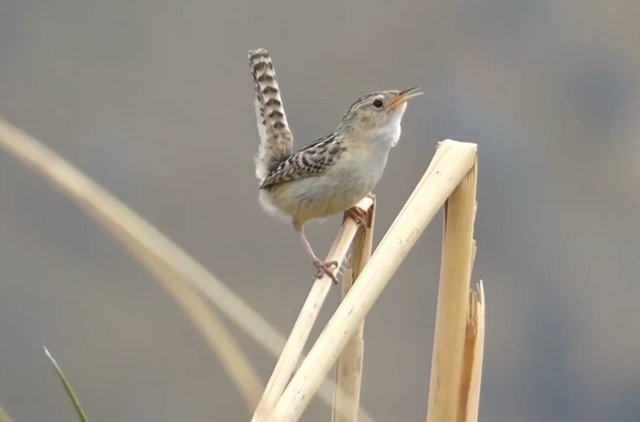
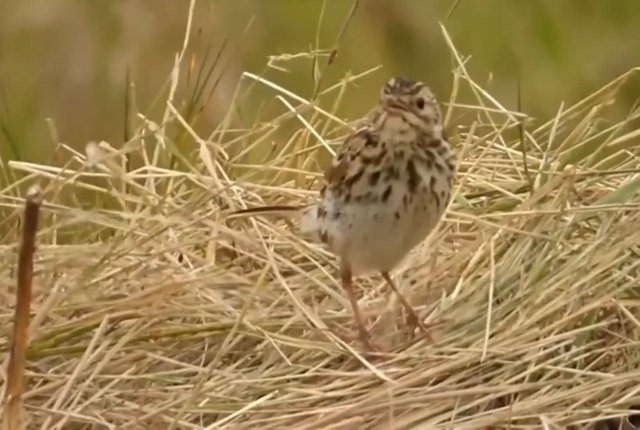
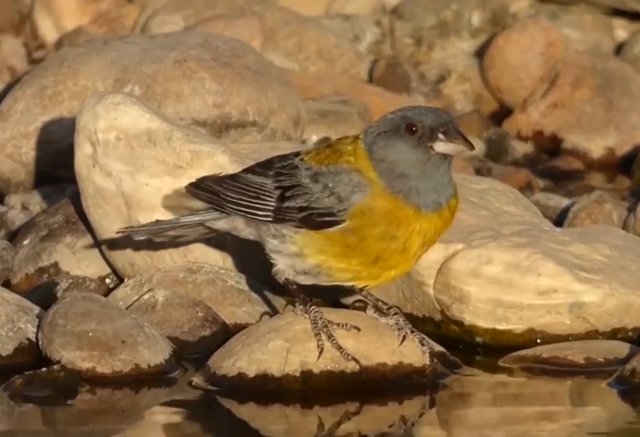
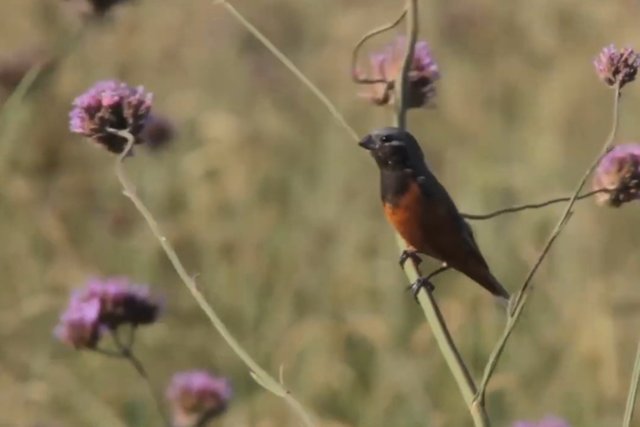
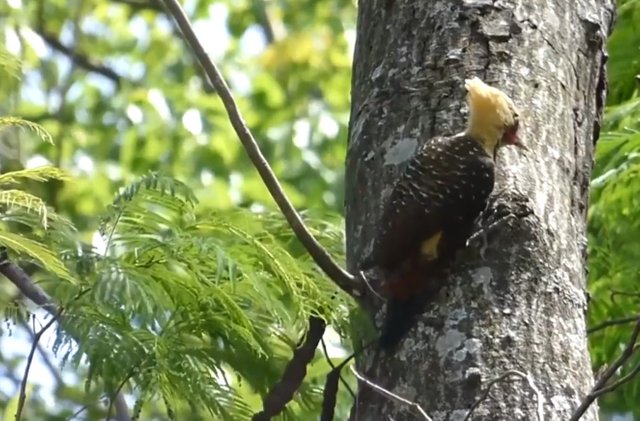
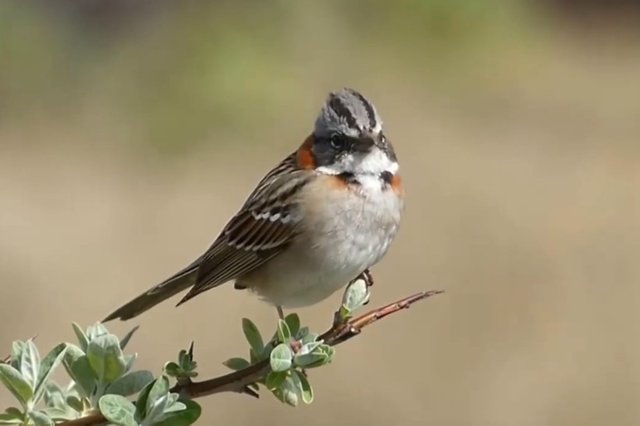
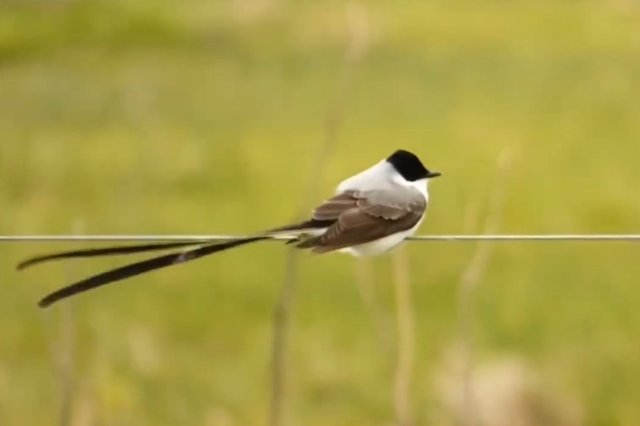
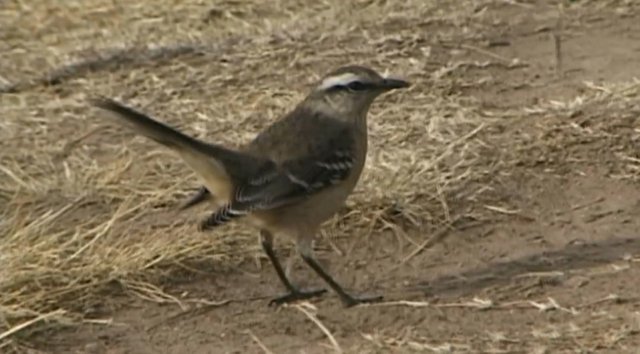
Other species that can be seen are: ** the orange grove, the misto, the goldfinch, various species of pigeons and woodpeckers, the musician thrush, the collared monterita, the common necktie, the chalchalero thrush, the white nun, the benteveo common, the blue tacuarita, the common mouse and the little black head among many other varieties.

09.-el-cóndor-dueño-del-aire-9.jpg

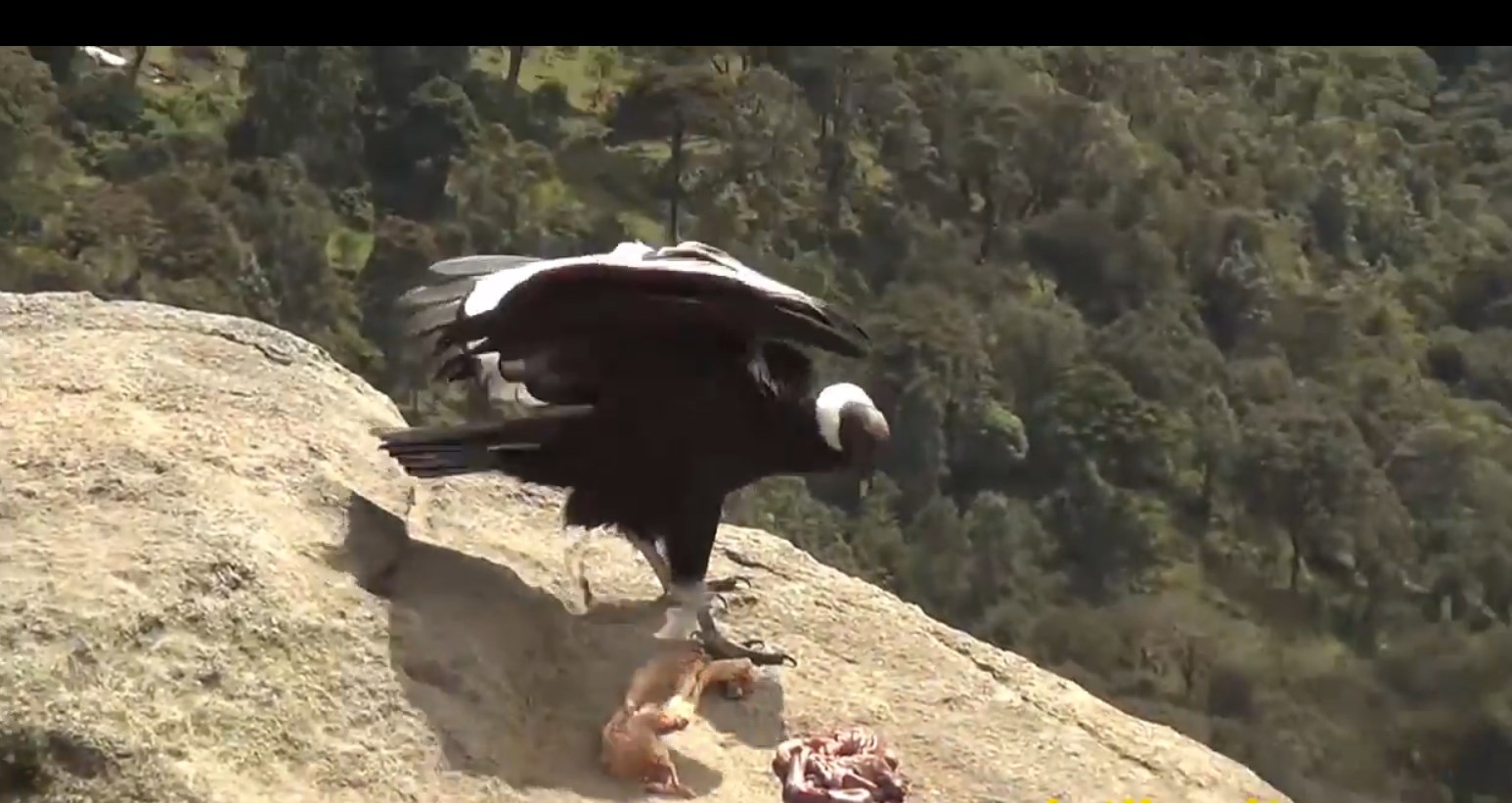
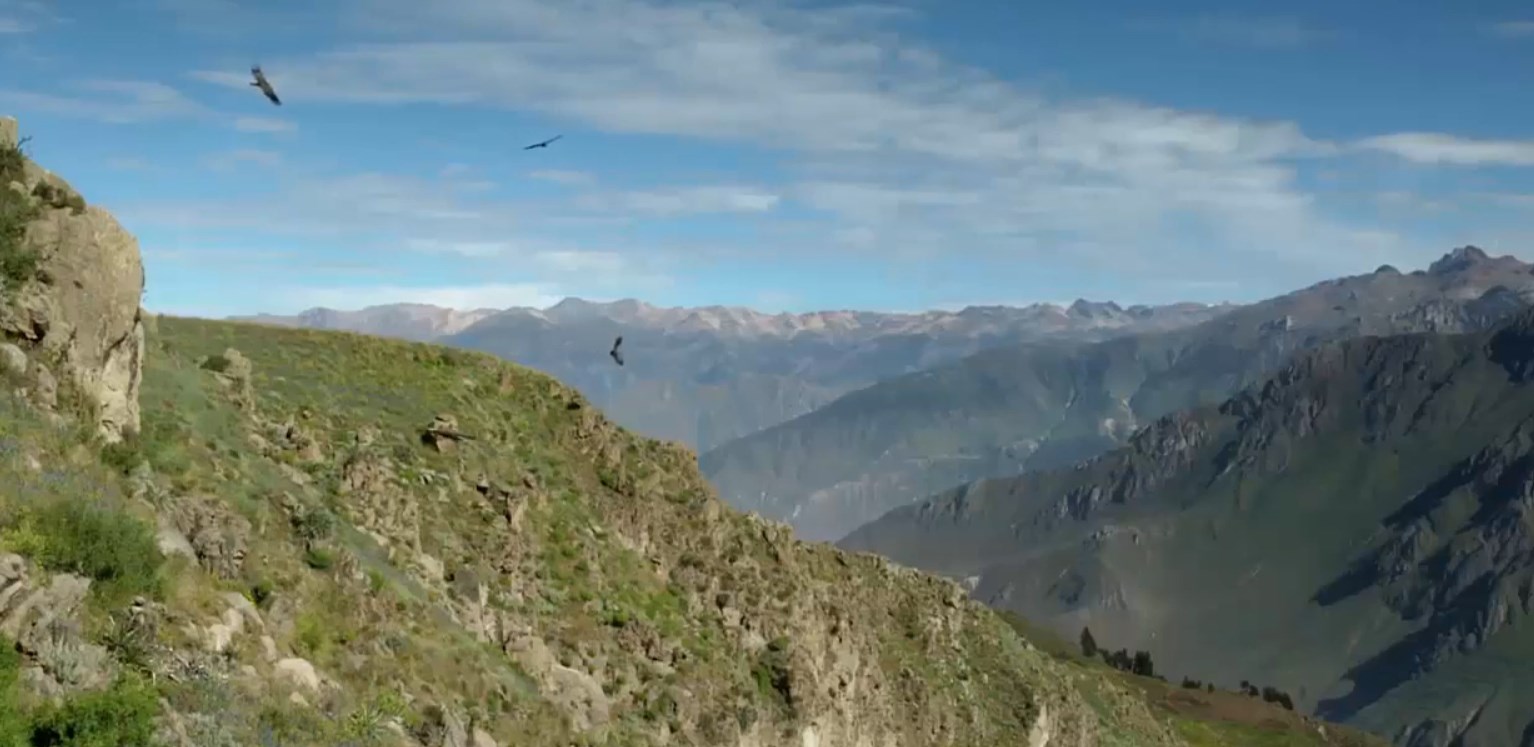
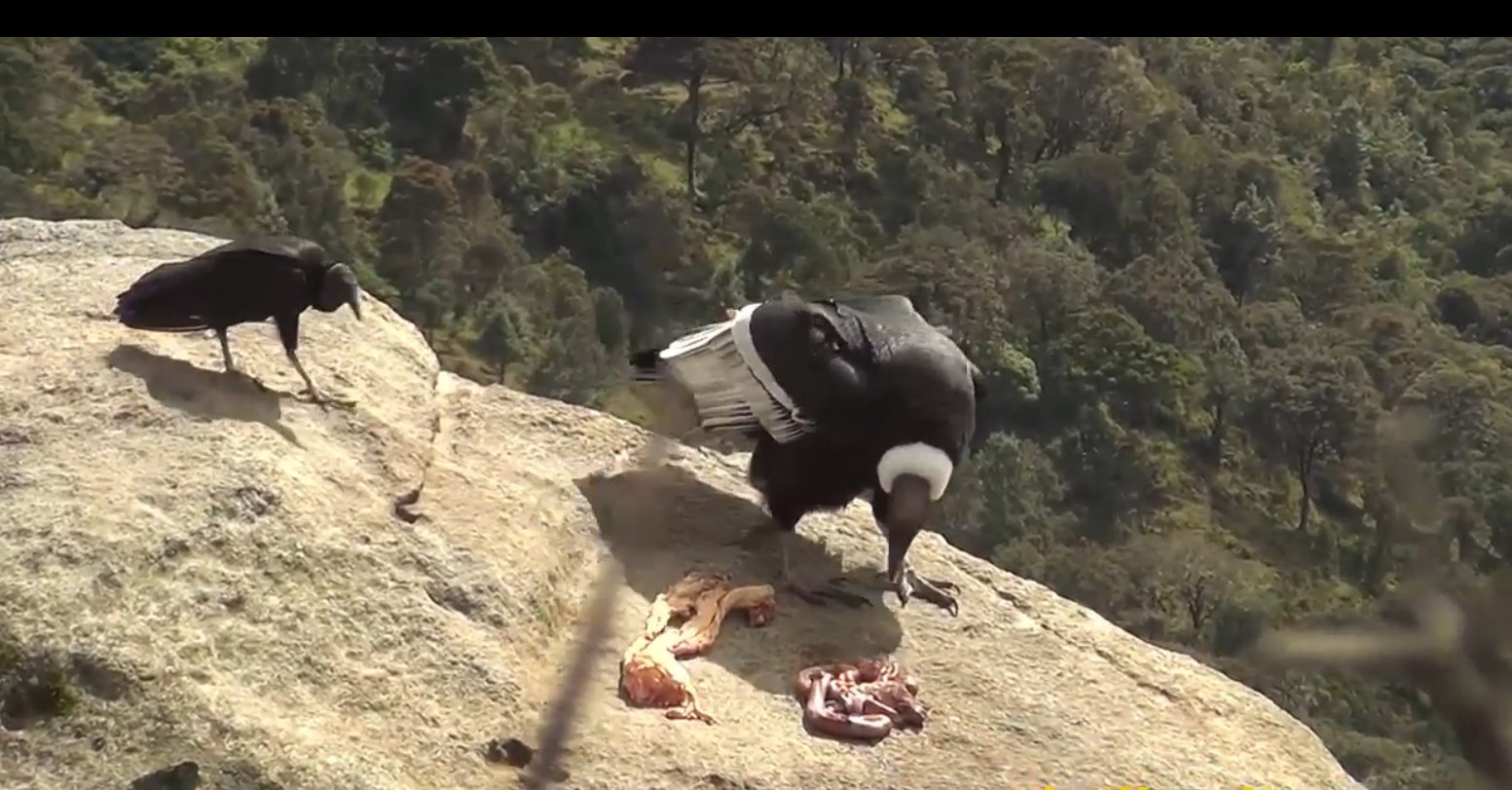
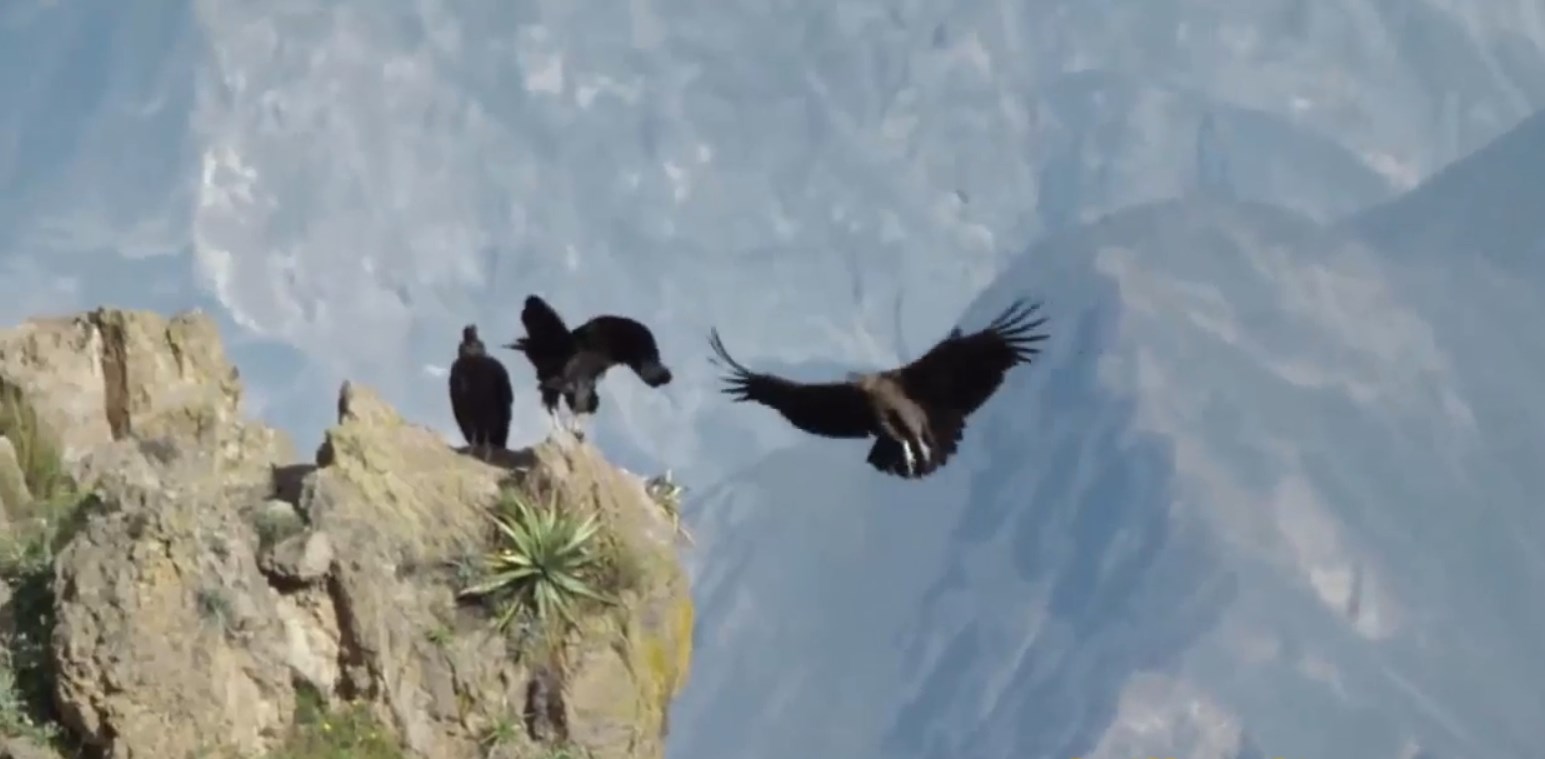
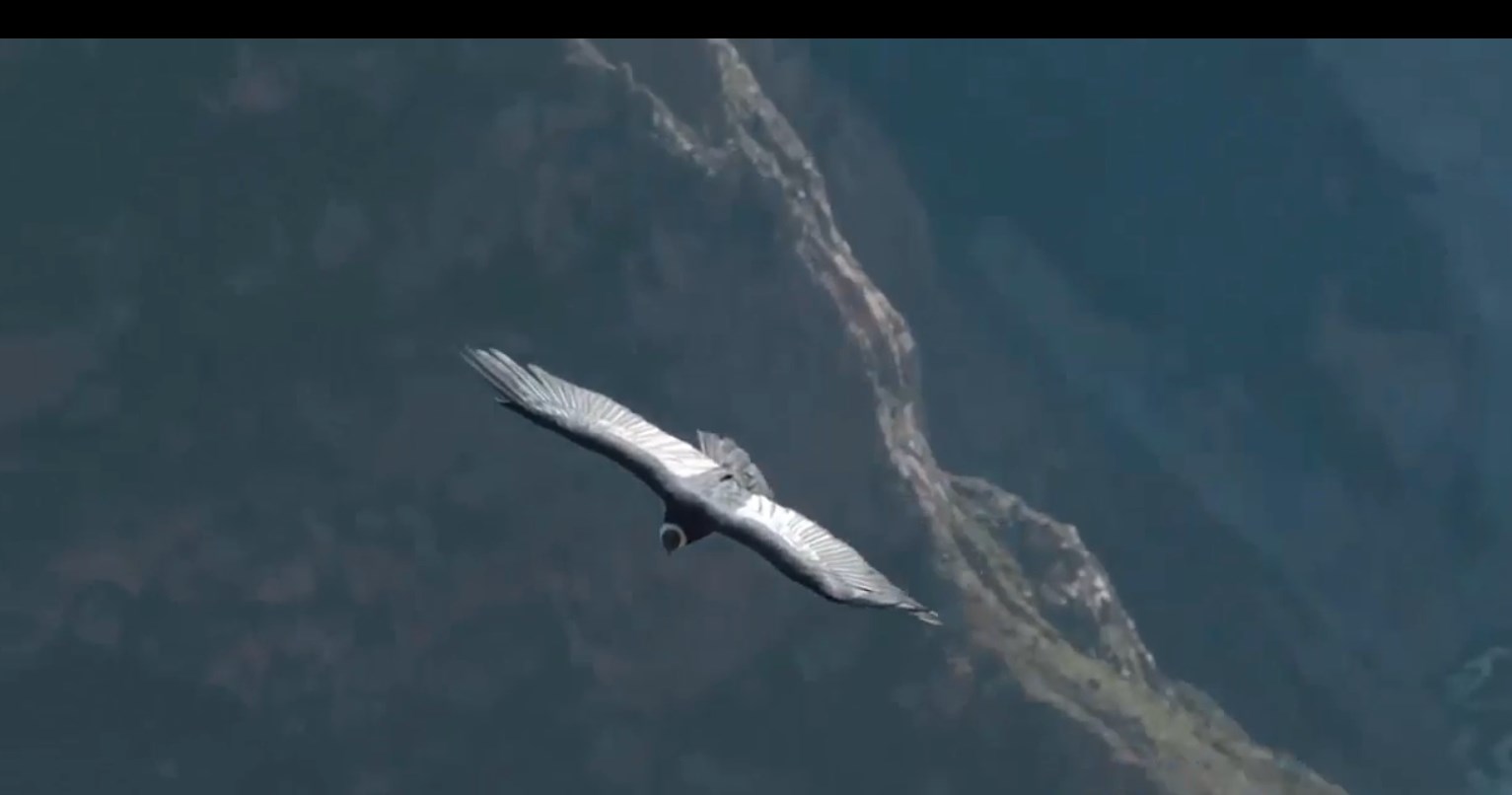
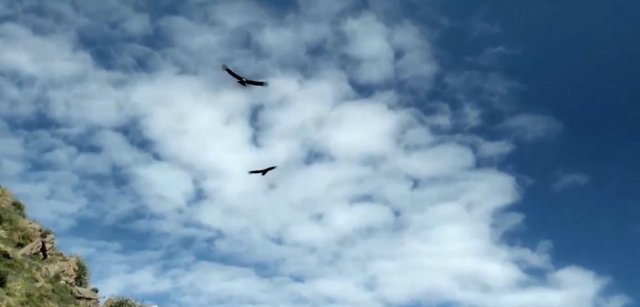
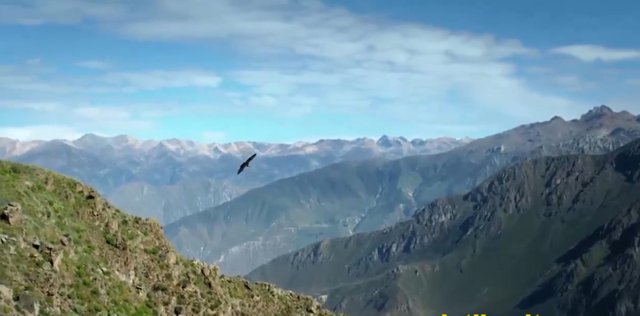
Condors own the air. Heaven seems to have no secrets for these gliding masters.

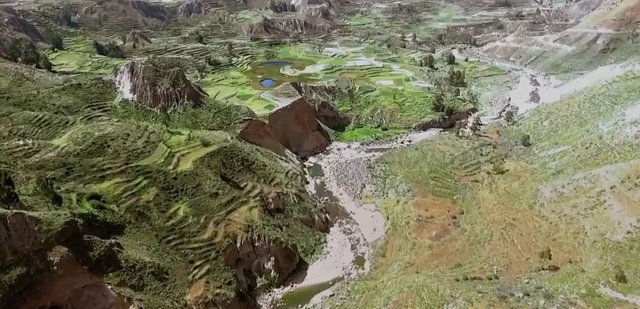
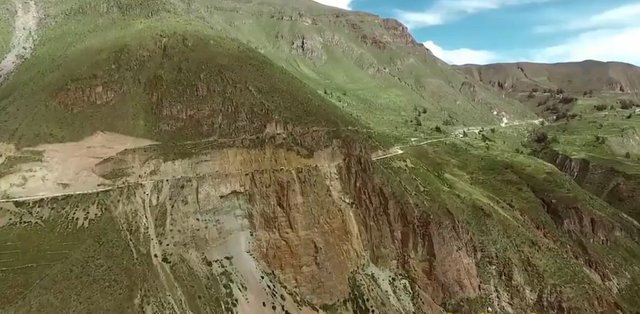
Two of its largest habitats correspond to southern Peru. In the Colca Canyon in Arequipa and in the Mayobamba Canyon in Ayacucho.

The images come from the latter and correspond to the trip he made in 2016 invited by friends. It is one of the places where the sighting is closest.
09.-el-cóndor-dueño-del-aire.jpg

The Colca Canyon is located in the valley of a river in southern Peru and is famous for being one of the deepest in the world. It is a famous hiking destination.

It is a habitat for the giant Andean condor, which can be seen from viewpoints such as the Cruz del Cóndor.09.-el-cóndor-dueño-del-aire-1.jpg
In fact, the Mayobamba Viewpoint must be the best place in Peru to observe this majestic Andean bird.
It is in these places where the largest number of condors on the planet are sighted.09.-el-cóndor-dueño-del-aire-2.jpg
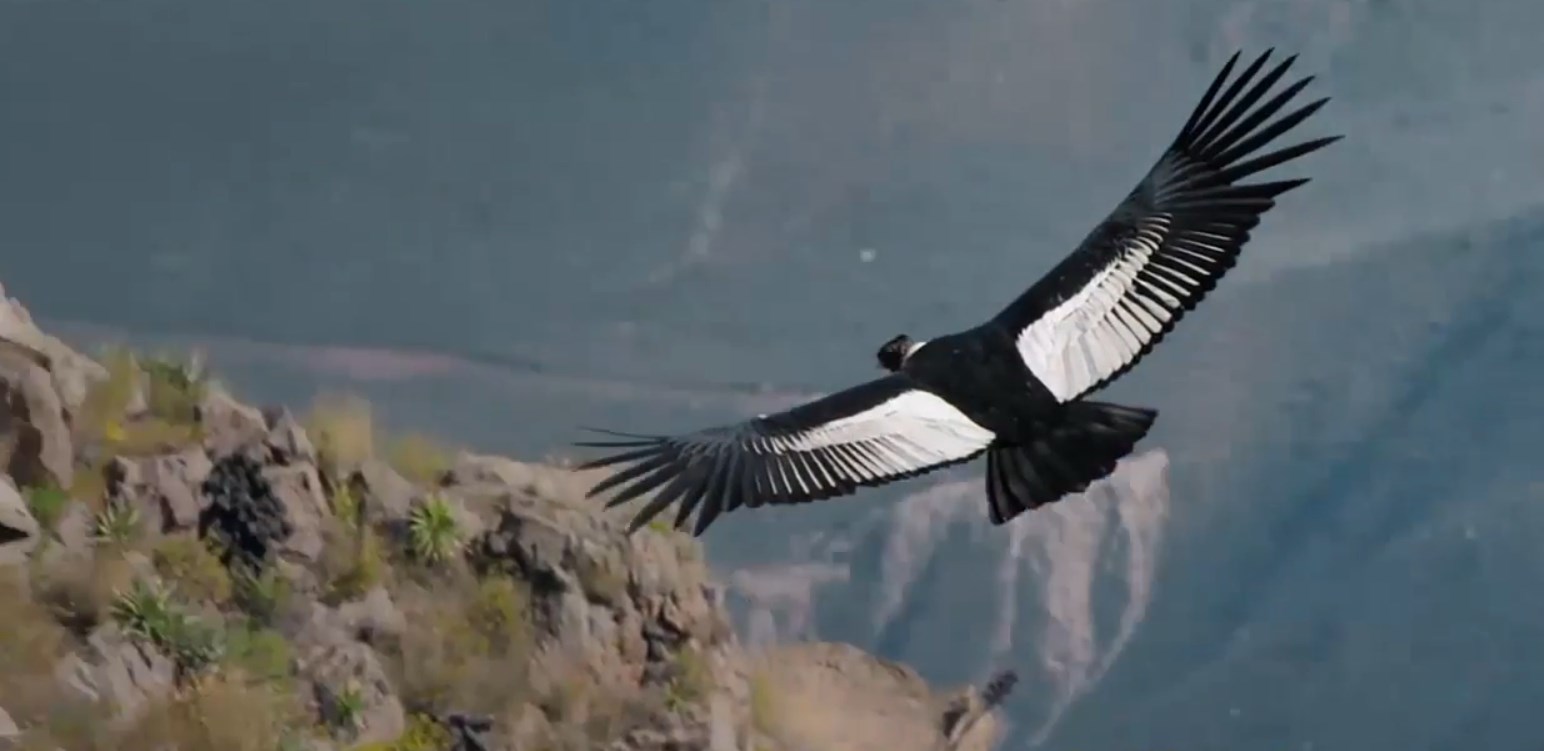
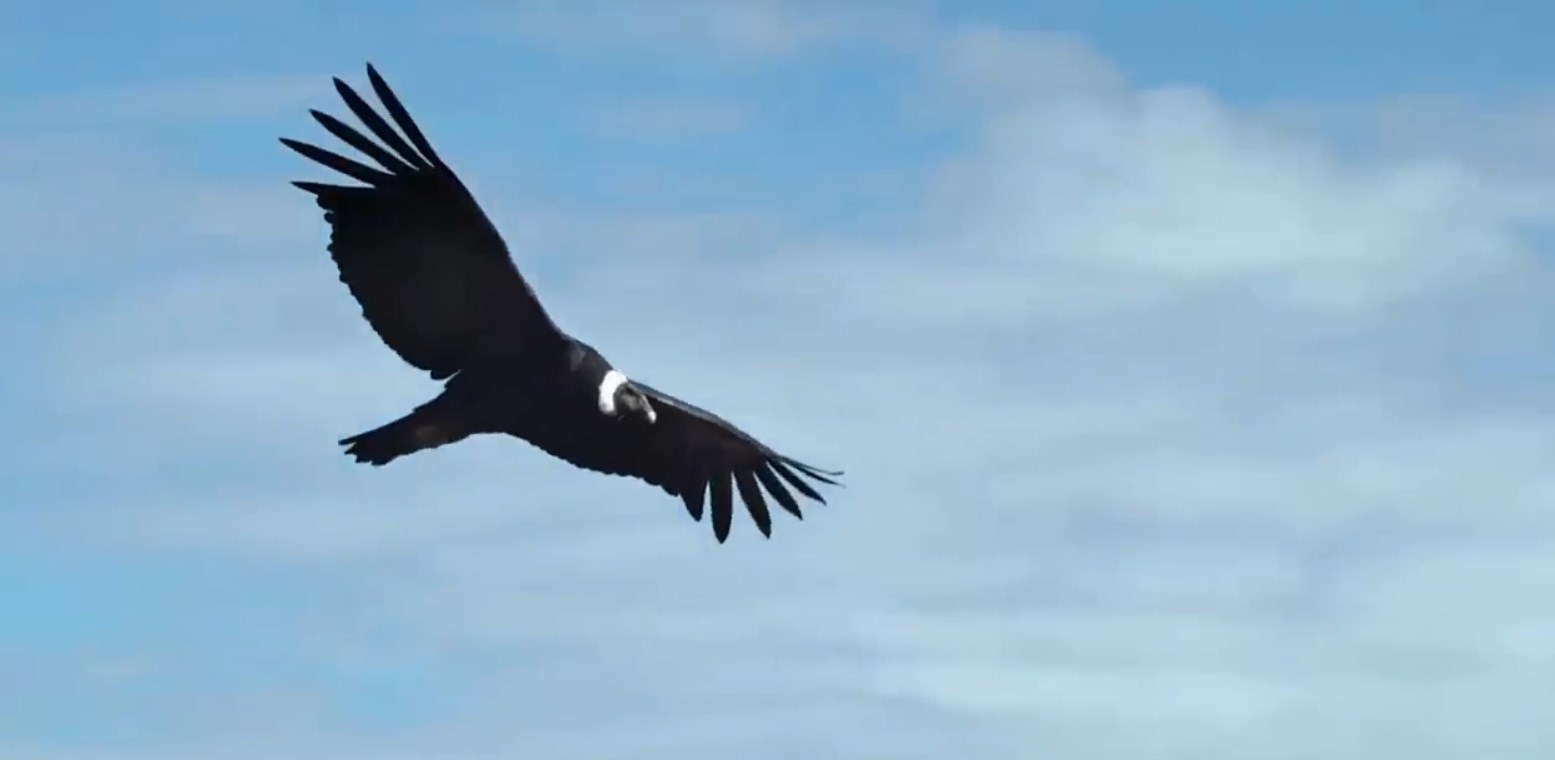
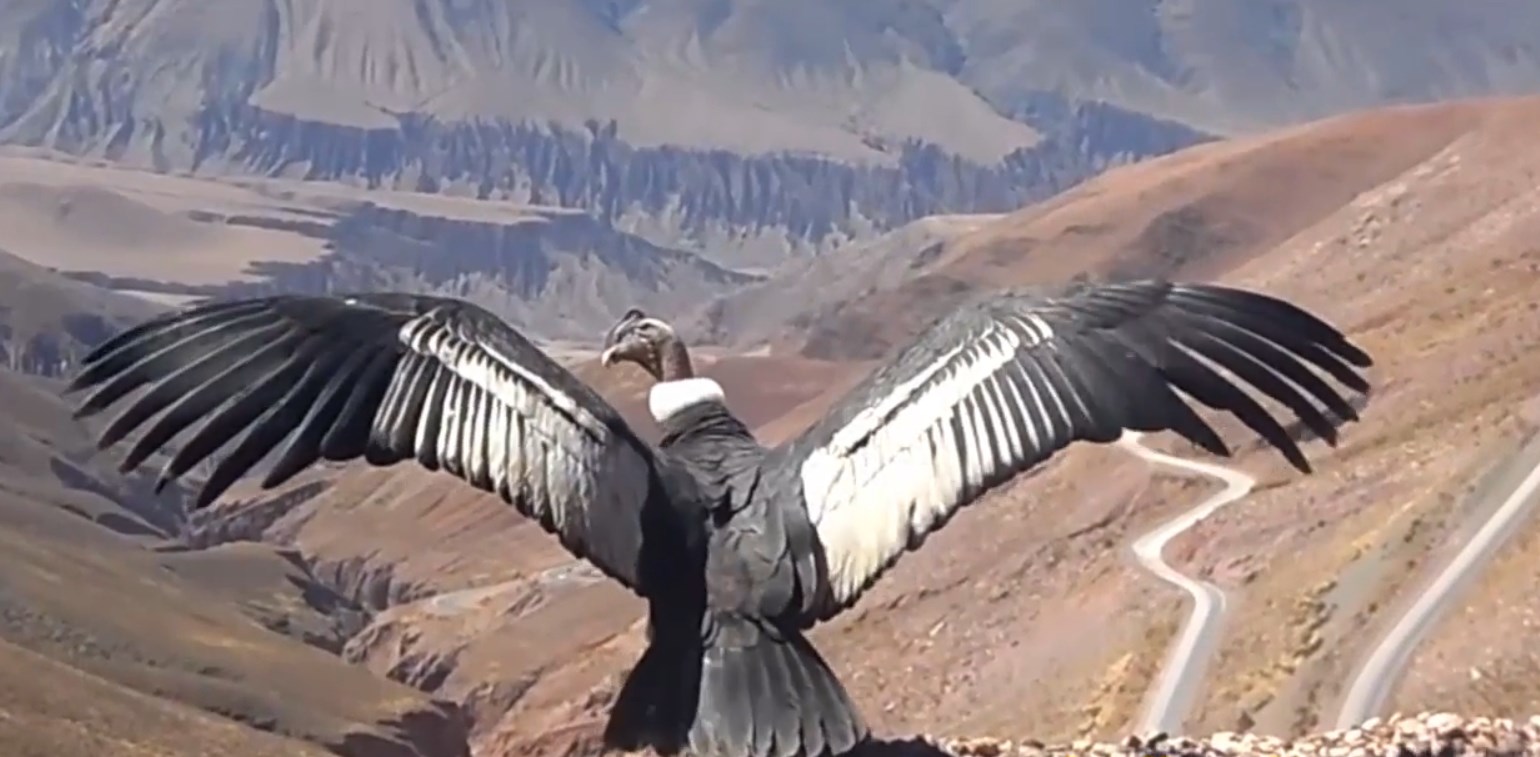
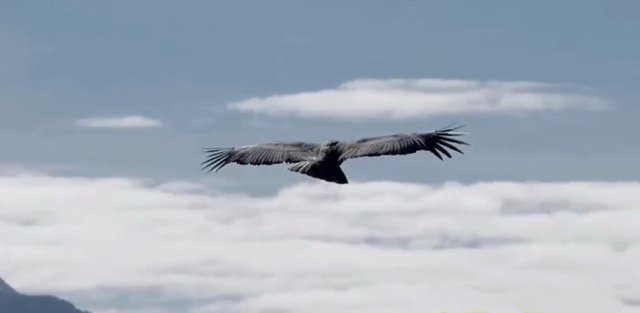
The condor is recognized as the world's largest non-marine flying bird.

Its almost three meters of wingspan mark, mark, control and watch with suspicion what knew to be the largest empire in South America.
09.-el-cóndor-dueño-del-aire-3.jpg

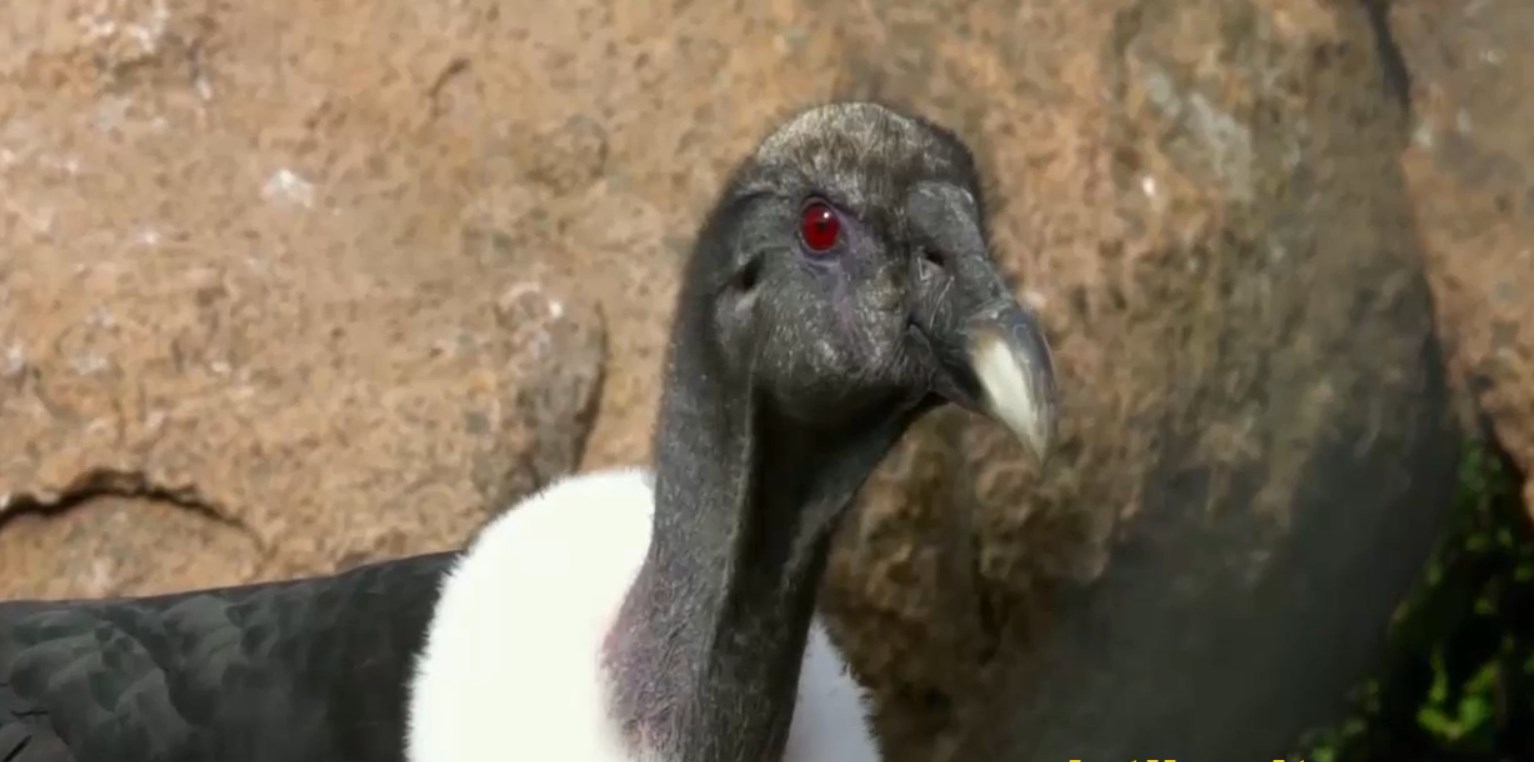
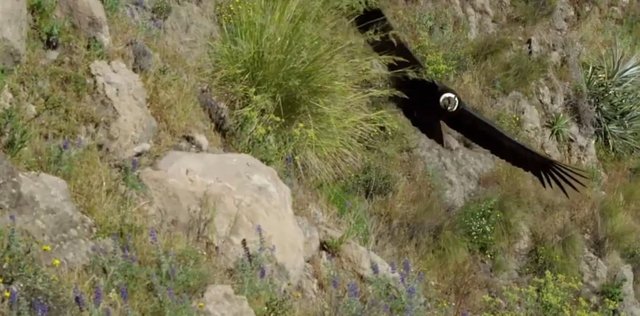
The Andean condor is a scavenger bird with a slender body of black plimas with a bare head and neck, that is, devoid of feathers.
09.-el-cóndor-dueño-del-aire-4.jpg
The male has a fleshy growth on the top of the head called a crest. And both males and females as adults present, at the base of the neck, a white feather necklace.
09.-el-cóndor-dueño-del-aire-5.jpg
The same white color that is repeated at the tip of its wings that allow it to develop a speed of up to 70 km per hour.
09.-el-cóndor-dueño-del-aire-6.jpg
And they give it that beautiful and stately appearance, even though it originally belongs to the family of vultures.

Due to their great weight they prefer to live in windy areas that allow them to fly taking advantage of air currents without great effort and reach heights of over 7,000 meters.
09.-el-cóndor-dueño-del-aire-7.jpg

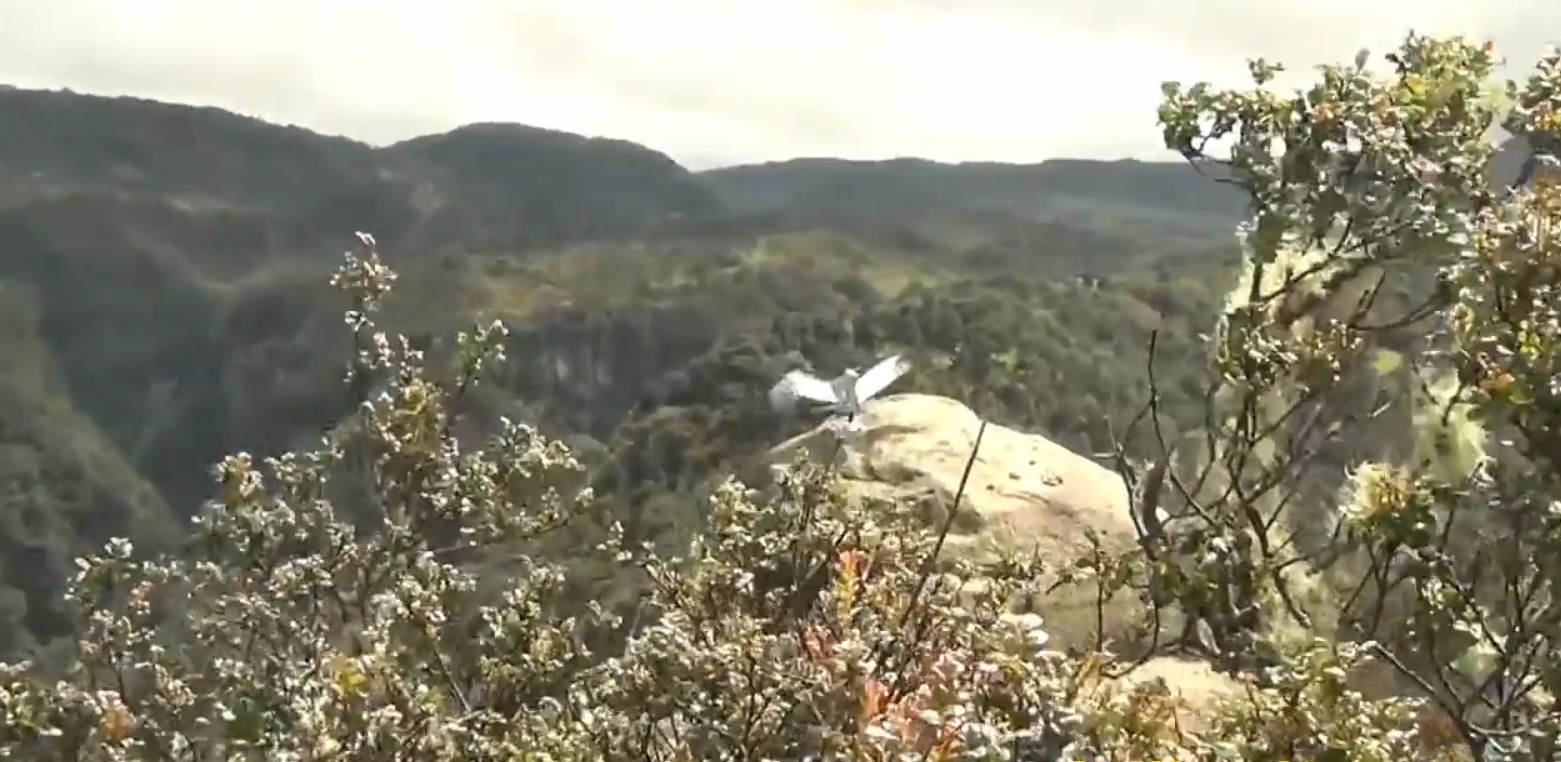
The Incas believed that the condor was immortal.

According to legend, this extraordinary bird that can live up to 75 years, when it feels old and close to death, stands on the highest peak of the mountain. It retracts its wings, gathers its legs and drops down into the bottom of the ravine, where its reign ends. But it is a symbolic death. Because it is reborn, it returns to the nest and regenerates. To start a new cycle, a new life.

09.-el-cóndor-dueño-del-aire-8.jpg


The condor symbolizes strength, intelligence, and majesty.

It is one of the most respected animals since ancient times.

They have a single calf every two years and must take care of it for a whole year. Hence all the measures taken to prevent its extinction.
09.-el-cóndor-dueño-del-aire-9.jpg

 Image Gallery.


Article originally published in: https://hive.blog/hive-169099/@argenvista/el-condor-rey-indiscutido-del-altiplano-andino-the-condor-undisputed-king-of-the-andean-highlands
 
Copyright © 2015 Argentina Photo Gallery
Distributed By Gooyaabi Templates
-->