F
Showing posts with label La Pampa. Show all posts
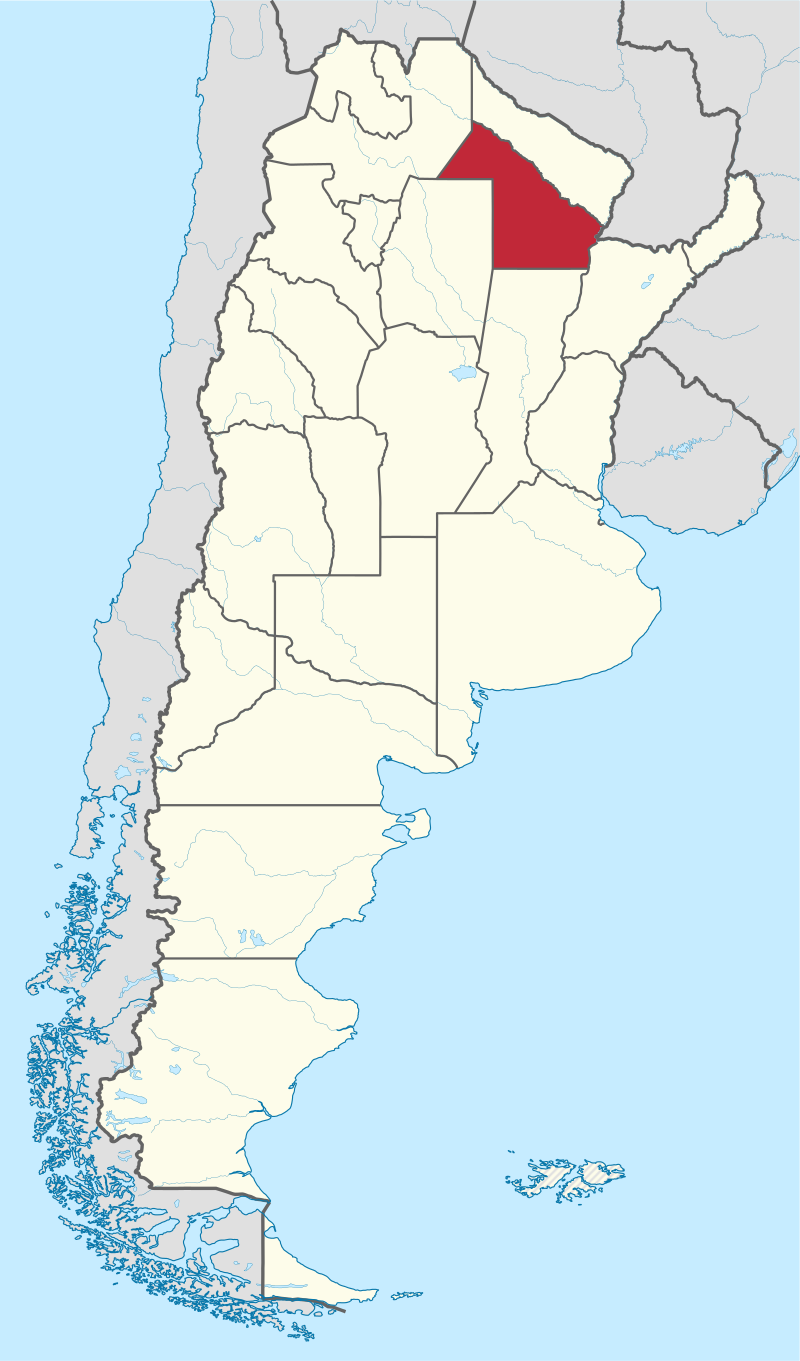
In my introduction post in the Argentine #HIVE Community I made reference to my home province, La Pampa, which I have seen again after several years of living in Europe.

When talking about La Pampa, we not only refer to the gateway to Patagonia but also to other features that characterize this province.

A little strange to tell the truth. The West begins to resemble true Patagonia. Aridity of the soil, scarcity of rains, large uncultivated areas, nonexistence of cattle.
10.-La-brama-de-los-ciervos-colorados-12.jpg
The North of the province, on the other hand, represents the best of the humid Pampa. Excellent soils, intensive crops, intensive livestock farming, etc.

But there are also some specific details.

The Parque Luro Provincial Reserve is a landmark. As well as Casa de Piedra, the Caldenal, the Utracán lagoon and other lesser-known places.

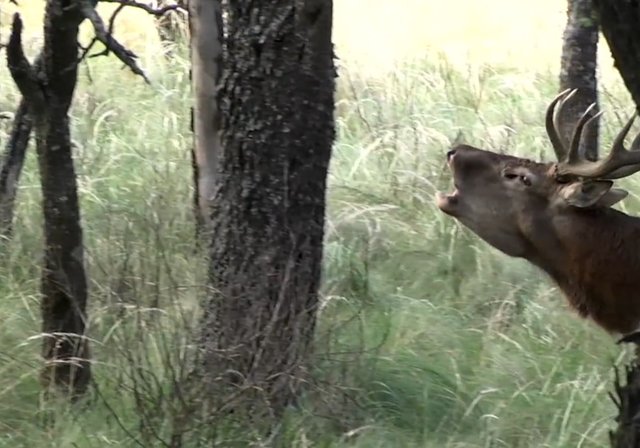
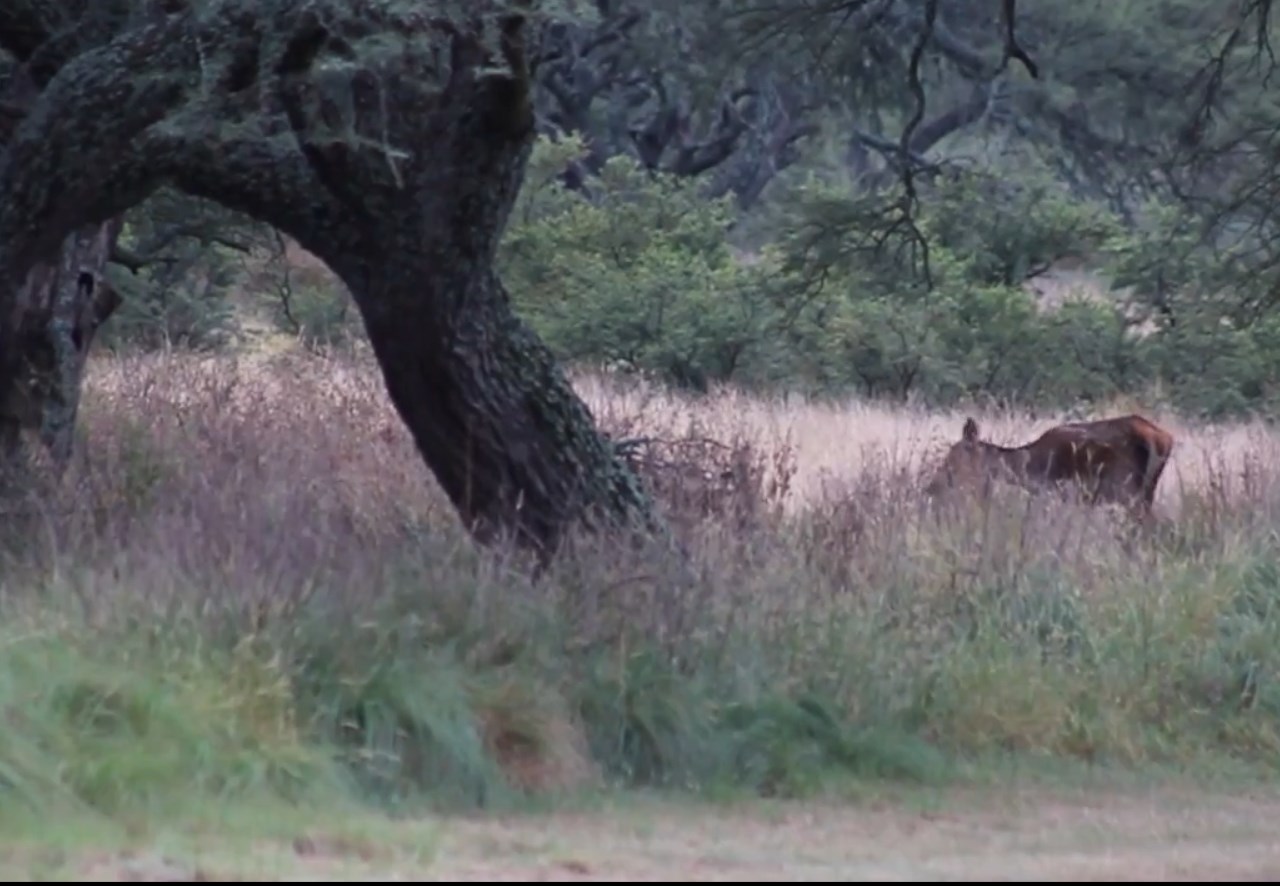
Today I am going to talk about one of the aspects that most attract attention (and concentrate the visit of numerous tourists) such as the deer bellow.
10.-La-brama-de-los-ciervos-colorados-15.jpg

What is the deer bellow?

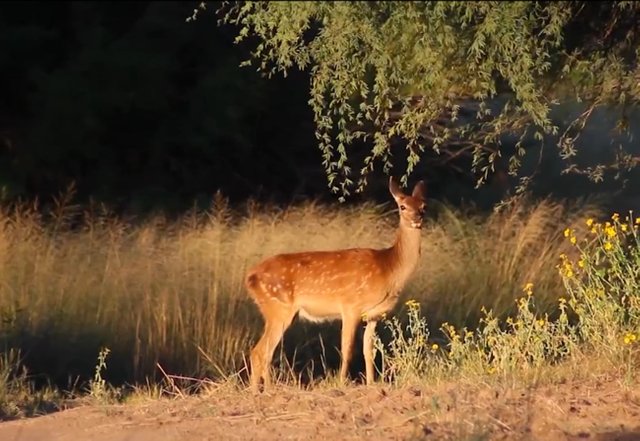
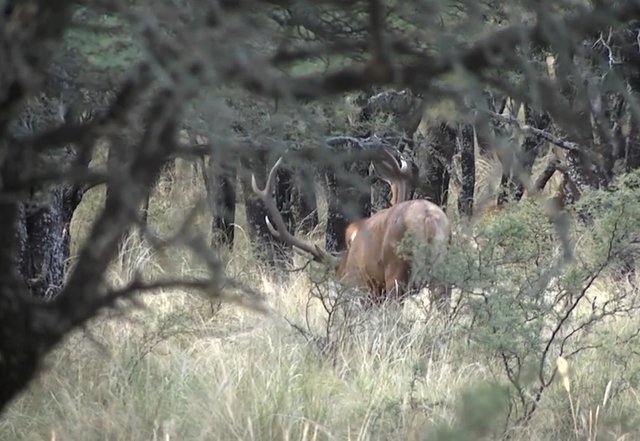
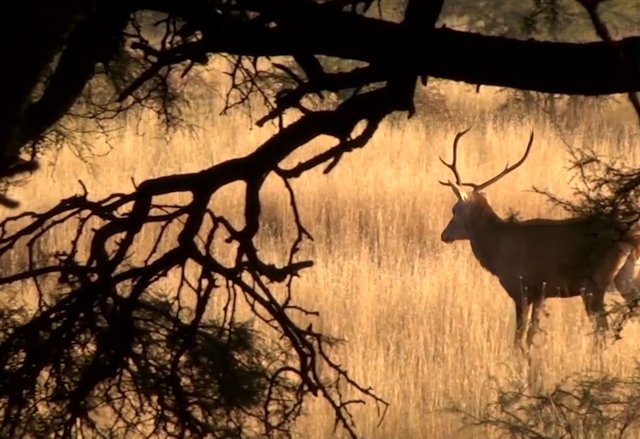
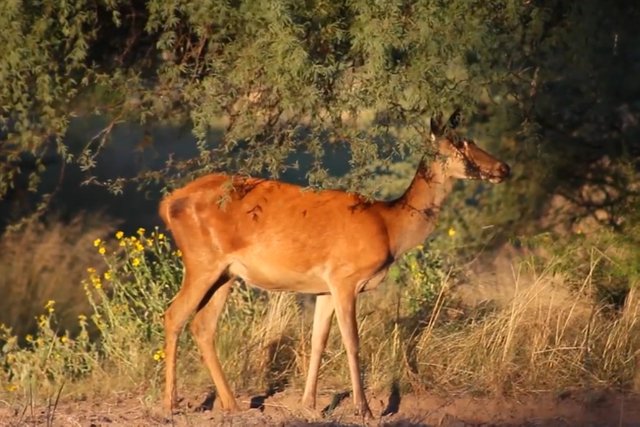
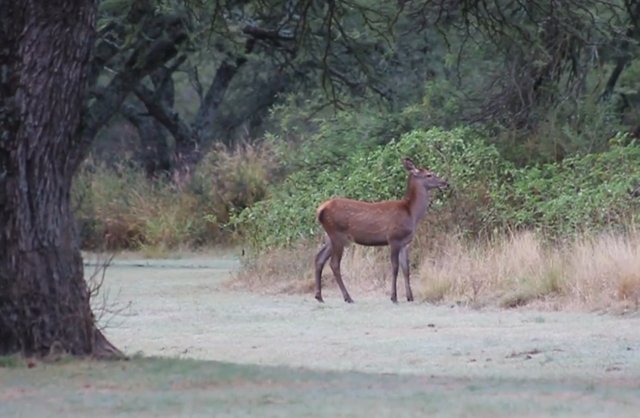
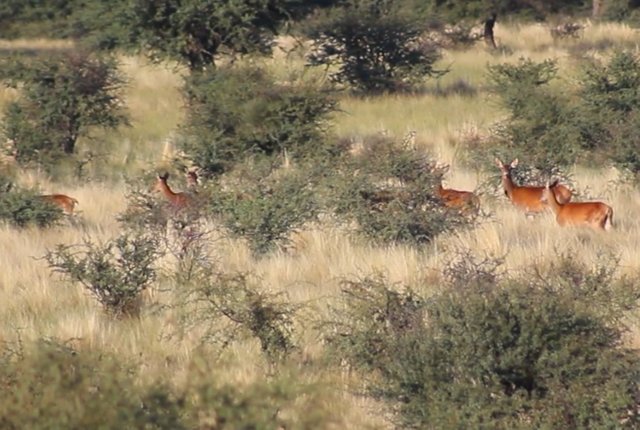
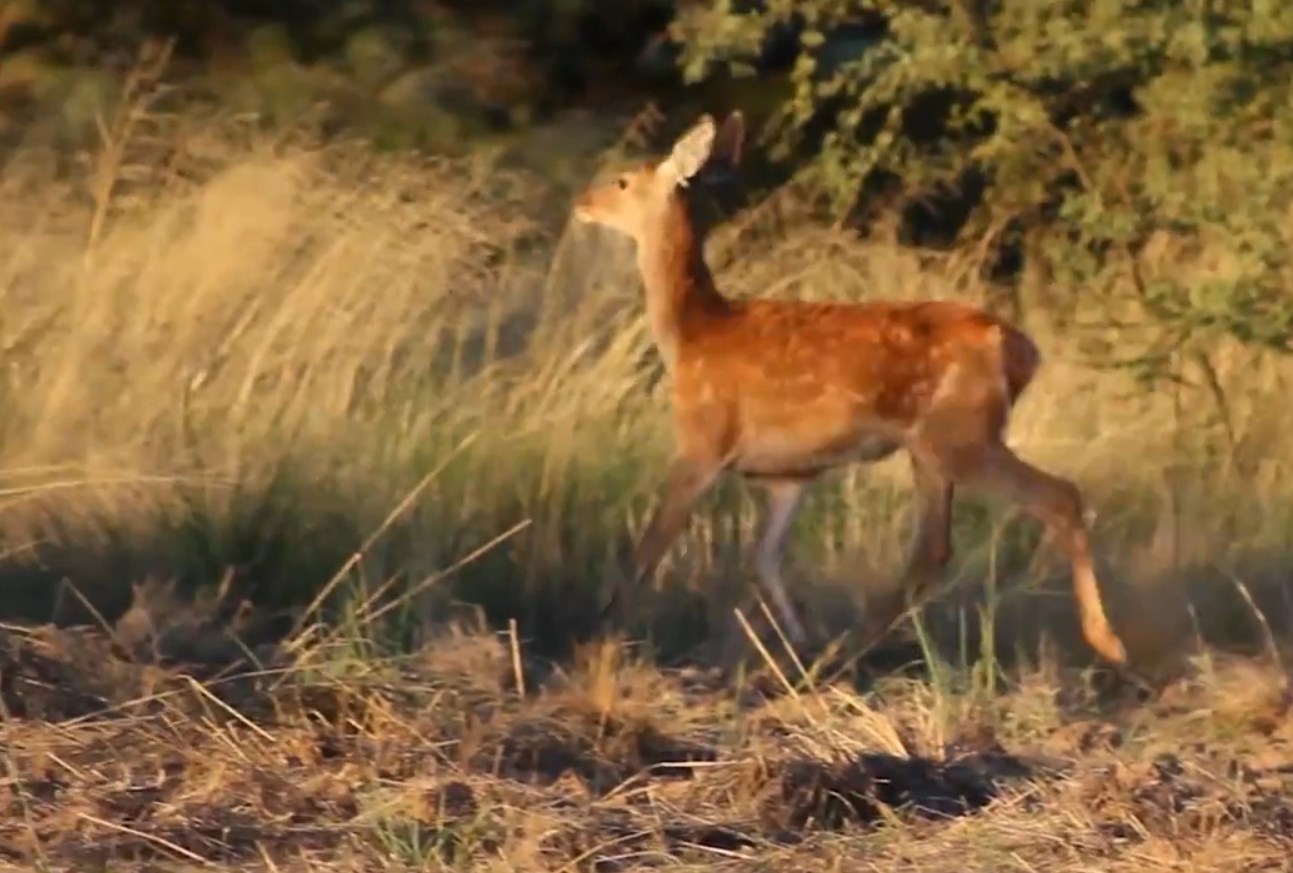
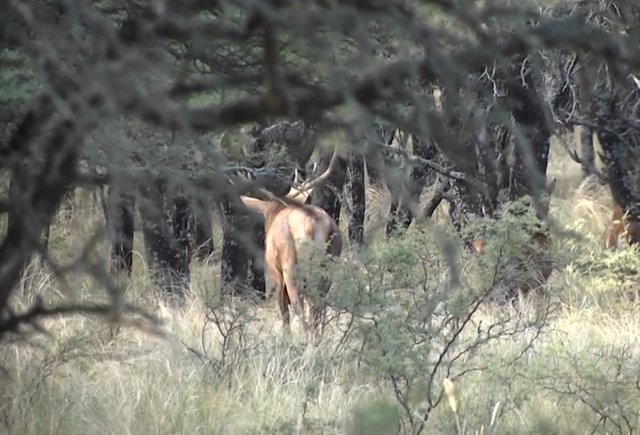
Around 1,500 red deer live in the Pedro Luro Provincial Park in the middle of the caldenes forest. The caldenal. The largest reserve of caldenes on the planet.

The bellow is the cry they emit calling the females to form their harem.

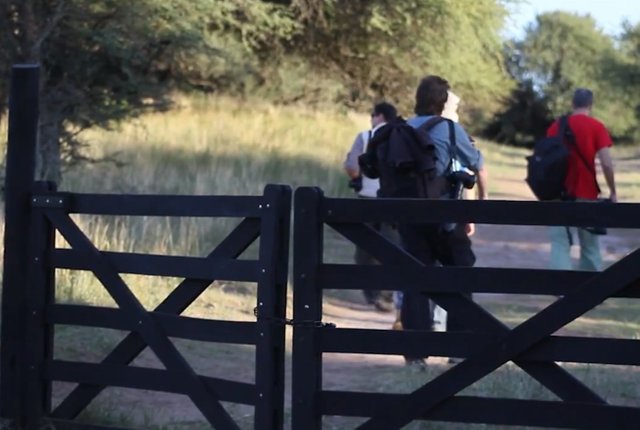
You have to be very cautious to observe this show. Because deer have a very fine nose. And if they detect the presence of intruders in the vicinity they do not gather. They don't bellow.

They are very respectful of your privacy.

Before seeing them the red deer sit down. Walking down a hill (an open path in the middle of the vegetation) suddenly you feel a scream, a very particular howl.

It is a red deer that is bellowing, that is calling the females to woo them.

The show is to see the entire herd bellowing. It is breathtaking and beautiful. It is like seeing nature reproducing itself.

The curious thing is that the concept of family as a group does not exist among red deer.
10.-La-brama-de-los-ciervos-colorados-7.jpg

A lonely life.


The male lives among males in a group of 2 or 3 maximum.

Only in the fall does he approach the females to breed them.

Between March and April a hormonal process is triggered in the females that takes them only at that time of the year to the heat period.

The bellows of the males echo in the 7,600 hectares of caldenes, piquillín, grasslands, in the caldenes forest, amid the almost 200 species of birds that inhabit the forest.

You can't sleep at night during the roar period, says one of the park rangers.

During this period, males hardly eat. They spend their days bellowing, copulating with the females they have earned and fighting among themselves.

Sometimes they become entangled in their own antlers and, unable to unlock them, die. Tired to infinity. Resigned to their own destiny.
Source: https://hive.blog/hive-169099/@belen0949/la-brama-del-ciervo-colorado-amo-y-senor-del-bosque-pampeano-the-bellow-of-the-red-deer-master-and-lord-of-the-pampas-forest-esp

13.-Avistaje-de-aves-en-el-Parque-Luro-5.jpg
La Pampa is not a province of great tourist attractions.

Most people think of hunting (major or minor) when someone refers to the Pampa soil. Wild boar pigs, red deer, with due restrictions and other smaller species.

Even foreign tourists who come purely and exclusively to spend their holidays in hunting grounds.

However there are two beautiful activities to spend a long weekend or a short vacation.
13.-Avistaje-de-aves-en-el-Parque-Luro-10.jpg

Deer Breech and Bird Watching.

I already talked about one of them in a previous post, it is the ** [Red Deer Brama.] (Https://hive.blog/hive-120586/@belen0949/mousse-de-chocolate-con-flores-de -azucar-chocolate-mousse-with-sugar-flowers-esp-eng) **

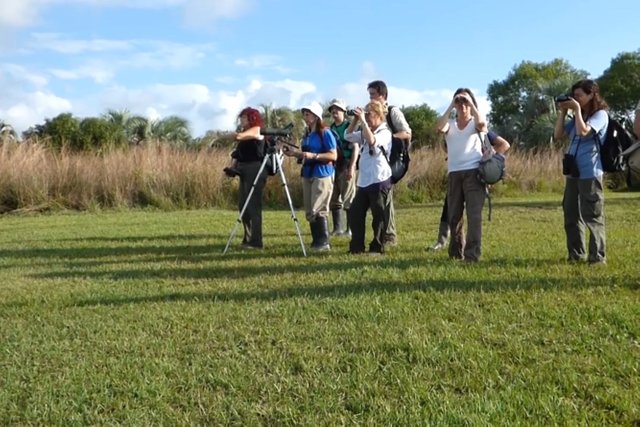
What many do not know is that, in parallel to the red deer roar, they can enjoy the particular charm of the ** Birdwatching in the Pampas. **

As a consequence of the numerous water wells and springs that have appeared in La Pampa in recent years, not only have new and numerous animals been appearing that have established their habitat in this area.

13.-Avistaje-de-aves-en-el-Parque-Luro-grupo.jpgNumerous species of birds favored by the continuous development of the caldenal (calden forests), which abound in this province, protected by provincial law, have also gradually been incorporated.

According to the last census carried out by [Aves Argentinas] (https://www.avesargentinas.org.ar) more than 30% of the species are found in the Pampas.

Many of these beautiful birds go unnoticed in our daily lives, without paying the slightest attention to them.

Enjoying a weekend to observe them is not only a good hobby. It is both instructive and didactic. And it serves to improve us as people.

After having observed the Brama of the Deer we dedicated pou for a couple of days to the Bird Watching.

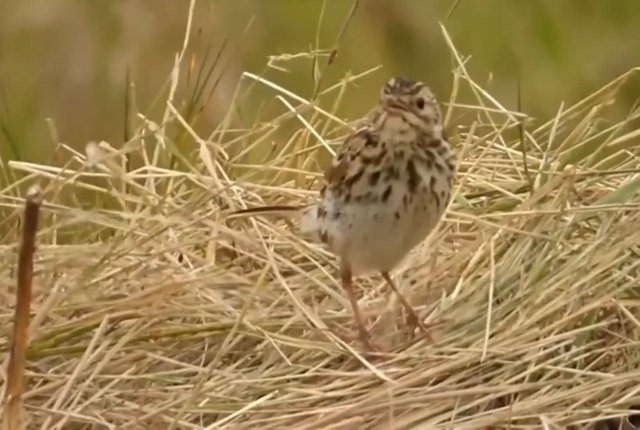
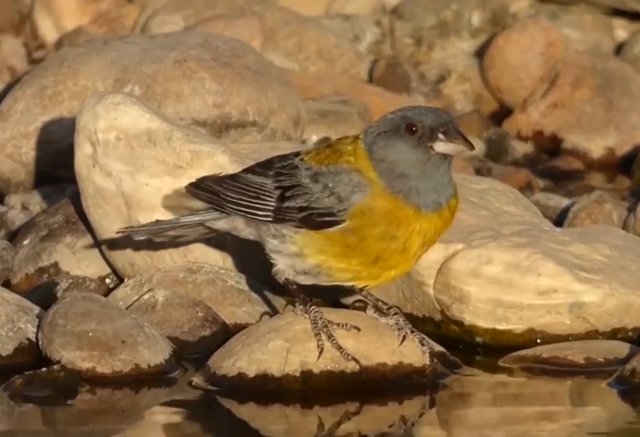
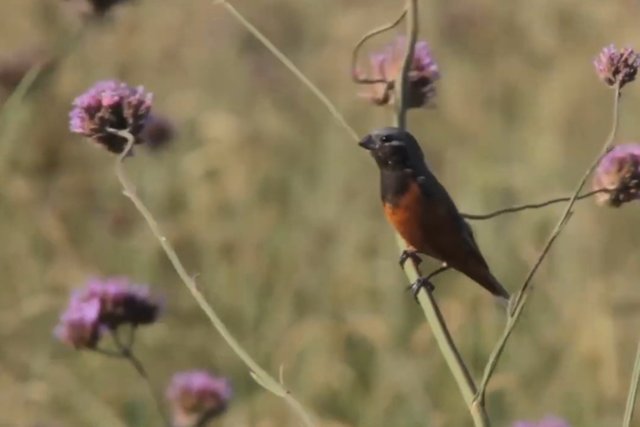
The photos in this post.
13.-Avistaje-de-aves-en-el-Parque-Luro-15.jpg

The most wanted birds.

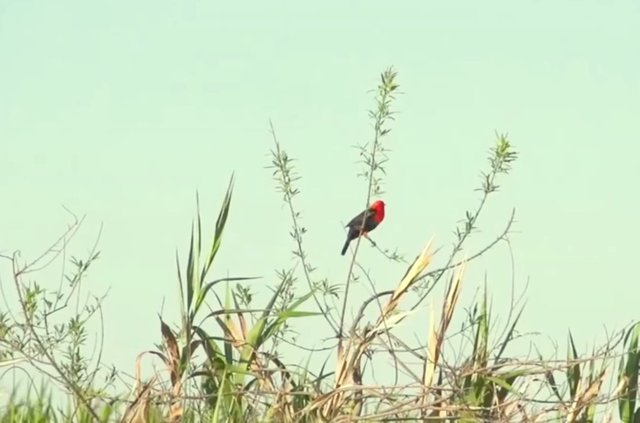
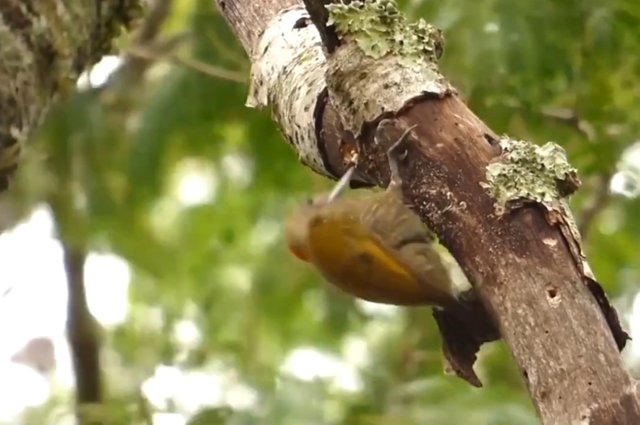
The Churrinche or Brasita de Fuego for its intense red color is one of the most sought after birds.

Legend has it that a cacique wounded by the conquerors preferred to commit suicide by opening his chest with a knife before falling prisoner.

There are some species that are in danger of extinction such as the ** yellow cardinal ** and the ** cinnamon monterita **.

For this reason, sightings must be organized so as not to disturb their natural habitat.

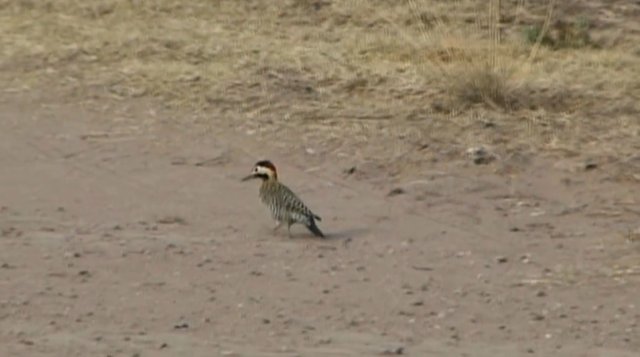
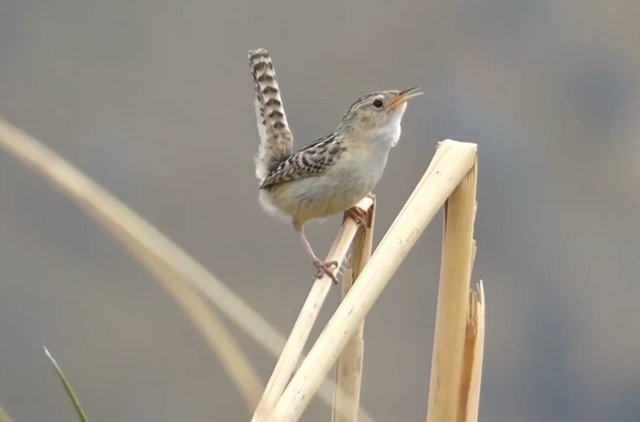
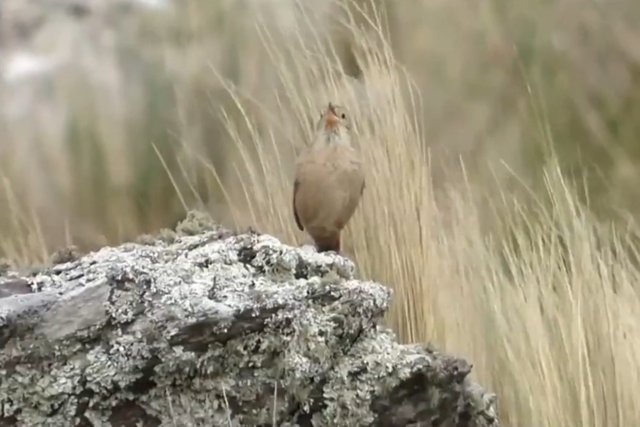
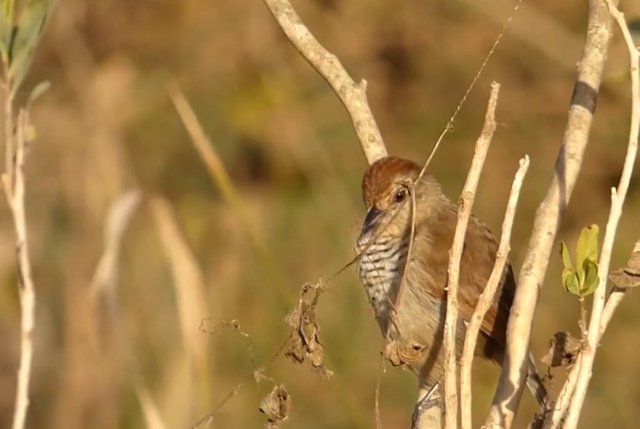
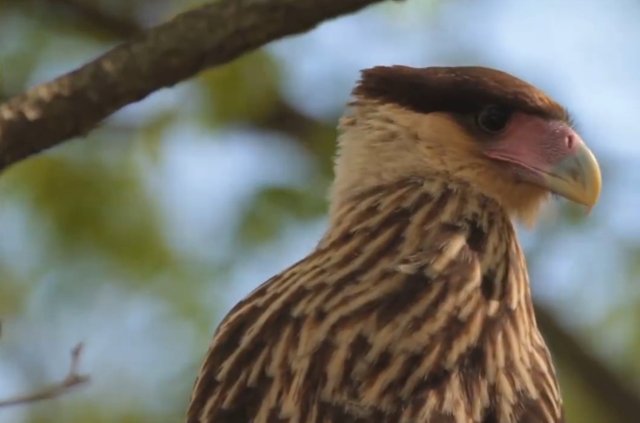
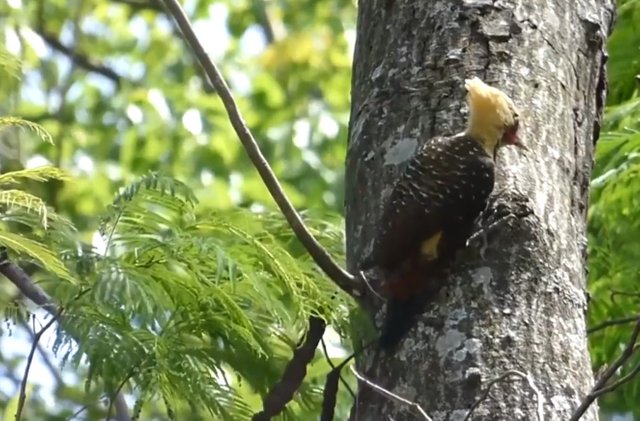
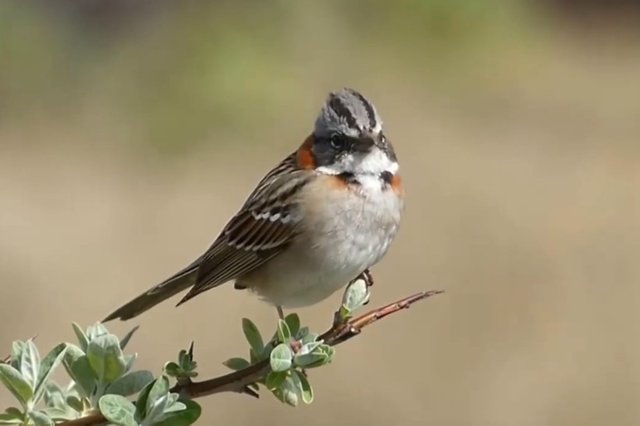
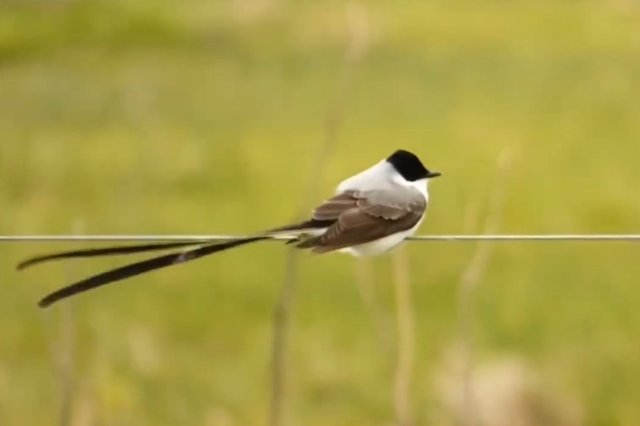
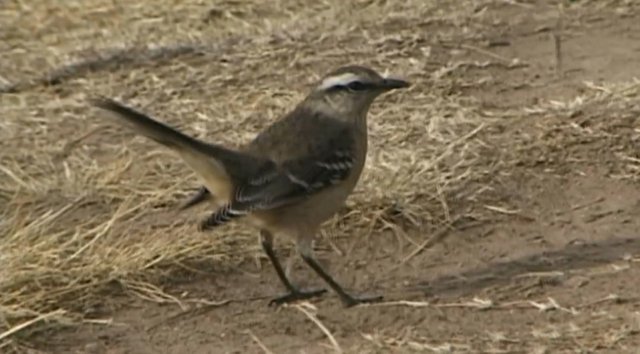
Other species that can be seen are: ** the orange grove, the misto, the goldfinch, various species of pigeons and woodpeckers, the musician thrush, the collared monterita, the common necktie, the chalchalero thrush, the white nun, the benteveo common, the blue tacuarita, the common mouse and the little black head among many other varieties.

Lihué Calel means ‘mountain range of life’ in the Araucano tongue and it is the name of the mountain range system located in the center-south of the Province of La Pampa, on National Route 152, 120 kilometers southwest of General Acha and 220 kilometers from Santa Rosa.

Created in 1977, in comprises an area of 10,934 hectares, with a maximum elevation of 590 meters. The hills are rocky volcanic formations of Precambrian origin that may be visited through authorized paths.

Though rainfalls are scarce, the mountain range encourages the accumulation of water and thus there is plentiful wildlife in the area.

Logo Lihue Calel Nature Reserve.

The area.


The area was invaded by wild boar and red deer, which altered the ecosystem in spite of the controls
carried out by the National Parks Administration.


It is logical that this is the case, because water is more abundant than in the surrounding areas and the mountain ranges offer a very favorable habitat for vertebrates and invertebrates.

The abundance of the flora generates wealth of fauna, and both resources benefit from the microclimate of the Park.

The felines.


The felines, especially the puma (Puma concolor), find refuge in the park because poaching in the surrounding fields is practiced assiduously.

Together with the puma, three wild cats show off their agility and excellence: the Moor or Yaguarundi (Herpailurus yaguarondi), the Pajonal (Lynchailurus pajeros) and the Wild (Oncifelis geoffroyi).
Read also: Utracán Lagoon is one of the most important centers of tourism mini pampas.

Other species.


Lihué Calel has species that are only present in this protected area within the national system.
This is the case of the Lesser Pichiciego (Chlamyphorus truncatus), the Patagonian weasel (MaraLestodelphys halli), the varied straw-colored mouse (Akodon molinae) and the Pampa digger mouse (Necromys obscurus).


In a special situation you would find the rat vizcacha salinera (Tympanoctomys barrerae) that could be found in Lihué Calel, although this requires confirmation. Its presence is likely in the recently annexed area of ​​Salitral Levalle.

It is remarkable the presence of the small skunk (Conepatus castaneus) only present in this Park and in the Sierra de las Quijadas.


Two foxes, the small gray (Dusicyon griseus) and the gray pampeano (Dusicyon gymnocercus) are in the area together with the smaller ferret (Galictis cuja).
Small Gray -  Zorro Gris - (Dusicyon griseus).

The guanaco (Lama guanicoe) has found an excellent refuge in these mountains, given that its population increased when compared to what was at the time of creation of the Park. The mara (Dolichotis patagonum) is rare but its presence in the Park can be confirmed.
Guanaco (Lama guanicoe) 

Several species of mice, bats (little studied) and the vizcacha (Lagostomus maximus) Guanaco on alert complete the list of 27 species of mammals of Lihué Calel.
The Lihue Calel Nature Reserve is an authentic oasis that holds many surprises in terms of fauna.Click to Tweet
Birds.
A bird that abounds in La Pampa and that is part of the emblem of the National Park Lihué Calel is the Cock coquetón (Rhinocrypta lanceolata).

It is logical that he can be seen walking or doing short runs in clear areas or roads, but much more common is to hear them vocalize among the thorny bushes or in the few trees.
 Gallito Copetón . (Rhinocrypta lanceolata)


It is not an easy bird to photograph, it always tries to hide, but there are so many and with some perseverance some specimens give photographers some snapshots.
Churrinche (Pyrocephalus rubinus).

This copy was quite close and are the best I could take last November 7 on my last visit to the park.

Perdiz Copetona or Martineta (Rhynchotus rufescens).
Curutié (Certhiaxis cinnamomeus).


Calandria mora (Mimus patagonicus).

In Argentina it is called province to the states that make up the nation, according to the principles of federalism established in the Constitution. Legally Argentina is a federation of provinces and maintained by constitutional mandate the historical names of United River Plate and Argentina Confederation Provinces, in addition to the more usual Argentina.
 
Argentine provinces govern themselves, they write their own constitutions and have executive, legislative and judicial powers themselves, including their own provincial police. Fourteen of them are historically and legally existed prior to the current national organization, and with nine subsequently created exclusively retain all powers not expressly delegated to the Nation in the Constitution.
Official name:
Argentinian republic
Total area:
3,761,274 km2
Sup. Americas
2,791,810 km2
Sup. Antarctic Continent
969,464 km2
Capital:
Autonomous City of Buenos Aires
Political division:
1 autonomous city and 23 provinces
Government:
Republican Representative and Federal
Population:
40,117,096 inhabitants. 2010 Census.
Language:
Spanish
Monetary unit:
Weight
Autonomous City of Buenos Aires.
Capital
Capital City of Argentina
Surface:
200 km2
Population:
2890151 hab.
Argentine provinces.
BUENOS AIRES.
Capital city
La Plata
Surface:
307,571 km2
Population:
15625084 hab.
CATAMARCA.
Capital city
San Fernando del Valle de Catamarca
Surface:
102,602 km2
Population:
367,828 hab.
CHACO.
Capital city
Resistance
Surface:
99,633 km2
Population:
1055259 hab.
CHUBUT.
Capital city
Rawson
Surface:
224,686 km2
Population:
509,108 hab.
Read also: Argentina is composed of nine geographical regions.
CORDOVA
Capital city
Cordova
Surface:
165,321 km2
Population:
3308876 hab.
CURRENTS.
Capital city
currents
Surface:
88,199 km2
Population:
992,595 hab.
BETWEEN RIVERS.
Capital city
Paraná
Surface:
78,781 km2
Population:
1235994 hab.
FORMOSA.
Capital city
Formosa
Surface:
72,066 km2
Population:
530,162 hab.
JUJUY.
Capital city
San Salvador de Jujuy
Surface:
53,219 km2
Population:
673,307 hab.
THE PAMPA.
Capital city
Saint Rose
Surface:
143.440 km2
Population:
318,951 hab.
THE RIOJA.
Capital city
The Rioja
Surface:
89,680 km2
Population:
333,642 hab.
MENDOZA.
Capital city
Mendoza
Surface:
148,827 km2
Population:
1738929 hab.
MISSIONS.
Capital city
posadas
Surface:
29,801 km2
Population:
788,915 hab.
NEUQUÉN.
Capital city
Neuquén
Surface:
94,078 km2
Population:
388,833 hab.
BLACK RIVER.
Capital city
Viedma
Surface:
203,013 km2
Population:
638,645 hab.
SALTA.
Capital city
Salta
Surface:
155,488 km2
Population:
1214441 hab.
SAN JUAN.
Capital city
San Juan
Surface:
89.651 km2
Population:
681,055 hab.
SAINT LOUIS.
Capital city
saint Louis
Surface:
76,748 km2
Population:
432,310 hab.
SANTA CRUZ.
Capital city
Rio Gallegos
Surface:
243,943 km2
Population:
273,964 hab.
SANTA FE.
Capital city
Santa Fe
Surface:
133,007 km2
Population:
3194537 hab.
SANTIAGO DEL ESTERO.
Capital city
Santiago del Estero
Surface:
136,351 km2
Population:
874,006 hab.
TUCUMÁN.
Capital city
San Miguel de Tucuman
Surface:
22,524 km2
Population:
1448200 hab.
TIERRA DEL FUEGO, Antarctica and South Atlantic Islands
Capital city
Ushuaia
Total area:
1,002,445 km2
Sup. Antartida
965,597 km2
Sup. Austral Islands
3867 km2
Population:
127,205 hab.
Bibliography:
  • IGN: Values ​​calculated on surface mapping at 1: 500,000
  • INDEC: Facts Conclusive population Census Population and Housing 2010.
  • Immagini: Wikipedia
If you liked this article, subscribe to the feed by clicking the image below to keep informed about new contents of the blog:
rss-icon-feed1
 
Copyright © 2015 Argentina Photo Gallery
Distributed By Gooyaabi Templates
-->