F
Showing posts with label Chaco. Show all posts
It is one of the little explored places in the country, but it is worth knowing. The new park, of 128 thousand hectares, now represents the largest reserve in northern Argentina.

It is very difficult to find a degree of biodiversity as pure as that seen in El Impenetrable National Park.

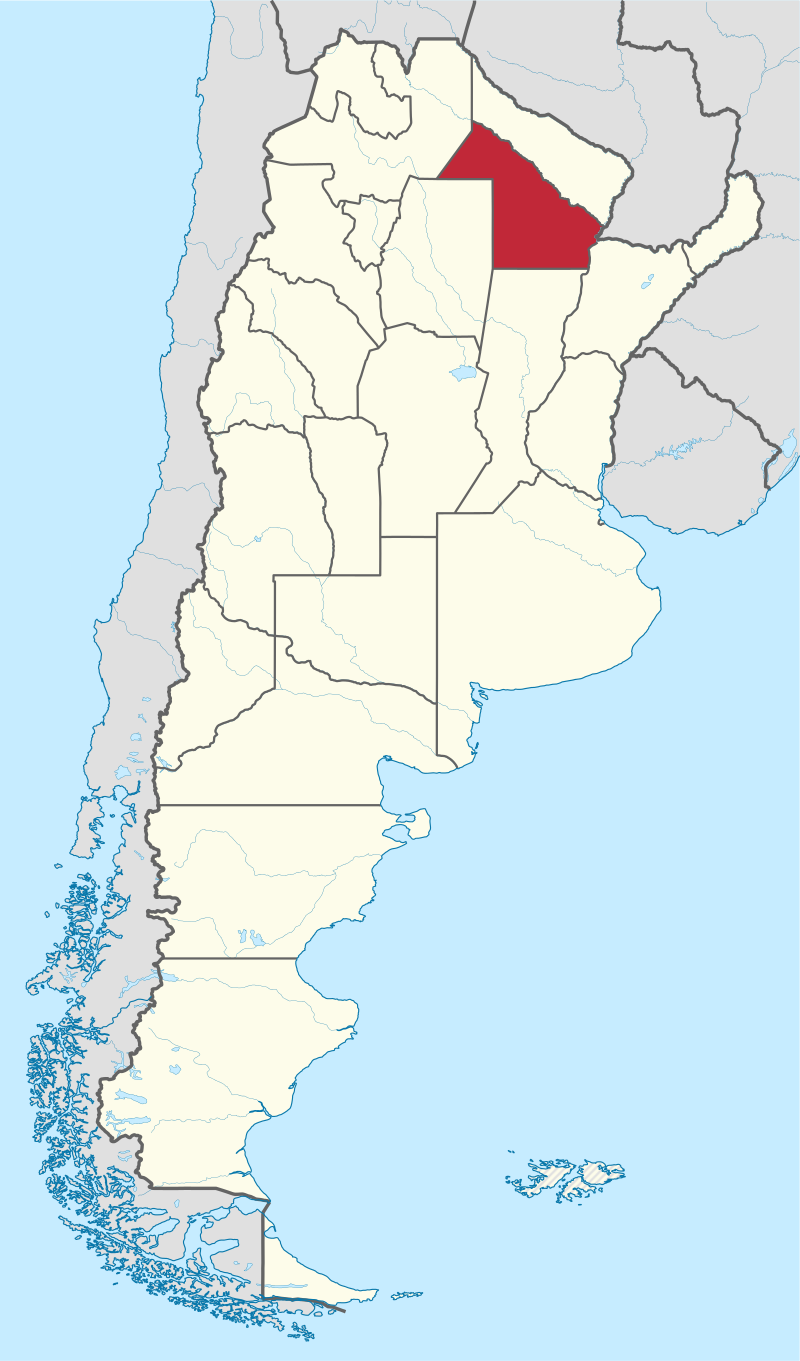
The national park is part of what Estancia La Fidelidad used to be and extends between the provinces of Chaco and Formosa, covering an area of ​​250,000 hectares, divided by the Bermejo river.

The origin of its name lies in the difficulty of entering the area. Nature is diverse.

Lush forests. Ancient trees and mammals of exuberant beauty form the recent El Impenetrable National Park, the largest in northern Argentina.
Its 128,000 hectares make it the largest national park in northern Argentina.

The Impenetrable is a must-see for lovers of hiking and nature.

Under the premise of preserving the Chaco forest and the diverse species of flora and fauna that inhabit it, National Parks protects its 130,000 hectares from times prior to its creation, in 2017.

Why should we know this place?

The Impenetrable today constitutes one of the few, best preserved and largest green lungs in Latin America.
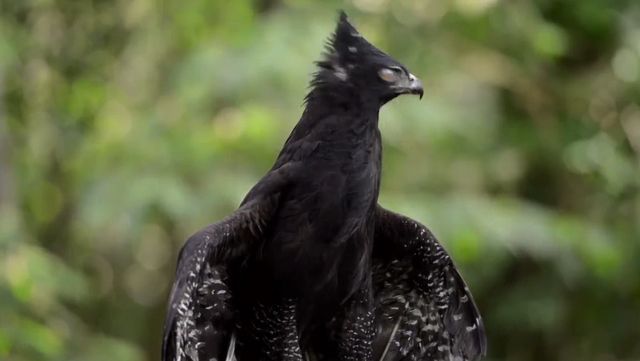
For many years, the site was used as a sports hunting ground. Domestic animals, indiscriminate logging and hunting put their biodiversity and ecological sustainability in check, causing the extinction of many species and the decrease of others, such as the jaguar, anteater, tapir and crowned eagle, among others.

Entering the park implies observing the life of the forest and the interaction between its inhabitants, as well as finding out about the importance of its preservation, both for the species and for the health of the planet.

Location.

The Impenetrable is located within the Gran Chaco ecoregion, which also extends to the Northwest of Córdoba and in the countries of Bolivia and Paraguay.
It is the third largest forest area in South America, after the Amazon and the Cerrado, in Brazil.
The brand new National Park protects the last redoubt of virgin forest, the third in importance in South America.
Tourist promotion of the park is presented as an alternative to traditional economic activities in the area. An example is the replacement of livestock with the sustainable creation of non-wood products, such as bush honey, carob flour and crafts in chaguar.
It is very clear that preserving and producing is possible.

The National Parks constitute the most important protected natural areas in Argentina.

They conserve biodiversity and ecosystems; they protect paleontological and archaeological sites; they promote environmental education, scientific research and nature tourism.
We start touring the El Impenetrable National Park.

Fauna.

The Impenetrable, thanks to its recovery, became the ideal habitat for many critically endangered species and others threatened with extinction, such as the yaguareté, the carreta tatú, three types of peccaries, the anteater, the crowned eagle and the boa rainbow.
The yarará is a poisonous snake native to South America.
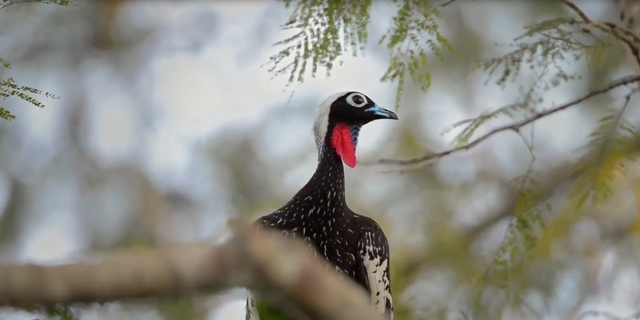
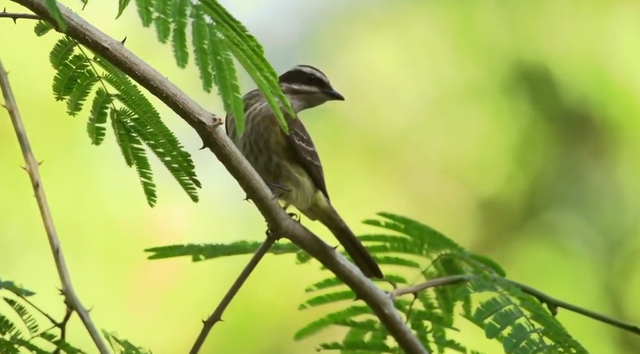
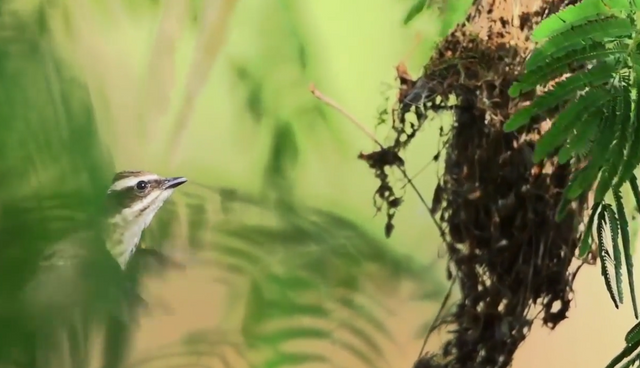
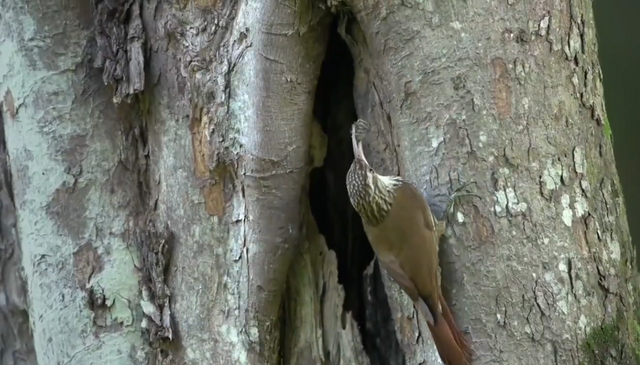
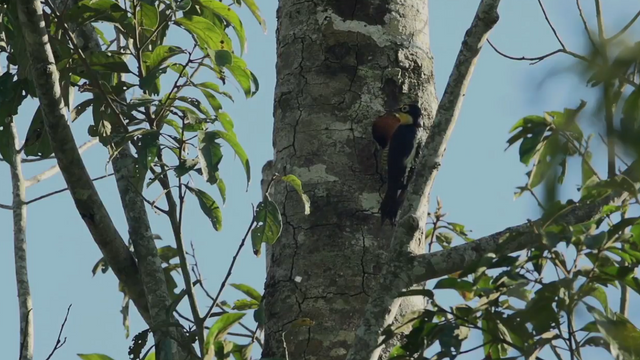
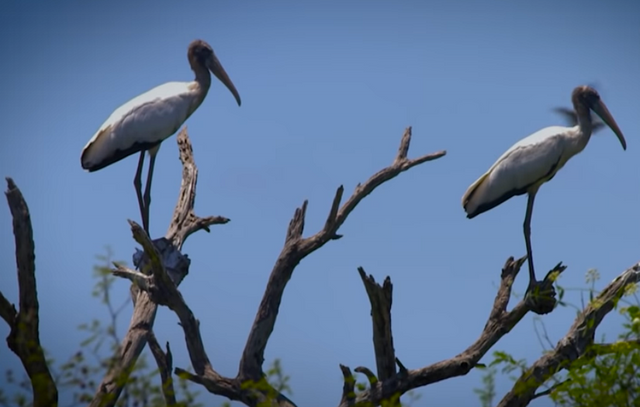
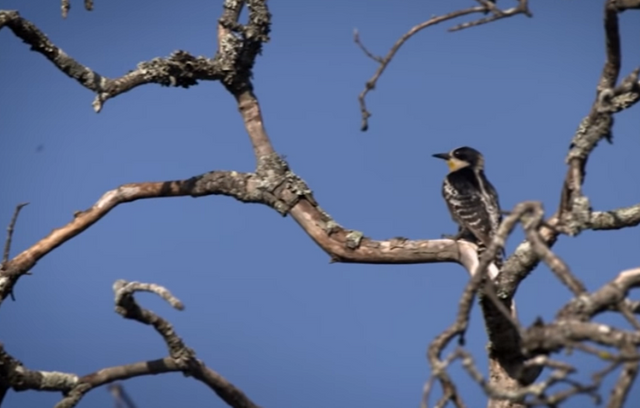
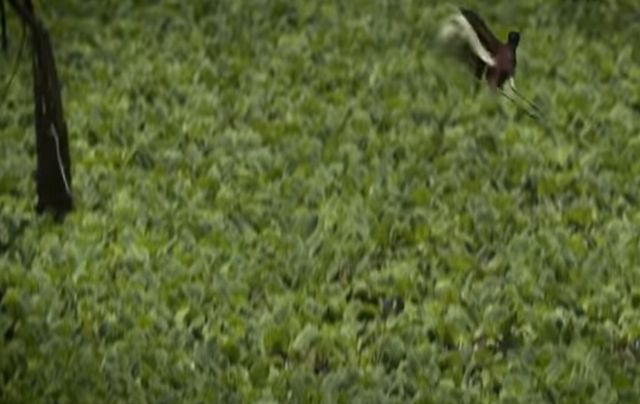
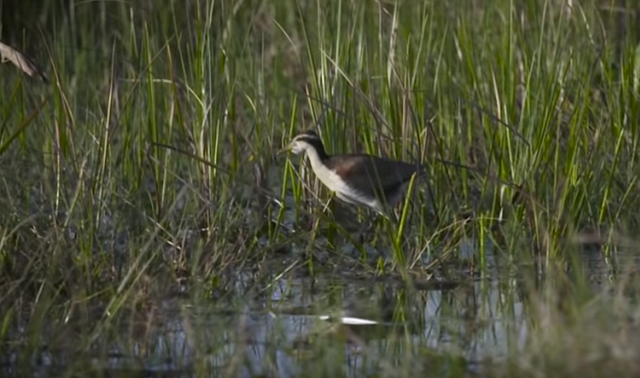
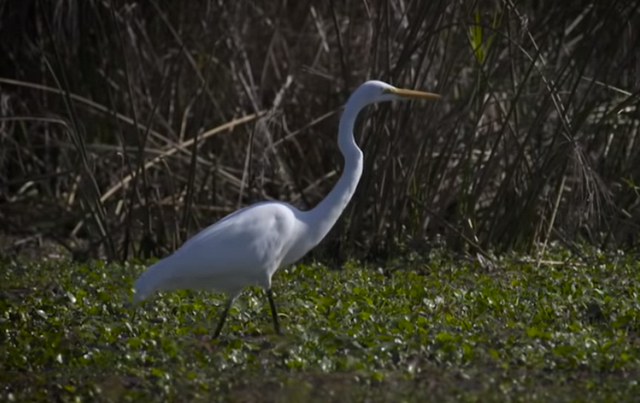
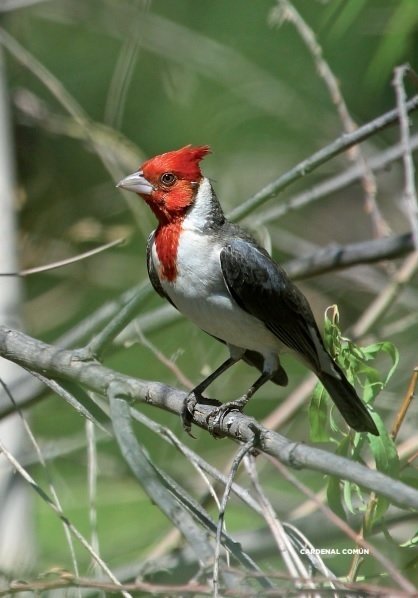
The high biodiversity and native forest of this nature reserve, which is in a very good state of conservation, is home to hundreds of species of birds, including the yabiré, the talking parrot, the black woodpecker, the charata, the rayador and the espinero fron reddish.
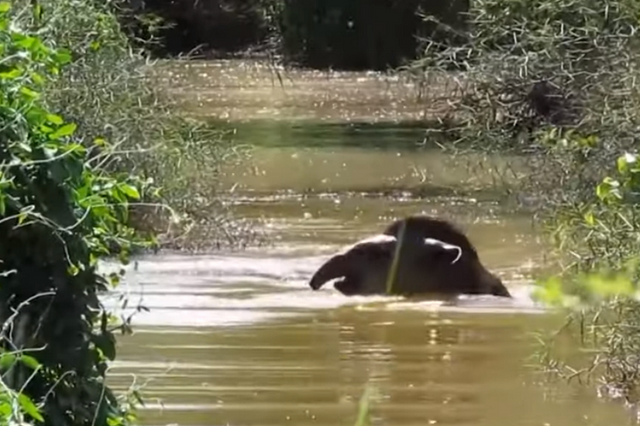
The Impenetrable houses endangered fauna such as the jaguar, the anteater, the tapir.

Flora.

In the El Impenetrable National Park there are carob forests. The quebrachos white and red from Santiago stand out.

Other species of the tree canopy are the palo santo, mistol, viraró, itín, moradillo, saucillo, molle, talas, chañar, Capparis, the drunk palo de flor blanca or yuchán and large cactus.
A specimen of drunk stick round tree top and beautiful flowers.
The albardones that border the Bermejo river abound with forests of river alder, Creole willow, and yellowwood. Somewhat farther from the river there are examples of soap stick and stone stick.
The carob tree is the most widespread tree in El Impenetrable and the most subject to illegal logging.
The quimilero peccary is the largest in the country and an exclusive species in the Chaco region that is in serious danger of extinction, mainly due to hunting and the disappearance of its habitat.
The Chaco land tortoise inhabits semi-arid chaco forests.
The Chaco region is the second largest block of forests in South America after the best-known Amazon region.
Snakes, tapirs, peccaries, corzuelas (fawns), rheas and all kinds of animals walk in herds still elusive
The trips to the center of the Argentine jungle were the inspiration for the famous storyteller Horacio Quiroga to write his successful anthology "Tales from the jungle", a work that realistically shows the variety of animals that populate the impenetrable missionary and Chaco forest.
There are around 40 national parks, and there are hundreds of protected properties, at least in theory, under provincial, municipal and even privately managed jurisdictions.
Before choosing your binocular model of any brand, the following should be kept in mind: All binoculars have two numbers printed on their body, for example "8 x 40", the first number indicates the increases and the second the diameter.

When we talk about magnification, we are referring to the number of times the observed object will bring us closer.
Birdwatching is a practice that I started at an early age. Being outdoors to recreate with the diversity of birdlife that hides among the forests, steppes, fallow lands, coastal lagoons, salt marshes or marshes, among other habitats, is enriching, relaxing and healthy.

Birdwatching in Argentina [#2]: Punta Tombo Reserve, The Iguazú and The Impenetrable National Parks.

To know the range, we will have to divide the distance at which the bird is, for example 30 meters by this first number, in this case the count will be 30/8 which gives us 3.75, that is, we will see the bird as if was less than four meters away.
01.-avistaje-de-aves-en-la-argentina-(#1).jpeg

As a general rule of thumb for bird watching it is suggested that the magnification is not less than 7 and not more than 10. With greater magnifications the visual field decreases and the image begins to move requiring the support of a tripod. Zoom binoculars are not recommended. Neither are those with night visibility. 

The second number in this case "40" refers to the diameter of the lenses and this has to do with light collection, the more diameter the better light collection and this will allow us to observe better details.

For shady places like jungles or forests this is very important. As the diameter of the lens decreases, the luminosity decreases and the angle of vision or visual field narrows. It should be added here that binoculars with 50mm lenses are usually quite heavy although the more expensive brands currently use lighter and stronger materials. It will be necessary to evaluate then the average between distance and luminosity, this is called "exit pupil", this is done by dividing the diameter by the increases.
02.-avistaje-de-aves-en-la-argentina-(#2).jpg
Before choosing your binocular model of any brand, the following should be kept in mind: All binoculars have two numbers printed on their body, for example "8 x 40", the first number indicates the increases and the second the diameter. When we talk about magnification, we are referring to the number of times the observed object will bring us closer. To know the range, we will have to divide the distance at which the bird is, for example 30 meters by this first number, in this case the count will be 30/8 which gives us 3.75, that is, we will see the bird as if was less than four meters away.

As a general rule of thumb for bird watching it is suggested that the magnification is not less than 7 and not more than 10. With greater magnifications the visual field decreases and the image begins to move requiring the support of a tripod. Zoom binoculars are not recommended. Neither are those with night visibility. The second number in this case "40" refers to the diameter of the lenses and this has to do with light collection, the more diameter the better light collection and this will allow us to observe better details.

For shady places like jungles or forests this is very important. As the diameter of the lens decreases, the luminosity decreases and the angle of vision or visual field narrows. It should be added here that binoculars with 50mm lenses are usually quite heavy although the more expensive brands currently use lighter and stronger materials. It will be necessary to evaluate then the average between distance and luminosity, this is called "exit pupil", this is done by dividing the diameter by the increases.
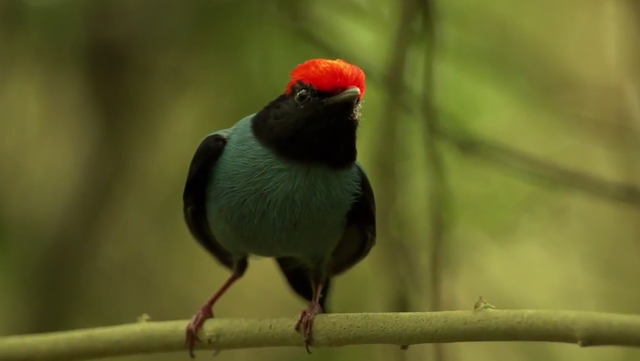
13.-Iguazú-Bailarin-Azul-9.png
Before choosing your binocular model of any brand, the following should be kept in mind: All binoculars have two numbers printed on their body, for example "8 x 40", the first number indicates the increases and the second the diameter. 

When we talk about magnification, we are referring to the number of times the observed object will bring us closer. To know the range, we will have to divide the distance at which the bird is, for example 30 meters by this first number, in this case the count will be 30/8 which gives us 3.75, that is, we will see the bird as if was less than four meters away. 

As a general rule of thumb for bird watching it is suggested that the magnification is not less than 7 and not more than 10. With greater magnifications the visual field decreases and the image begins to move requiring the support of a tripod. Zoom binoculars are not recommended. Neither are those with night visibility.

Before choosing your binocular model of any brand, the following should be kept in mind: All binoculars have two numbers printed on their body, for example "8 x 40", the first number indicates the increases and the second the diameter. When we talk about magnification, we are referring to the number of times the observed object will bring us closer. 

To know the range, we will have to divide the distance at which the bird is, for example 30 meters by this first number, in this case the count will be 30/8 which gives us 3.75, that is, we will see the bird as if was less than four meters away. 

As a general rule of thumb for bird watching it is suggested that the magnification is not less than 7 and not more than 10. With greater magnifications the visual field decreases and the image begins to move requiring the support of a tripod. Zoom binoculars are not recommended. Neither are those with night visibility. 

The second number in this case "40" refers to the diameter of the lenses and this has to do with light collection, the more diameter the better light collection and this will allow us to observe better details. For shady places like jungles or forests this is very important.

As the diameter of the lens decreases, the luminosity decreases and the angle of vision or visual field narrows. It should be added here that binoculars with 50mm lenses are usually quite heavy although the more expensive brands currently use lighter and stronger materials. It will be necessary to evaluate then the average between distance and luminosity, this is called "exit pupil", this is done by dividing the diameter by the increases.

The second number in this case "40" refers to the diameter of the lenses and this has to do with light collection, the more diameter the better light collection and this will allow us to observe better details. For shady places like jungles or forests this is very important. As the diameter of the lens decreases, the luminosity decreases and the angle of vision or visual field narrows.

It should be added here that binoculars with 50mm lenses are usually quite heavy although the more expensive brands currently use lighter and stronger materials. It will be necessary to evaluate then the average between distance and luminosity, this is called "exit pupil", this is done by dividing the diameter by the increases.

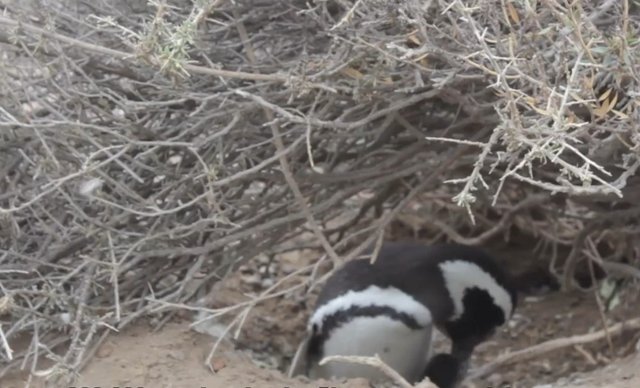
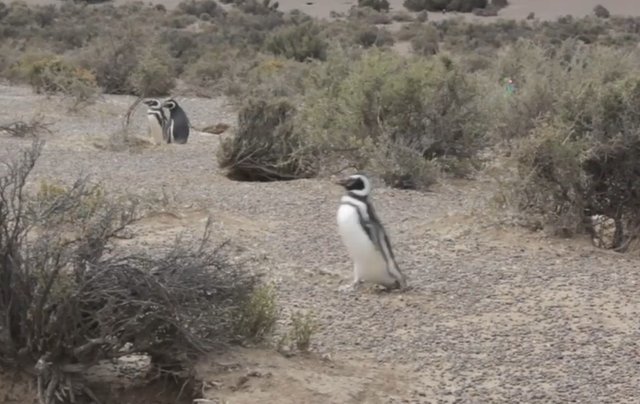
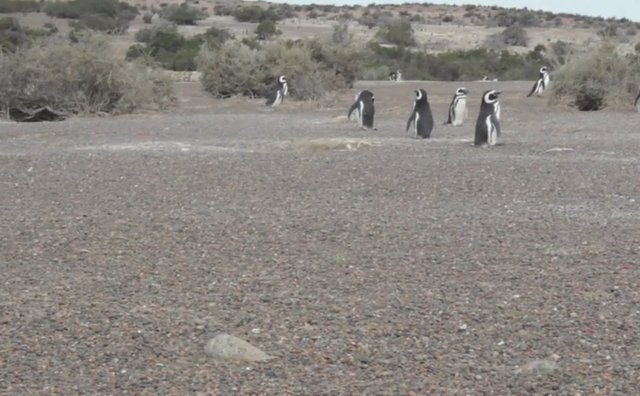
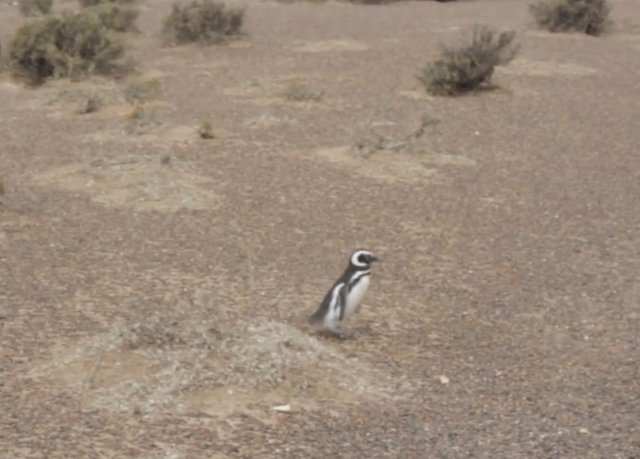
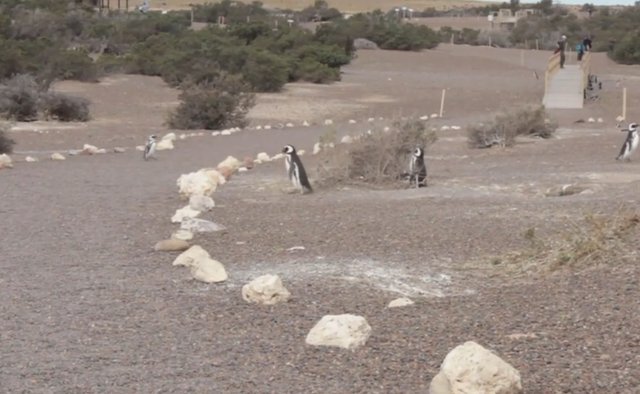
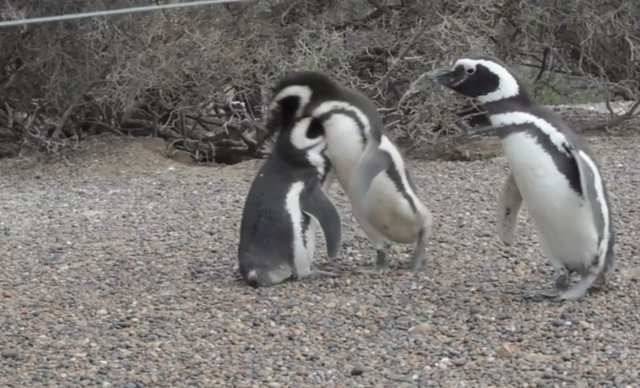
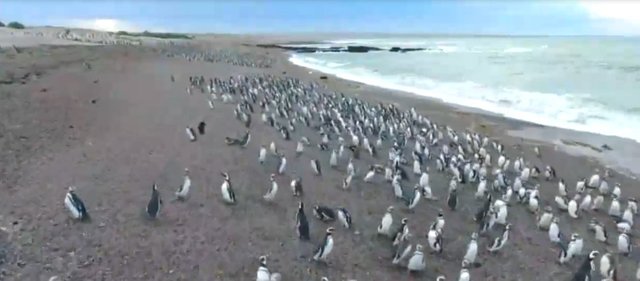
Million penguins live on the Patagonian coast, in the Punta Tombo reserve.

About a million penguins live on the Patagonian coast, in the Punta Tombo reserve, 180 kilometers from Puerto Madryn.

A beautiful and thrilling show. See thousands and thousands of penguins walking among people looking for their nests or their young on the infinite marine beach of Punta Tombo.
02.-Pingüinera de Punta Tombo-1.jpg
02.-Pingüinera de Punta Tombo-2.jpg
02.-Pingüinera de Punta Tombo-4.jpg
02.-Pingüinera de Punta Tombo-6.jpg
02.-Pingüinera de Punta Tombo-7.jpg
02.-Pingüinera de Punta Tombo-9.jpg
02.-Pingüinera de Punta Tombo-10.jpg

The Iguazú National Park.

The Iguazú national park (in Spanish Parque Nacional Iguazú, in Portuguese Parque Nacional do Iguaçu) is a national park located on the border between Argentina and Brazil and the border is established by the homonymous river. 

The Argentine part of the park is located in the north of the province of Misiones, while the Brazilian part of the park is located in the south-western part of the state of Paraná. It covers an area of approximately 2,250 km², of which 550 in Argentina and 1,700 in Brazil, although 80 percent of the falls are located in Argentina.

The park was created in 1939 and includes one of the most famous naturalistic landscapes in all of South America, the Iguazu falls, immersed in the tropical forest. Both the Argentine and Brazilian parts of the park were included in the UNESCO World Heritage List, the first in 1984 and the second in 1986.

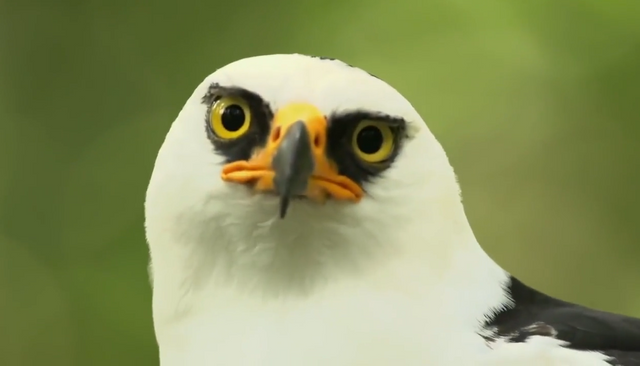
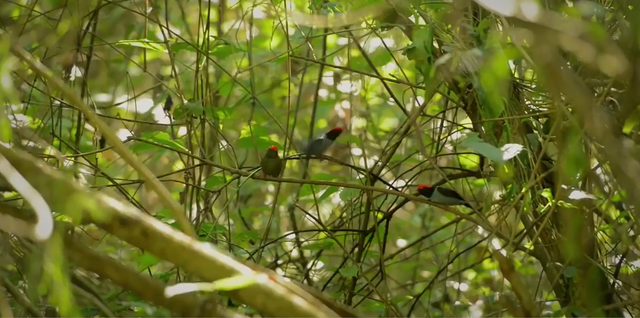
Among the bird species that can be seen the most within the park is the famous large toucan (5 types of toucans inhabit), magpies, terres, parrots and swifts, the latter species that we mentioned fly through the water columns from the waterfalls and can be easily seen from the balcony of the devil's throat. The swift is the bird that symbolizes the Iguazú National Park.

The North of the Province of Misiones is a paradise for bird lovers. This is due to its warm climate throughout the year, its exuberant flora and its many Reserves dedicated to Environmental Conservation.
10.-iguazu-fauna-1.png
10.-iguazu-fauna-aguila.png
10.-iguazu-fauna-aguila-1.png
10.-iguazu-fauna-bailarines-azules.png
10.-iguazu-fauna-benteveo.png
10.-iguazu-fauna-benteveo-pirata.png
10.-iguazu-fauna-chinchero.png
10.-iguazu-fauna-guetapa-negro.png
10.-iguazu-fauna-pajaro-carpintero.png
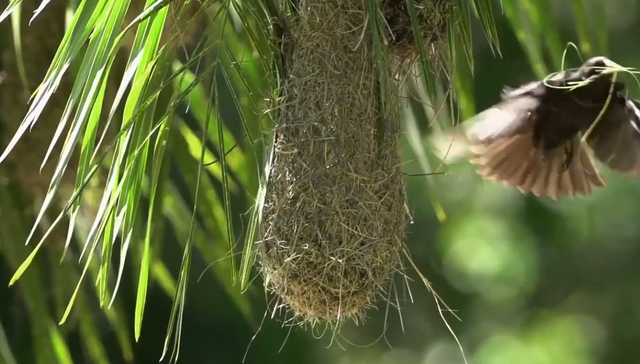
10.-iguazu-fauna-pajaro-tejedor.png

The Impenetrable is a must-see for lovers of hiking and nature.

It is one of the little explored places in the country, but it is worth knowing. The new park, of 128 thousand hectares, now represents the largest reserve in northern Argentina.

It is very difficult to find a degree of biodiversity as pure as that seen in El Impenetrable National Park.

The national park is part of what Estancia La Fidelidad used to be and extends between the provinces of Chaco and Formosa, covering an area of ​​250,000 hectares, divided by the Bermejo river.

The origin of its name lies in the difficulty of entering the area. Nature is diverse.
06.-El-Impenetrable-aves.png
06.-El-Impenetrable-aves-1.png
06.-El-Impenetrable-aves-2.png
06.-El-Impenetrable-fauna.png
06.-El-Impenetrable-fauna-1.png
06.-El-Impenetrable-fauna-2.png
06.-El-Impenetrable-pajaro.png
Papyrus_PNG_Clipart_Image-1000x737.png

In Argentina it is called province to the states that make up the nation, according to the principles of federalism established in the Constitution. Legally Argentina is a federation of provinces and maintained by constitutional mandate the historical names of United River Plate and Argentina Confederation Provinces, in addition to the more usual Argentina.
 
Argentine provinces govern themselves, they write their own constitutions and have executive, legislative and judicial powers themselves, including their own provincial police. Fourteen of them are historically and legally existed prior to the current national organization, and with nine subsequently created exclusively retain all powers not expressly delegated to the Nation in the Constitution.
Official name:
Argentinian republic
Total area:
3,761,274 km2
Sup. Americas
2,791,810 km2
Sup. Antarctic Continent
969,464 km2
Capital:
Autonomous City of Buenos Aires
Political division:
1 autonomous city and 23 provinces
Government:
Republican Representative and Federal
Population:
40,117,096 inhabitants. 2010 Census.
Language:
Spanish
Monetary unit:
Weight
Autonomous City of Buenos Aires.
Capital
Capital City of Argentina
Surface:
200 km2
Population:
2890151 hab.
Argentine provinces.
BUENOS AIRES.
Capital city
La Plata
Surface:
307,571 km2
Population:
15625084 hab.
CATAMARCA.
Capital city
San Fernando del Valle de Catamarca
Surface:
102,602 km2
Population:
367,828 hab.
CHACO.
Capital city
Resistance
Surface:
99,633 km2
Population:
1055259 hab.
CHUBUT.
Capital city
Rawson
Surface:
224,686 km2
Population:
509,108 hab.
Read also: Argentina is composed of nine geographical regions.
CORDOVA
Capital city
Cordova
Surface:
165,321 km2
Population:
3308876 hab.
CURRENTS.
Capital city
currents
Surface:
88,199 km2
Population:
992,595 hab.
BETWEEN RIVERS.
Capital city
Paraná
Surface:
78,781 km2
Population:
1235994 hab.
FORMOSA.
Capital city
Formosa
Surface:
72,066 km2
Population:
530,162 hab.
JUJUY.
Capital city
San Salvador de Jujuy
Surface:
53,219 km2
Population:
673,307 hab.
THE PAMPA.
Capital city
Saint Rose
Surface:
143.440 km2
Population:
318,951 hab.
THE RIOJA.
Capital city
The Rioja
Surface:
89,680 km2
Population:
333,642 hab.
MENDOZA.
Capital city
Mendoza
Surface:
148,827 km2
Population:
1738929 hab.
MISSIONS.
Capital city
posadas
Surface:
29,801 km2
Population:
788,915 hab.
NEUQUÉN.
Capital city
Neuquén
Surface:
94,078 km2
Population:
388,833 hab.
BLACK RIVER.
Capital city
Viedma
Surface:
203,013 km2
Population:
638,645 hab.
SALTA.
Capital city
Salta
Surface:
155,488 km2
Population:
1214441 hab.
SAN JUAN.
Capital city
San Juan
Surface:
89.651 km2
Population:
681,055 hab.
SAINT LOUIS.
Capital city
saint Louis
Surface:
76,748 km2
Population:
432,310 hab.
SANTA CRUZ.
Capital city
Rio Gallegos
Surface:
243,943 km2
Population:
273,964 hab.
SANTA FE.
Capital city
Santa Fe
Surface:
133,007 km2
Population:
3194537 hab.
SANTIAGO DEL ESTERO.
Capital city
Santiago del Estero
Surface:
136,351 km2
Population:
874,006 hab.
TUCUMÁN.
Capital city
San Miguel de Tucuman
Surface:
22,524 km2
Population:
1448200 hab.
TIERRA DEL FUEGO, Antarctica and South Atlantic Islands
Capital city
Ushuaia
Total area:
1,002,445 km2
Sup. Antartida
965,597 km2
Sup. Austral Islands
3867 km2
Population:
127,205 hab.
Bibliography:
  • IGN: Values ​​calculated on surface mapping at 1: 500,000
  • INDEC: Facts Conclusive population Census Population and Housing 2010.
  • Immagini: Wikipedia
If you liked this article, subscribe to the feed by clicking the image below to keep informed about new contents of the blog:
rss-icon-feed1
 
Copyright © 2015 Argentina Photo Gallery
Distributed By Gooyaabi Templates
-->