Before choosing your binocular model of any brand, the following should be kept in mind: All binoculars have two numbers printed on their body, for example "8 x 40", the first number indicates the increases and the second the diameter.
When we talk about magnification, we are referring to the number of times the observed object will bring us closer.
 |
| Birdwatching is a practice that I started at an early age. Being outdoors to recreate with the diversity of birdlife that hides among the forests, steppes, fallow lands, coastal lagoons, salt marshes or marshes, among other habitats, is enriching, relaxing and healthy. |
Birdwatching in Argentina [#2]: Punta Tombo Reserve, The Iguazú and The Impenetrable National Parks.
To know the range, we will have to divide the distance at which the bird is, for example 30 meters by this first number, in this case the count will be 30/8 which gives us 3.75, that is, we will see the bird as if was less than four meters away.
As a general rule of thumb for bird watching it is suggested that the magnification is not less than 7 and not more than 10. With greater magnifications the visual field decreases and the image begins to move requiring the support of a tripod. Zoom binoculars are not recommended. Neither are those with night visibility.
The second number in this case "40" refers to the diameter of the lenses and this has to do with light collection, the more diameter the better light collection and this will allow us to observe better details.
For shady places like jungles or forests this is very important. As the diameter of the lens decreases, the luminosity decreases and the angle of vision or visual field narrows. It should be added here that binoculars with 50mm lenses are usually quite heavy although the more expensive brands currently use lighter and stronger materials. It will be necessary to evaluate then the average between distance and luminosity, this is called "exit pupil", this is done by dividing the diameter by the increases.
.jpg)
Before choosing your binocular model of any brand, the following should be kept in mind: All binoculars have two numbers printed on their body, for example "8 x 40", the first number indicates the increases and the second the diameter. When we talk about magnification, we are referring to the number of times the observed object will bring us closer. To know the range, we will have to divide the distance at which the bird is, for example 30 meters by this first number, in this case the count will be 30/8 which gives us 3.75, that is, we will see the bird as if was less than four meters away.
As a general rule of thumb for bird watching it is suggested that the magnification is not less than 7 and not more than 10. With greater magnifications the visual field decreases and the image begins to move requiring the support of a tripod. Zoom binoculars are not recommended. Neither are those with night visibility. The second number in this case "40" refers to the diameter of the lenses and this has to do with light collection, the more diameter the better light collection and this will allow us to observe better details.
For shady places like jungles or forests this is very important. As the diameter of the lens decreases, the luminosity decreases and the angle of vision or visual field narrows. It should be added here that binoculars with 50mm lenses are usually quite heavy although the more expensive brands currently use lighter and stronger materials. It will be necessary to evaluate then the average between distance and luminosity, this is called "exit pupil", this is done by dividing the diameter by the increases.
Before choosing your binocular model of any brand, the following should be kept in mind: All binoculars have two numbers printed on their body, for example "8 x 40", the first number indicates the increases and the second the diameter.
When we talk about magnification, we are referring to the number of times the observed object will bring us closer. To know the range, we will have to divide the distance at which the bird is, for example 30 meters by this first number, in this case the count will be 30/8 which gives us 3.75, that is, we will see the bird as if was less than four meters away.
As a general rule of thumb for bird watching it is suggested that the magnification is not less than 7 and not more than 10. With greater magnifications the visual field decreases and the image begins to move requiring the support of a tripod. Zoom binoculars are not recommended. Neither are those with night visibility.
Before choosing your binocular model of any brand, the following should be kept in mind: All binoculars have two numbers printed on their body, for example "8 x 40", the first number indicates the increases and the second the diameter. When we talk about magnification, we are referring to the number of times the observed object will bring us closer.
To know the range, we will have to divide the distance at which the bird is, for example 30 meters by this first number, in this case the count will be 30/8 which gives us 3.75, that is, we will see the bird as if was less than four meters away.
As a general rule of thumb for bird watching it is suggested that the magnification is not less than 7 and not more than 10. With greater magnifications the visual field decreases and the image begins to move requiring the support of a tripod. Zoom binoculars are not recommended. Neither are those with night visibility.
The second number in this case "40" refers to the diameter of the lenses and this has to do with light collection, the more diameter the better light collection and this will allow us to observe better details. For shady places like jungles or forests this is very important.
As the diameter of the lens decreases, the luminosity decreases and the angle of vision or visual field narrows. It should be added here that binoculars with 50mm lenses are usually quite heavy although the more expensive brands currently use lighter and stronger materials. It will be necessary to evaluate then the average between distance and luminosity, this is called "exit pupil", this is done by dividing the diameter by the increases.
The second number in this case "40" refers to the diameter of the lenses and this has to do with light collection, the more diameter the better light collection and this will allow us to observe better details. For shady places like jungles or forests this is very important. As the diameter of the lens decreases, the luminosity decreases and the angle of vision or visual field narrows.
It should be added here that binoculars with 50mm lenses are usually quite heavy although the more expensive brands currently use lighter and stronger materials. It will be necessary to evaluate then the average between distance and luminosity, this is called "exit pupil", this is done by dividing the diameter by the increases.
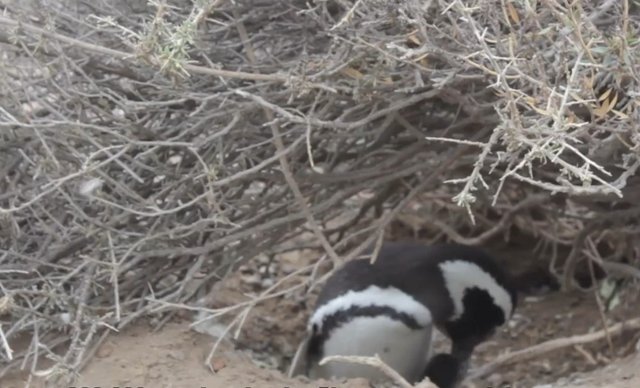
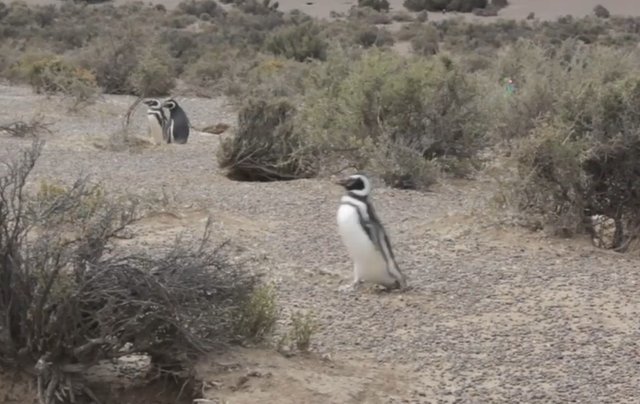
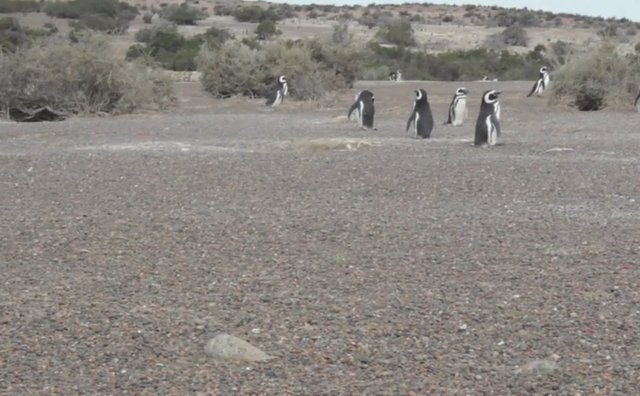
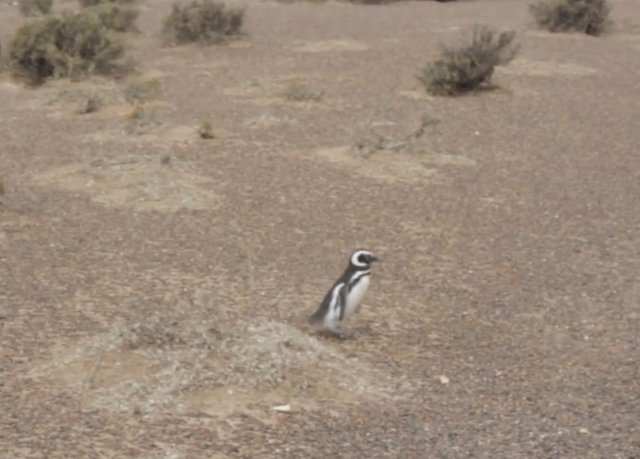
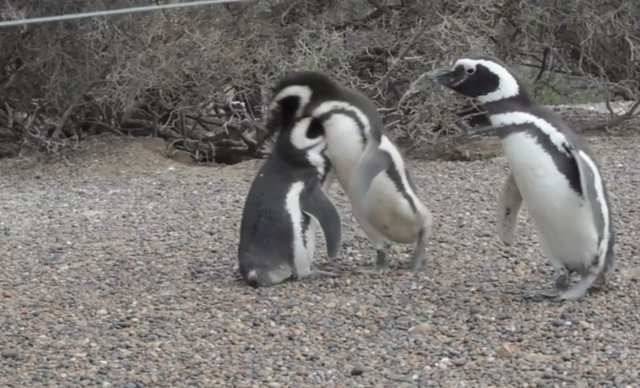
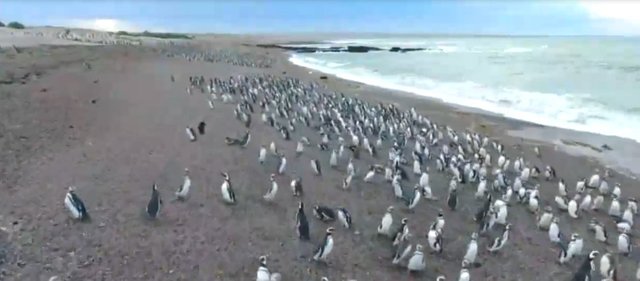
Million penguins live on the Patagonian coast, in the Punta Tombo reserve.
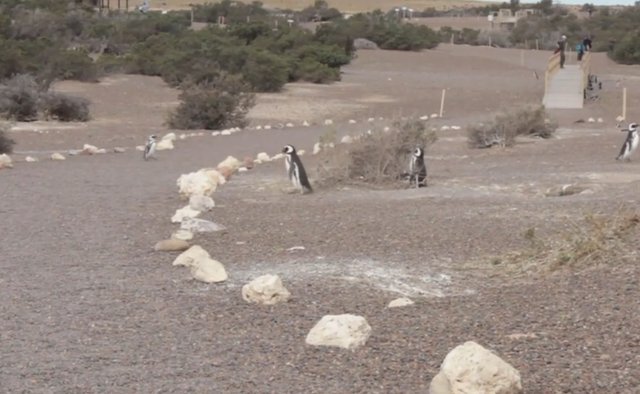
About a million penguins live on the Patagonian coast, in the Punta Tombo reserve, 180 kilometers from Puerto Madryn.
A beautiful and thrilling show. See thousands and thousands of penguins walking among people looking for their nests or their young on the infinite marine beach of Punta Tombo.
The Iguazú National Park.
The Iguazú national park (in Spanish Parque Nacional Iguazú, in Portuguese Parque Nacional do Iguaçu) is a national park located on the border between Argentina and Brazil and the border is established by the homonymous river.
The Argentine part of the park is located in the north of the province of Misiones, while the Brazilian part of the park is located in the south-western part of the state of Paraná. It covers an area of approximately 2,250 km², of which 550 in Argentina and 1,700 in Brazil, although 80 percent of the falls are located in Argentina.
The park was created in 1939 and includes one of the most famous naturalistic landscapes in all of South America, the Iguazu falls, immersed in the tropical forest. Both the Argentine and Brazilian parts of the park were included in the UNESCO World Heritage List, the first in 1984 and the second in 1986.
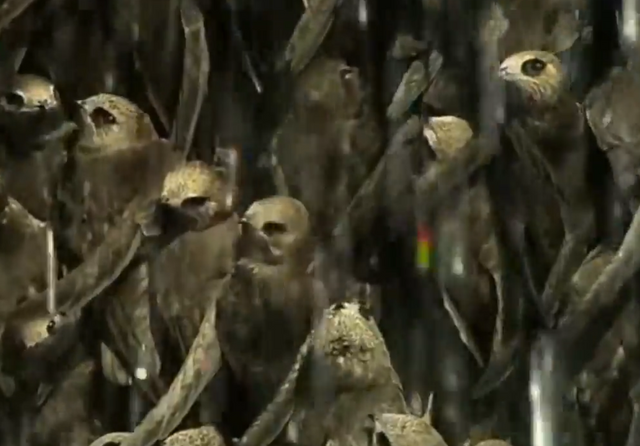
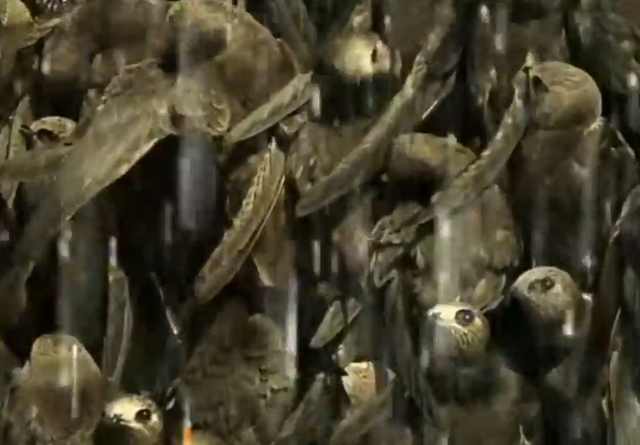
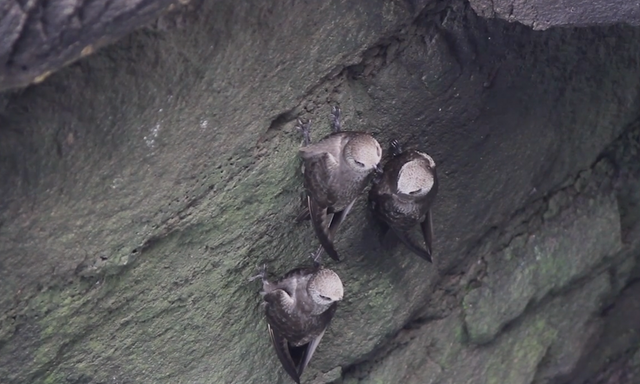
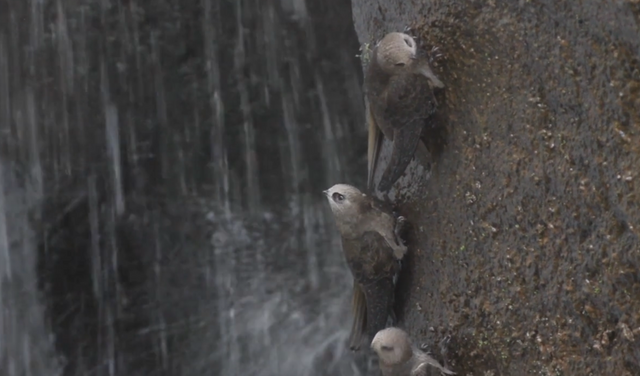
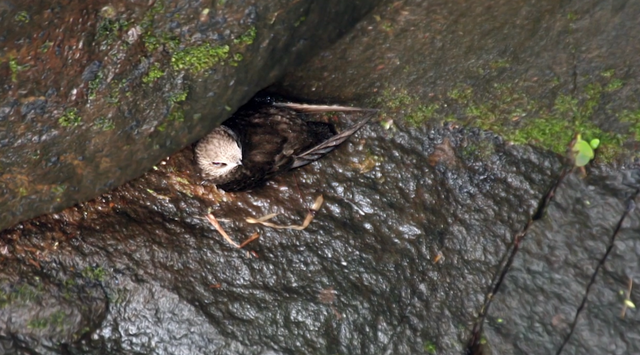
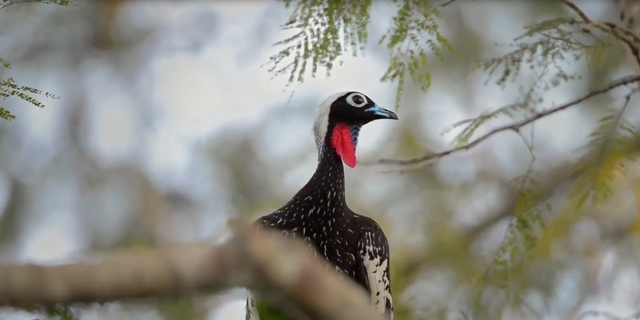
Among the bird species that can be seen the most within the park is the famous large toucan (5 types of toucans inhabit), magpies, terres, parrots and swifts, the latter species that we mentioned fly through the water columns from the waterfalls and can be easily seen from the balcony of the devil's throat. The swift is the bird that symbolizes the Iguazú National Park.
The North of the Province of Misiones is a paradise for bird lovers. This is due to its warm climate throughout the year, its exuberant flora and its many Reserves dedicated to Environmental Conservation.
The Impenetrable is a must-see for lovers of hiking and nature.
It is one of the little explored places in the country, but it is worth knowing. The new park, of 128 thousand hectares, now represents the largest reserve in northern Argentina.
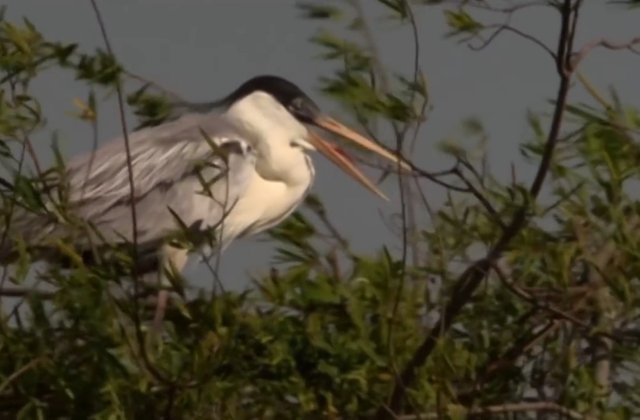
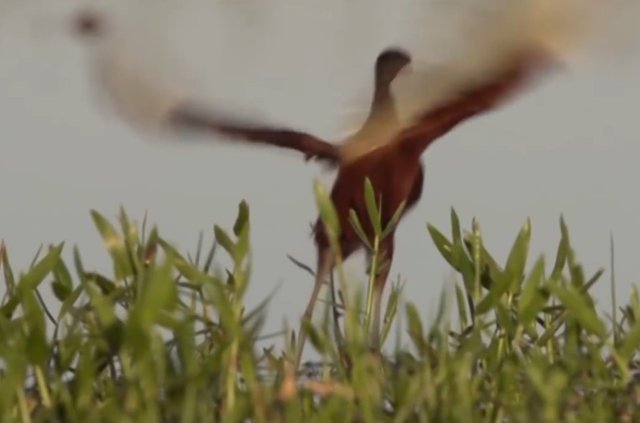
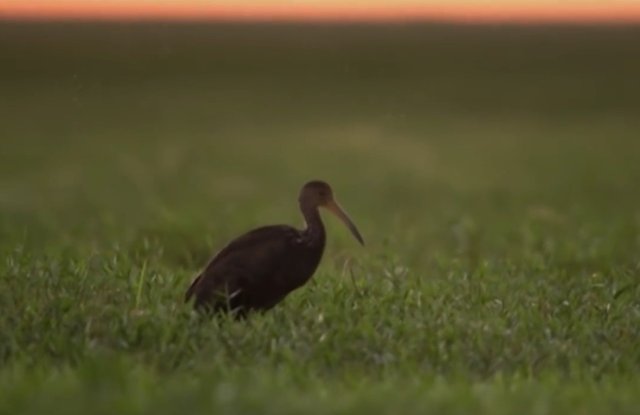
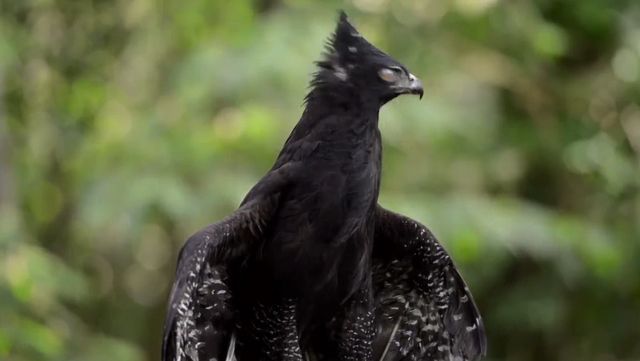
It is very difficult to find a degree of biodiversity as pure as that seen in El Impenetrable National Park.
The national park is part of what Estancia La Fidelidad used to be and extends between the provinces of Chaco and Formosa, covering an area of 250,000 hectares, divided by the Bermejo river.
The origin of its name lies in the difficulty of entering the area. Nature is diverse.




.jpeg)




-yetapa.png)