F
Showing posts with label Mendoza. Show all posts

I traveled to this province, exactly to San Rafael’s city, to take an intensive course of Fruit and Vegetable Products Engineering at the Universidad Nacional de Cuyo. This city is 617 miles away from my home and its landscapes are mountainous because its so close to the Andes Mountains.
During my stay, I visited three places in my spare time: Los Reyunos, Atuel’s canyon and Borges’ labyrinth.

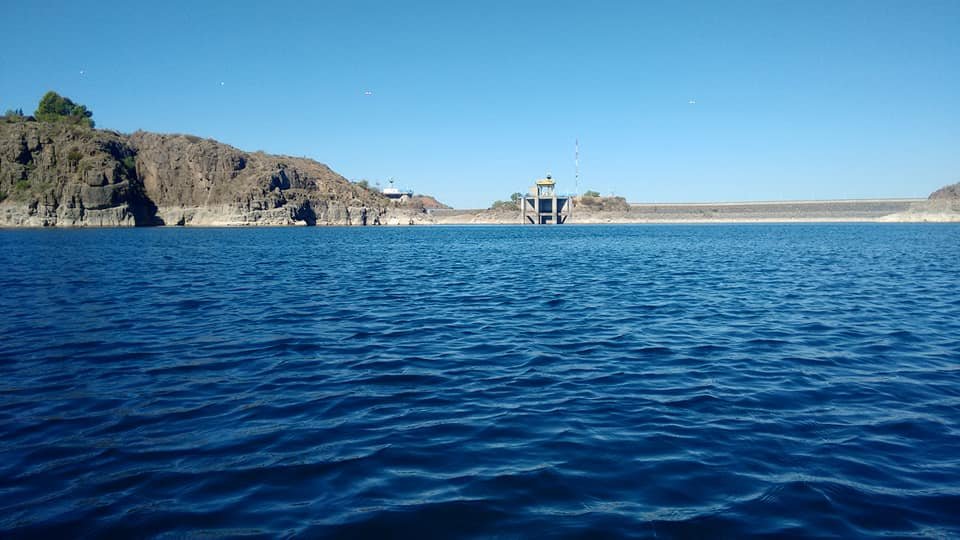
Los Reyunos

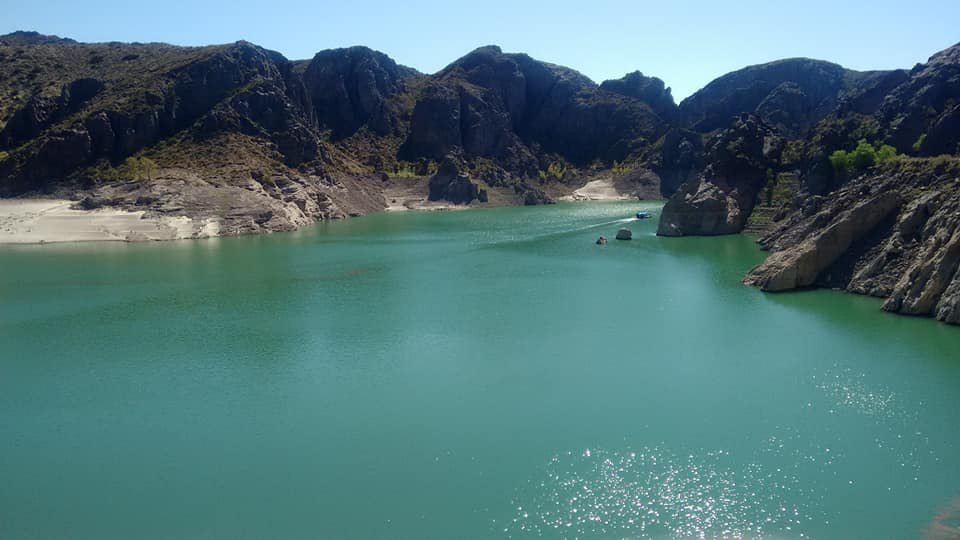
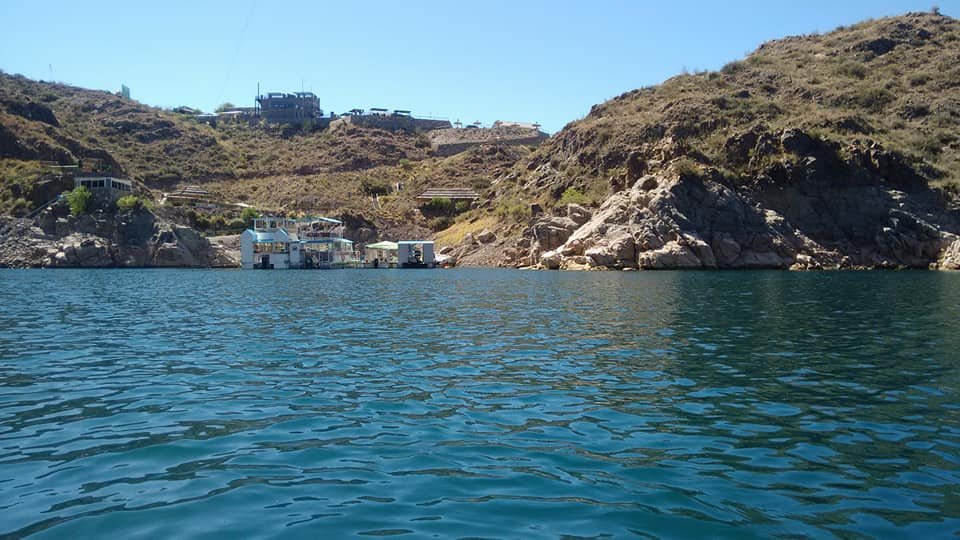
This place is a dam feeded by the Diamante river and forms the Los Reyunos lake, that supplies drinking water to the nearby habitants. In it you can do various recreational activities.


54521997_10214330406237133_2172991007799377920_n.jpg 54524655_10214330412717295_9145117200145711104_n.jpg

Atuel’s canyon

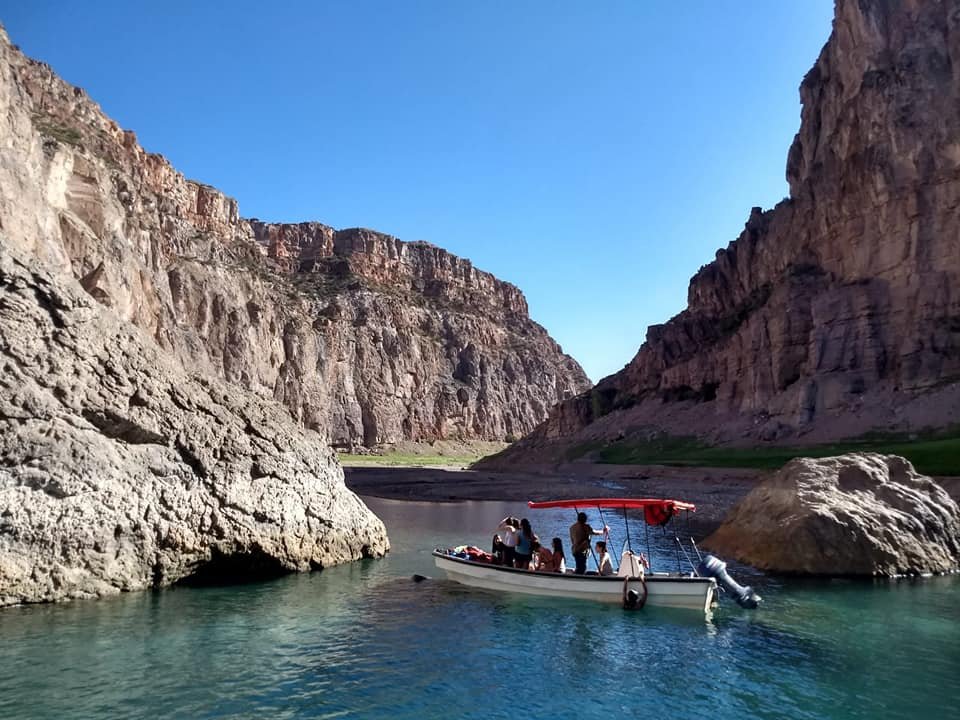
This canyon is located at the mouth of the Atuel River and in it, the Valle Grande Reservoir is formed. Navigation can be done here.

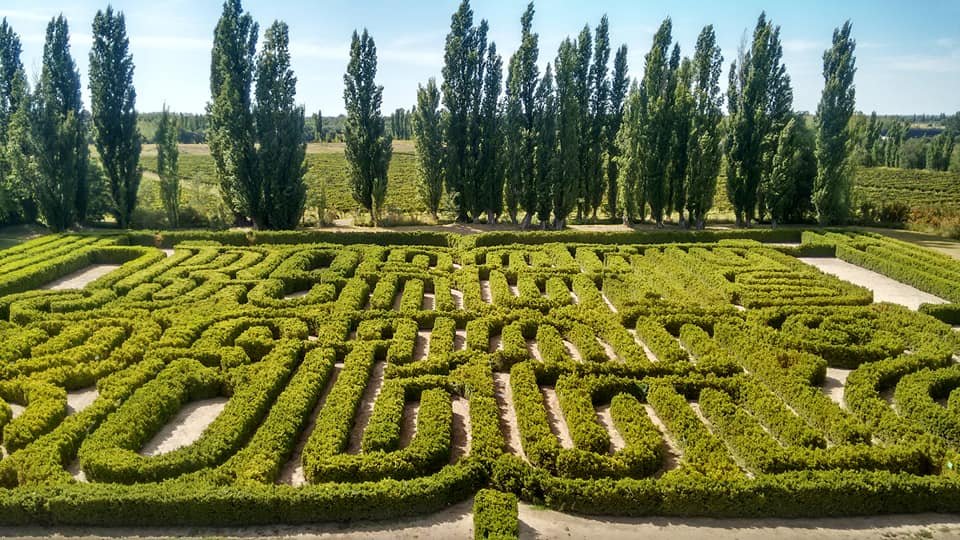
Borges’ labyrinth

This labyrinth is a tribute to the writer Jorge Luis Borges, built in the farm of his friend Susana Bombal. It consists of more than 8 thousand plants of buxus. There can be read the words “Jorge Luis Borges”, among other symbols. You can appreciate them in the labyrinth’s official page. This is a very peaceful place to spend the day.


54800143_10214298765886144_4623054745320292352_n.jpg

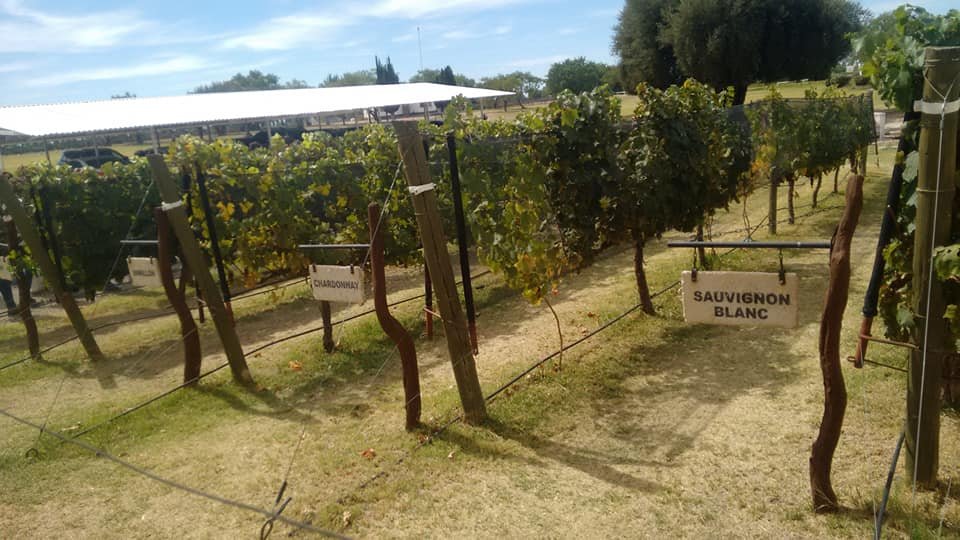
Mendoza’s province is the land of wine. Even in its airport there is a little vine plantation! During my trip I also visited several wineries and vineyards. I made the most of my stay there. A beautiful place that I would return without doubts.

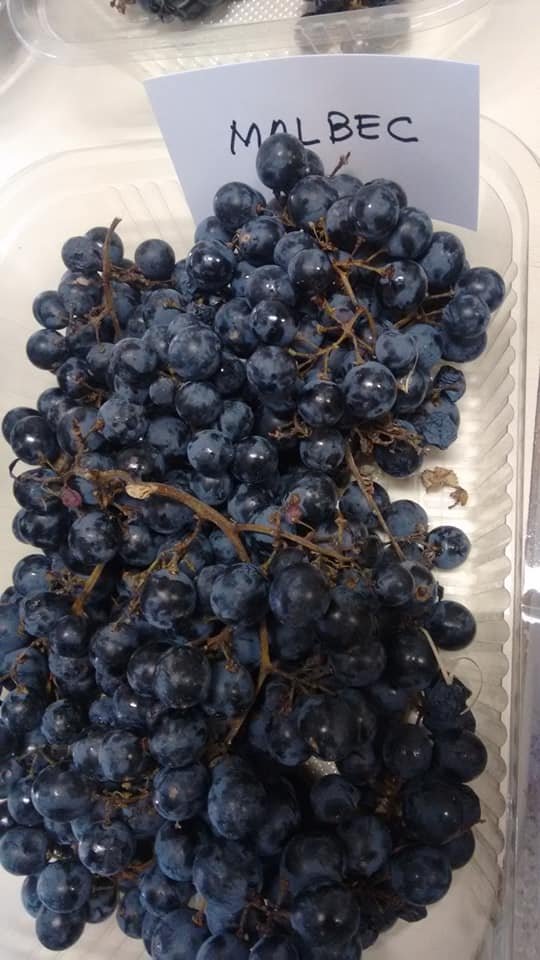
54263975_10214298812447308_8590075140509794304_n.jpg

Malbec. The best argentinian wine is made with this grape.

55451621_10214330400796997_2431278959317483520_n.jpg

54423241_10214298773366331_8482359022878457856_n 1.jpg 54433444_10214298797526935_3778162780444557312_n.jpg

For the original peoples, rock art was a tool for communication, a way to transfer ideas, experiences and convictions, a way to reaffirm their own and to participate in other groups of that message put in the immensity of the landscape with the intention aware, that they will last in physical space and time.

In turn, it was a way of intervening territorially, especially when we understand the nomadic condition of its producers, making reference to its inter-related actions related to space: in territorial exploration, in the search for material resources and in ritualization in The geographical spaces.

Therefore, the human figure in rock art cannot be interpreted as an illustrative representation, it is much more than that. The worldview of the South American native peoples includes animated beings and inanimate elements, all of them forming part of an integrated whole that carries the character of sacred.

The human being was understood within that whole.

The representation of human figures in the rock art of the Cuyo region.


The human being was understood within that whole. That sacredness was rooted in the naturalistic and mystical thinking of the people that also hierarchized and deeply respected the characters of power within the community.

This hierarchy is evident in all rock art. Thus, certain human figures have the schematic simplicity and smaller sizes compared to those that show the attributes of power, differing both in the set.
Read also: The lonely Pucará de Hualco, a city of stone, more than a thousand years old.
But whatever its appearance, the human figure, in rock art, is always based on an idea conceived by the naturalistic thinking of the original peoples who considered those of their kind a part in nature and not the axis of the system; which is the most widespread conception in our western and contemporary thinking.

Cuyana region.


In Mendoza, they are chronologically attributed to the period between 400 and 600 years and are culturally associated with the Ovalle style of the Valley of Enchantment in Chile and the culture of El Molle (300 BC-700 AD). This, at later times, would be associated with the Aguada income and would result from an incorporation given by farming groups in the area, which allows us to propose a temporary projection until 900.


The rock manifestations have received different interpretations, predominantly those that emphasize the role associated with shamanic practices. In Mendoza, within the anthropic manifestations, those that refer to heads and mascariforms stand out, which by stylistic association allowed them to be linked culturally and chronologically, but that at the interpretative level led to postulate the representation of experiential experiences of ceremonies where the human head stood out as the center of power and possessor of special forces.

These images would be enhanced as a result of experiences derived from the use of hallucinogenic substances, which, by altering the senses, would favor images in a trance state.
Human figure: hierarchical attributes.

Representation of the human figure.


The human figure is more frequent in the north of the region. In almost all cases they are recorded although we also see it painted, as in the peach eaves in San Rafael.

The representation of some parts of the body is very frequent. In Malargüe the body appears but without head or heads without the body and also the imprint of the human foot.

Other figures move away from a realism and become a different scheme in which the human figure is transformed into a symbolic element, for example the drawing of the head with upper and lower limbs - without the torso - with appendages that start from the same in radial form or with ornamentations in the superior part, as it is the case of the paintings of Los Morrillos and in the Colorados of San Juan and Tundunqueral, in the north of Mendoza.

With variants, the head alone is presented with cephalic attributes or the head with ornamentations and the lower limbs (Tundunqueral, Mendoza and Los Colorados, San Juan). These designs were linked to the tiaras or mascariform heads of the Northern Chilean Boy.

Frequently the characters in rock art are accompanied by birds, felines, snakes and other animals that occupy primary places in the graphic set makes us think that they played an important role in their lives and were part of their rituals. The characters are also seen carrying camelids on a rope, or their stumps or pregnant females, which shows their status as hunter gatherers and the preponderance of these animals in obtaining resources.

The rock, in many cases, is part of the composition and the landscape participates as the setting for the unifying mother earth of "everything." This can be seen in some creations in which engraving and support make up the design, as is the case of the mascariform figure of Painted Stones in San Juan in which the oval shape of rock constitutes the contour of the mascariform.

We continue with the legendary Route 40 One of the most compelling circuits National Route 40, which runs more than 5,000 miles from Argentina, is passing through the region of Cuyo.

The provinces of Mendoza, San Juan and La Rioja, surprise the traveler with the best Malbec in the country, Talampaya National Park and the Valley of the Moon.

infografia_ruta_40_cuyo

The 5 best places for rafting in Argentina are: Oath Canyon River in Salta; Atuel River Canyon, just outside of San Rafael, Mendoza, the Aluminé River in Neuquén, Río Manso Bariloche and the Corcovado River in Chubut.

Rafting is a team sport where all the crew of the boat row and position your weight in a coordinated way along the river rapids and stay afloat.

rafting 2000x1335

Mendoza and San Juan is a good choice for Adventure lovers and wine. Today I have the main attractions in this circuit:
It offers a lot of wineries that open their doors to tourism. The vines grow in a desert land, transformed by man through irrigation ditches, canals and reservoirs.
andes

Do you like the idea of ​​camping but want the comfort of a hotel? The solution is "glamping". A new global trend that combines "glamor" and "camping".

A new term is cast in the terminology nit: glamping. The concept - the union of glamor and camping - is made ​​for those who do not support sunrise in a tent to incandescent temperatures; Restform absent and the consequent pain; rumpled due to its use as a makeshift pillow; and discomfort of walking in pajamas to a common bathroom.

glamping1

Buenos Aires is a great city, but Argentina is a great country, and it would be a shame if you lived here and didn’t see all that it has to offer. And so without further ado, here are 8 places in Argentina you absolutely must visit. 

Iguazú Falls
People come from all over the world to see what is perhaps Argentina’s star natural attraction: the mighty Iguazú Falls. Made up of some 275 individual waterfalls and cascades, the park in which they’re located has an amazingly comprehensive and well-maintained set of catwalks that allow you get right up close and personal with the vast sprays of water.
At the heart of the site is a semicircular waterfall called ‘the Devil’s Throat.’ These falls are 80 meters high and a massive 2,700 meters in diameter, and because of the excellent catwalks, you can stand right over their edge in perfect safety.
Iguazú Falls receive about 1 million visitors a year and have been a UNESCO World Heritage site since 1984.
Awesome. So where are they? The falls are located in the far north of Argentina, right on Argentina’s border with Brazil. The nearest town to the falls, Puerto Iguazú, is a short flight or a very long bus ride from Buenos Aires.
But wait, there’s more. If you have the time, a trip across the border to the Brazilian side of the falls is highly recommended. Why? Well firstly because the falls themselves are so impressive that it’s worth getting a different perspective on them. While you feel the falls better from the Argentine side, where you can literally reach out and touch them, you see the falls better from Brazil, because from there you can see the entire panorama at once.
Another reason to cross the border is to visit the fabulous Bird Park, located right across the road from the entrance to the Brazilian side of the falls. .
If you decide that you want to go to the Brazilian side of the falls keep in mind though that while it’s only a short and inexpensive shuttle ride from Puerto Iguazú, some people need a visa to enter Brazil, and this includes citizens of the United States and of Australia. Getting a one-day-only Brazilian visa in Puerto Iguazú is fast – they can do it overnight – but it will cost you (check the amount online as it’s subject to change).

Perito Moreno Glacier
From one water-based attraction to another! This one is frozen, but still there are some similarities with Iguazú Falls because like the falls, Perito Moreno glacier in Los Glaciares National Park is very well served by an extensive system of catwalks that allow you to get very close to the face of this breathtakingly massive river of ice. Clearly catwalks are something that Argentina does very well!
Perito Moreno glacier is located in Southern Patagonia. It’s a chunk of ice 250 km2 (97 sq mi) in area and 30 km (19 mi) in length. It’s one of 48 glaciers fed by the Southern Patagonian Ice Field in the Andes, which (by the way) holds in its icy grasp the world’s third-largest store of fresh water.
There isn’t a whole lot to do at Perito Moreno glacier except walk around and get different angles on the ice, but it’s such an impressive sight that doing so is actually a fun way to spend half a day or so. If you’re lucky and patient you might see the glacier calving, which is very cool, and there are also short boat trips out into the lake that the glacier flows into if you want to get even closer to it.
Perito Moreno glacier is a short shuttle ride from the city of El Calafate, itself about a three hour flight from Buenos Aires. El Calafate is a nice enough place, on a windswept hillside beside a lake, but it doesn’t really offer much beyond its proximity to Perito Moreno. 

El Chaltén
El Chaltén is one of Argentina’s lesser-known tourism spots. That’s probably because it’s fairly inaccessible – it has no airport, and the fastest way to get there is a slow 3½ hr bus ride on unsealed roads from El Calafate.
El Chaltén was built in 1985 as a way of helping to secure a disputed border with Chile. Today however it’s raison d’être is solely tourism: it’s located at the northern end of Los Glaciares National Park near the mountains Cerro Fitz Roy and Cerro Torre, making it a hotspot for hikers, climbers, mountaineers and anyone who just wants to enjoy the ridiculously amazing scenery.
The most popular thing to do in the El Chaltén area is hike or climb Cerro Fitz Roy, but there are more hiking opportunities than you can shake a stick at, so bring your walking boots (and poles, don’t forget the poles). Some say that the mountains and glaciers here are the equal of those in Torres del Paine national park across the border in Chile, plus they’re more accessible, and having been to both I have to agree.
There are plenty of places to stay in El Chaltén (and more being built all the time), but it can be pricey, so do your homework and book ahead if you’re on a budget.

Mendoza Province.
Mendoza = wine. The very dry, very sunny Mendoza region is close to perfect for wine cultivation, particularly as the Río Mendoza (formed in the Andes) provides all the necessary water for irrigation.
Unsurprisingly then, the best thing to do in Mendoza Province is tour the many excellent wineries, some of which are world-famous. Organized bus tours are readily available, but the best way to do it is to hire a private car with a knowledgeable driver and get a personalized itinerary. The region is most famous for its Malbec, but other wines produced in Mendoza Province include Torrontes, Semillon, Syrah and Tempranillo.
 
So that’s the Mendoza region. What about the city of Mendoza? Argentina’s fourth largest city is a pleasant town with broad, tree-lined avenues and a very nice central plaza. Should you tire of wine, it’s a good base camp for skiing at Los Penitentes, Los Molles and Las Leñas, for rafting on the Río Mendoza, and for hiking or climbing nearby Aconcagua, which is the highest mountain in the Andes and indeed the highest mountain in the world outside Asia.

Bariloche.
They do make it easy for you in Argentina: Mendoza is where you go for wine, and San Carlos de Bariloche (much more commonly known as just Bariloche) is where you go for snow. Another Patagonian destination, it’s a beautiful Argentine town with a Swiss-German twist.
First the skiing: Catedral Alta Patagonia is a ski resort located about an hour from Bariloche (you can get a cheap bus there). It has 40 lifts and over 100 km of marked trails for your carving pleasure. Look up and you’ll be rewarded with stunning views and the odd Andean Condor as well. From 15 September until 15 October is generally regarded as the best time to go.
And if you don’t want to ski, or you’re there at another time of the year? Never fear, because Bariloche brings you not only skiing but also mind-blowing Swiss chocolate, rafting, camping, climbing and hiking, with a side order of sailing, swimming and fantastic fishing in the nearby lake.
Also, should you tire of all of that, there’s the famous Road of the Seven Lakes. This is the popular name given to Route 234, the road between San Martín de los Andes and Villa La Angostura in Neuquén Province. It’s a 107 km dirt road that crosses two national parks and brings you beautiful views over several lakes. Hire a car and drive it from end to end or take a tour bus from Bariloche; either way it’s unmissable.

Quebrada de Humahuaca.
Places like Iguazú Falls, Perito Moreno glacier, Bariloche and Mendoza are firmly on the tourist radar in Argentina. But here’s somewhere equally fabulous that’s not: the Quebrada de Humahuaca in the far north-west of the country, in the Province of Jujuy.
So what is a ‘quebrada’ anyway? Good question. A quebrada is a ravine, and the Quebrada de Humahuaca is a ravine 150 km long and over two thousand meters above sea level, located not far from Argentina’s border with its northern neighbor, Bolivia. It is spectacular due to its rock formations and its incredible multicolored hills, which truly must be seen to be believed.
The largest city and main jumping-off point for exploring this area is Salta. Salta boasts some good hostels, plenty of tourist and car rental agencies and a nice central plaza, but it’s not a place you should plan to stay for more than a couple of nights. The real gems are the small towns located near Salta (such as Tilcara, Cachi, Cafayate and Humahuaca) and the landscapes in and around them. They’re best explored by car, but if you don’t have a car and don’t want to hire one, stay in Cafayate and do a tour of the nearby viewpoints from there.
The one absolutely unmissable sight in the area is the Cerro de los Siete Colores (Hill of the Seven Colors) which provides a backdrop of amazing beauty for the little village of Purmamarca. The seven colors are: light orange (composed of red clay, mud and sand); white (lime rock); brown, purple and violet (lead and calcium); red (clay and iron); green (copper oxide); brown (rock and manganese), and yellow (sulfur).

Puerto Madryn.
Puerto Madryn is yet another tourism destination in Argentine Patagonia. Its three draw cards are: watching Southern Right Whale in the Gulfo Nuevo (best in September and October); trips 180 km south to see the Magellanic penguin colony in the Punta Tombo Natural Protected Area, and excursions onto Península Valdés, a wildlife sanctuary for birds and marine species.
Puerto Madryn was originally settled by Welsh colonists, and the area retains some links with Wales. This is best seen in Gaiman, the nearby ‘Welsh town’ which conserves the architecture, traditions and (somewhat bizarrely) language of the Welsh settlers. The main thing to do there is to visit a tea house for a famous ‘Welsh Tea’ (tea + scones, cakes etc.).
Puerto Madryn is located either a short flight or an ass-crippling, mind-numbing 17 hr bus ride from Buenos Aires.

El Bolsón
El Bolsón is a very likeable town of about 15,000 people that’s located about 2 hrs south of Bariloche. It’s surrounded by snowcapped mountains and, like Bariloche, offers plenty of outdoors activities, such as fishing, trekking, rafting, climbing and skiing.
So: mountains and outdoor activities. Are they why you should visit El Bolsón? No! The real reason to visit El Bolsón is that it’s Argentina’s hippy HQ! It is staunchly non-nuclear (unlike Bariloche, which has an atomic energy center) and is currently fighting the establishment of a gold mine that has been proposed for a nearby site. Then there are the drum circles, naked children frolicking in the grass, organic jams and preserves, folk music, incense (hmm or is that marijuana?) and lots of local produce like cheese, smoked trout, ice cream and chocolate.
Best of all is the outdoor artisanal fair held in El Bolsón’s central plaza not once, not twice, but three times per week (on Tuesdays, Thursdays and Saturdays). It’s the most famous artisanal fair in the entire country and a great place to buy local handicrafts and locally produced food.
Conclusion
So there you are. Eight unmissable locations in easy striking distance of where you’re living right now. What are you waiting for?


If you liked this article, subscribe to the feed by clicking the image below to keep informed about new contents of the blog:
arte rupestre
For indigenous peoples, the rock art was a tool for communication, a way of transferring ideas, experiences and convictions, as a way to reassert itself and involving other groups put that message in the vastness of the landscape with the intention conscious of that last in space and in time.

In turn, it was a way of intervening territorially-especially when we understand the condition of their producers nomadic referring their inter actions related to space: territorial exploration in search of material resources and the ritualization geographic spaces.

Therefore, the human figure in rock art can not be interpreted as a pictorial representation is much more than that.

arte rupestre Talampaya_4The worldview of American native peoples include animate beings and inanimate elements, all part of an integrated whole that carries the sacred character.
Man fell within that whole.
That sacredness was rooted in naturalistic and mystical thought of the people also hierarchized and deeply respected characters of power within the community.

This hierarchy is reflected in all the rock art. Thus, some human figures are, the smaller sizes schematic simplicity compared with those showing power attributes, differing both in the set.

But whatever their appearance, the human figure in rock art, is always based on an idea conceived by the thought of the original peoples naturalist who considered their kind in a part of nature and not the shaft system, which is the most widespread conception in our contemporary Western thought.
source: Argentina Live


If you liked this article, subscribe to the feed by clicking the image below to keep informed about new contents of the blog:
 
Copyright © 2015 Argentina Photo Gallery
Distributed By Gooyaabi Templates
-->