We continue with our itinerant tour through the National Parks of Argentina.
We had started with our first installment on the Calilegua National Park in the province of Jujuy.
Today we will visit another natural park, in this case in the neighboring province of Salta: the Baritú National Park.
And, like the Calilegua National Park, it is one of the integral areas of the Yungas biosphere reserve.
The Yungas Biosphere Reserve is part of the World Network of Biosphere Reserves promoted by the UNESCO Man and Biosphere Program (MAB).
What does Baritú mean? The name comes from Quechua and means "small population".
In this framework, one of the most visited attractions in the area are the water wells, which house shads, river lions and the washed bear, with its characteristic black mask and ringed tail.
It is traveled on foot or on horseback, always accompanied by a guide due to the complexity of the circuit.
Due to the abundant humidity and high temperatures that characterize this corner of northern Argentina, it is important that visitors wear light waterproof clothing.
The reserve is also characterized by the importance of its cultural heritage, made up of various indigenous peoples; in the reserve and its area of influence reside some three hundred and sixteen communities of native peoples (aymara, quechua, wichí, toba, chané, ocloya) who preserve their customs (worldview, way of life, festivities, crafts, etc.) by culture peasant and by descendants of Spaniards, reflecting a multiple, strong and particular identity of the territory.
I have only seen them in the filming of the camera traps installed in the Park. The tracks are the only direct evidence that one usually has of the American big cat.
Not only scientists, botanists, and naturalists come. There are also adventurers who like to know almost virgin spaces and passionate about birds.
The truck climbs to 1,800 meters above sea level and then drops again to 1,500 meters above sea level. Even Baritú is only 44 km, but it takes us a few hours.
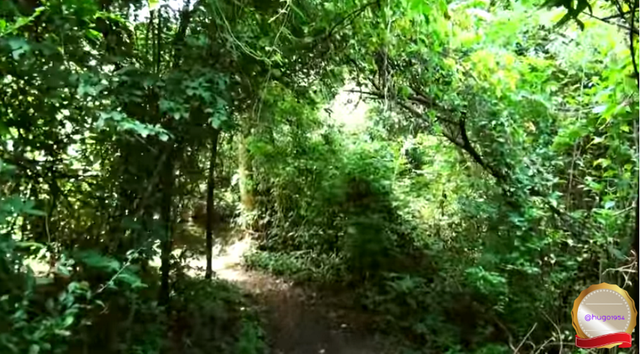
We stop to take photos, it rains, the sun rises, a dense fog falls, it is discovered and it allows us to see amazing yellow lapachos, walnut trees, bushes (of the myrtle family), cedars and tree ferns.
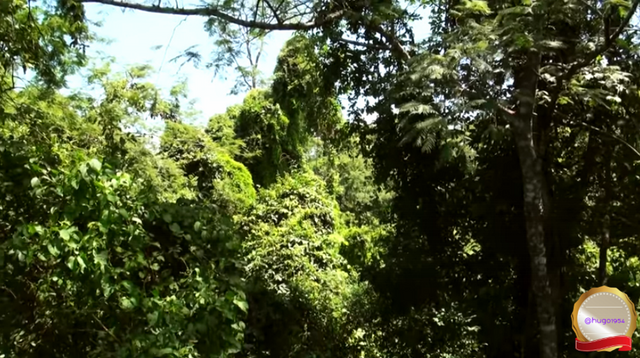
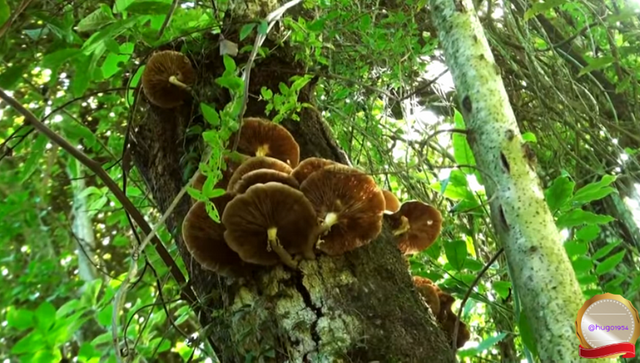
Drizzle, mist, dripping leaves, rays of light from some elusive and persistent reflection of the sun. It is a deep and undulating hillside full of epiphytes - plants that grow on others - that create a magical halo. From time to time, we feel that we have entered a parallel universe more similar to that of the movie Avatar than ours.
The tree community gathers a number of species which vary according to altitude levels, from the valleys to the ridges of the mountainous areas. In the lower levels, forestry such as jacaranda, peteribí, viraró and quina develop.
A unique species due to its behavior is the maroma, whose seed germinates on the branch of a tree, expands and lengthens its roots to the ground, and then develops its trunk and branches by wrapping and even drowning the specimen that gave it support.
Above this level, the jungle loses biodiversity and acquires the character of a forest, in which the coniferous pine of the hill, the alder and the walnut stand out.
This is emphasized in the case of species such as the caí monkey, the river wolf, the ocelot or ounce cat, the tapir, the yaguareté, which not only integrate our native fauna but also appear in the lists of endangered species , made by specialists in the subject.
In better conditions are other mammals, such as the cougar, the ferret, the lipped peccary, the mayuato or washing bear, the corzuela, the tapir, on the banks of watercourses the capybara and many others
An animal that is very curious about its way of life is aí-aí or lazy. Thanks to its strong hooked nails, it lives and moves hanging from the branches.
Their movements are of an imperceptible slowness reason why it is very difficult to discover it; for the better, chlorophytic algae develop in the hairs (honeycomb hairs) on the belly and sides that give it a greenish hue that blends in with the environment.
A special mention should be made for the friendly and elusive squirrel, whose image is the center of attention in the Park's logo.
A particular chapter is that of birdlife, whose biodiversity and exclusivity stands out over the same characters of the birds of other parks that house sectors of the Yungas (P.N. Calilegua and P. N. El Rey).
The condor and the red-headed jote and the black-headed jote are prominent birds.
The large toucan, a variety of hummingbirds, parrots and the magpie are characteristic.
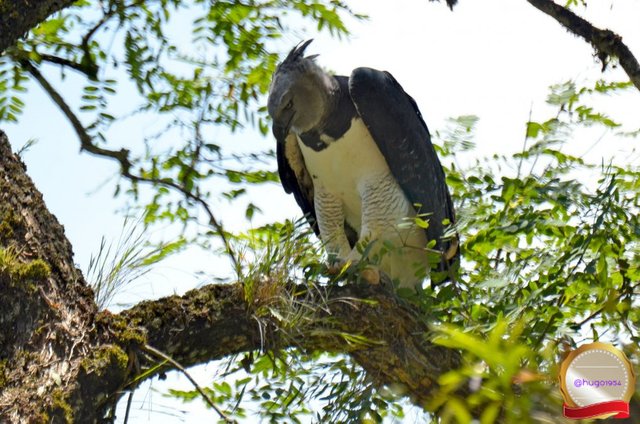
In the Park area, species such as the peregrine falcon, the widow eagle and the green macaw find safety, the possibility of survival outside of the protected areas is critical.
Around or in water sources, various species of toads can be observed, the notable marsupial frog and an endemic climbing frog. Among native fish, the mojarras, the old water, the shad, the catfish and the dorados are common.
Of the numerous water courses that cross it, the most important are the Lipeo river in the north, and the Porongal and Pescado rivers, which drain into the Bermejo river and in a small section form the northeast limit of the Park.
We had started with our first installment on the Calilegua National Park in the province of Jujuy.
Today we will visit another natural park, in this case in the neighboring province of Salta: the Baritú National Park.
And, like the Calilegua National Park, it is one of the integral areas of the Yungas biosphere reserve.
The Yungas Biosphere Reserve is part of the World Network of Biosphere Reserves promoted by the UNESCO Man and Biosphere Program (MAB).
 |
| Baritú National Park is a protected natural area located in the Santa Victoria department of the province of Salta. |
Baritú National Park, protected natural area.
Currently the condition of the park is in danger, due to the exotic of the species that coexist there that are constantly stalked by the poachers of the region, who day after day, are caught or killed some species. Likewise, there is another problem within the vicinity of the Baritú National Park and this has to do with illegal logging for the extraction of wood in the area. |
| It is through that country that you enter the National Park, through the Pan-American route N ° 1 until you reach the Los Toldos junction. |
Read also: A virtual journey through the national parks of Argentina: Calilegua yungas biosphere reserve.Here the water courses of the Lipeo, Porongal and Pescado rivers run; on whose banks you can find silly birds and different bushes.
In this framework, one of the most visited attractions in the area are the water wells, which house shads, river lions and the washed bear, with its characteristic black mask and ringed tail.
 |
| The best time to visit the park is from June to October. |
It is traveled on foot or on horseback, always accompanied by a guide due to the complexity of the circuit.
Due to the abundant humidity and high temperatures that characterize this corner of northern Argentina, it is important that visitors wear light waterproof clothing.
The reserve.
 |
| The truck climbs to 1,800 meters above sea level and then drops again to 1,500 meters above sea level. |
 |
| Everyone's great dream -including the park ranger- is the jaguar. |
Not only scientists, botanists, and naturalists come. There are also adventurers who like to know almost virgin spaces and passionate about birds.
The truck climbs to 1,800 meters above sea level and then drops again to 1,500 meters above sea level. Even Baritú is only 44 km, but it takes us a few hours.
We stop to take photos, it rains, the sun rises, a dense fog falls, it is discovered and it allows us to see amazing yellow lapachos, walnut trees, bushes (of the myrtle family), cedars and tree ferns.
 |
| A unique species due to its behavior is the maroma, whose seed germinates on the branch of a tree |
The tree community gathers a number of species which vary according to altitude levels, from the valleys to the ridges of the mountainous areas. In the lower levels, forestry such as jacaranda, peteribí, viraró and quina develop.
A unique species due to its behavior is the maroma, whose seed germinates on the branch of a tree, expands and lengthens its roots to the ground, and then develops its trunk and branches by wrapping and even drowning the specimen that gave it support.
Flora.
In the intermediate levels of the slopes, up to around 1400 m.a.s.l, imposing Salta cedars, yellow lapacho, horco-molle, Creole walnut and others live. |
| The tree community gathers a number of species which vary according to altitude levels. |
Above this level, the jungle loses biodiversity and acquires the character of a forest, in which the coniferous pine of the hill, the alder and the walnut stand out.
Fauna.
As for the fauna that inhabits the Park, its composition and variety make it a resource of singular importance among the conservation objectives.This is emphasized in the case of species such as the caí monkey, the river wolf, the ocelot or ounce cat, the tapir, the yaguareté, which not only integrate our native fauna but also appear in the lists of endangered species , made by specialists in the subject.
 |
| Trap cameras installed in the Park. |
In better conditions are other mammals, such as the cougar, the ferret, the lipped peccary, the mayuato or washing bear, the corzuela, the tapir, on the banks of watercourses the capybara and many others
An animal that is very curious about its way of life is aí-aí or lazy. Thanks to its strong hooked nails, it lives and moves hanging from the branches.
Their movements are of an imperceptible slowness reason why it is very difficult to discover it; for the better, chlorophytic algae develop in the hairs (honeycomb hairs) on the belly and sides that give it a greenish hue that blends in with the environment.
 |
| The jaguar (Panthera onca) is the largest feline in America. In Argentina its populations have decreased alarmingly and it is considered Critically Endangered. |
A particular chapter is that of birdlife, whose biodiversity and exclusivity stands out over the same characters of the birds of other parks that house sectors of the Yungas (P.N. Calilegua and P. N. El Rey).
The condor and the red-headed jote and the black-headed jote are prominent birds.
The large toucan, a variety of hummingbirds, parrots and the magpie are characteristic.
 |
| The park has 72,000 hectares of yungas, surrounded by mountain ranges with peaks over 2,000 meters high. |
In the Park area, species such as the peregrine falcon, the widow eagle and the green macaw find safety, the possibility of survival outside of the protected areas is critical.
Read also: A virtual journey through the National Parks of Argentina (# 5): Rio Pilcomayo.Among the reptiles, the variety of lizards, snakes and some poisonous form (yaraba chica) is notorious.
 |
| The tourist tours are reserved for those who have a great spirit of adventure, since accessing the protected area is quite a challenge. |
Around or in water sources, various species of toads can be observed, the notable marsupial frog and an endemic climbing frog. Among native fish, the mojarras, the old water, the shad, the catfish and the dorados are common.
Of the numerous water courses that cross it, the most important are the Lipeo river in the north, and the Porongal and Pescado rivers, which drain into the Bermejo river and in a small section form the northeast limit of the Park.
 |
| Its geography is rugged, making access to the area difficult. |