F
Showing posts with label Corrientes. Show all posts

13.-Esteros-del-Iberà-8-ave.jpg

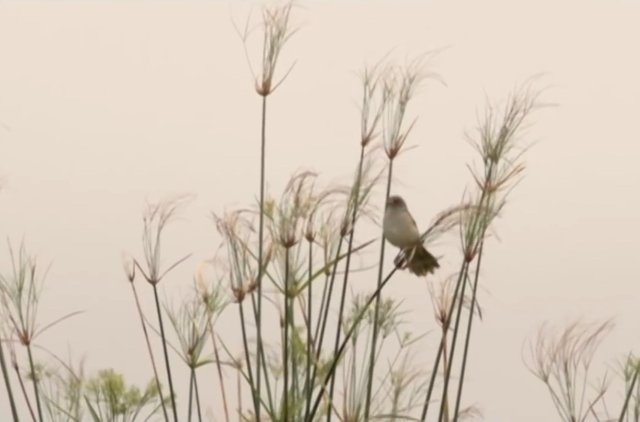
The Esteros del Iberá constitutes one of the largest and most important wetland macrosystems in Neotropical America, which earned it its designation as a Provincial Reserve.
13.-Esteros-del-Iberà-gavilan-polluelo.jpg

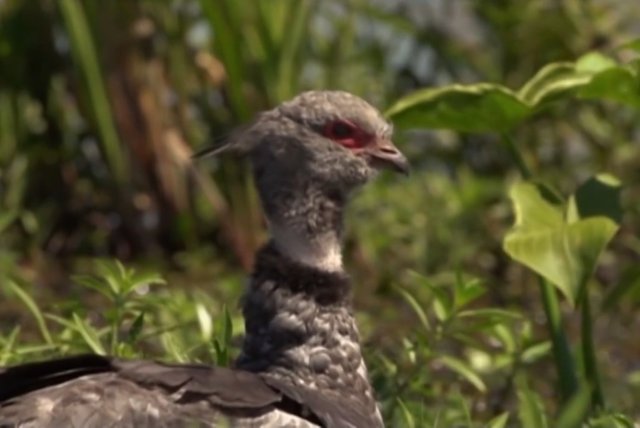
The diet of the sparrowhawk pollero is based mainly on small insects, mammals and reptiles of medium size. They are generally established in extensive mountains, in savannas and lush forests.

Likewise, within this extensive wetland, the second in importance after the Pantanal in Brazil, the Esteros del Iberá National Park has recently been created. With a very rich and varied bird life. Ideal for watching.
13.-Esteros-del-Iberà-21-garza-blanca.jpg

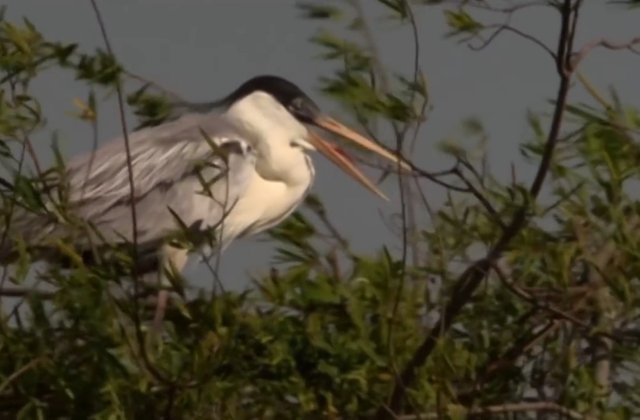
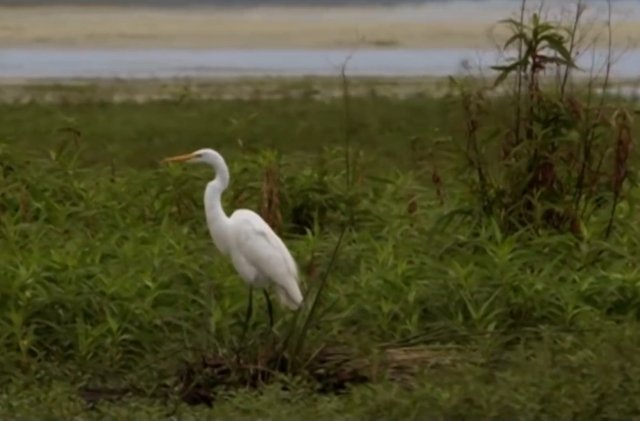
The white heron is large and solitary except when there is concentration of food and it forms groups.

It is also one of the least altered regions of Argentina, preserving threatened species and relatively pristine habitats, although growing and diverse human activities are increasingly impacting the region.
13.-Esteros-del-Iberà-15-boyero.jpg

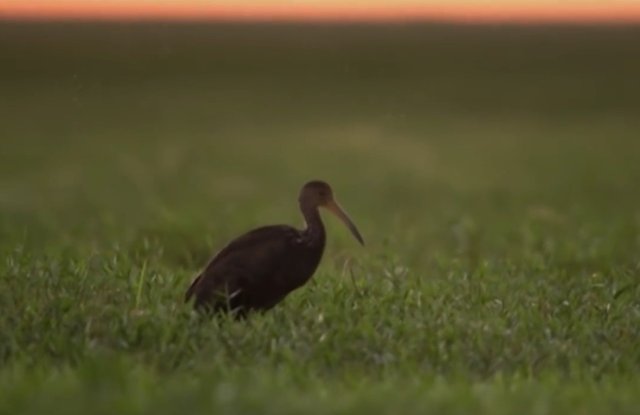
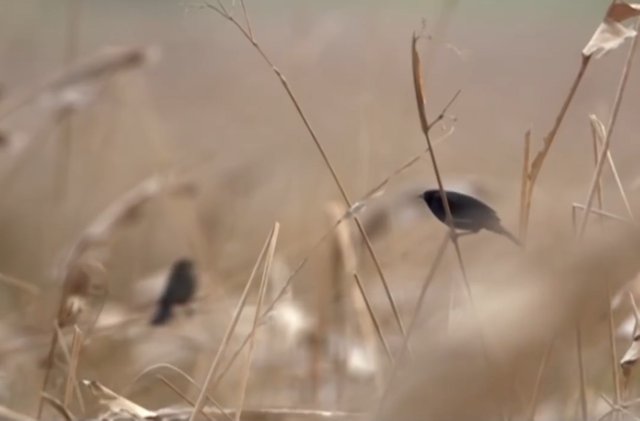
The boyero is black with an ivory-colored beak and makes its hanging nest, made of woven fibers, shaped like a bag with an upper entrance. Its natural habitat is low forests and tropical or subtropical swampy areas.

The isolation of the contiguous river systems, its exclusive feeding by rains and its location in a transitional region between several biogeographical provinces and between tropical and temperate climates, make Iberá a particular and unique system.
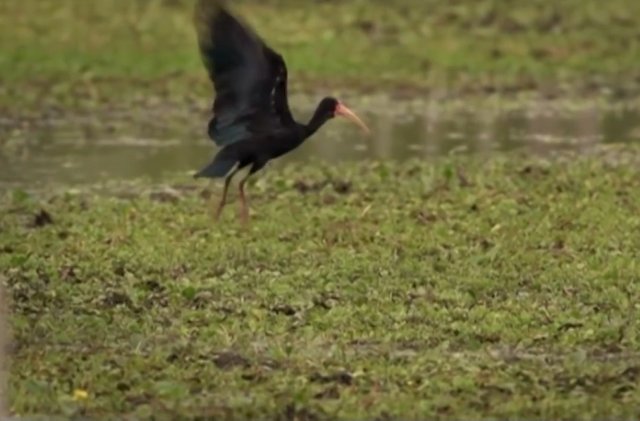
13.-Esteros-del-Iberà-24-bigua-o-cormoran-negro.jpg

The black cormorant is a species found in any large body of water within its global range, including lakes, rivers, estuaries, and coastal waters.

One of the most salient aspects is the number of birds: more than 350 species. A community of birds that presents variations in its composition, richness, abundance and diversity in relation to biogeographic and ecological zones of Iberá.
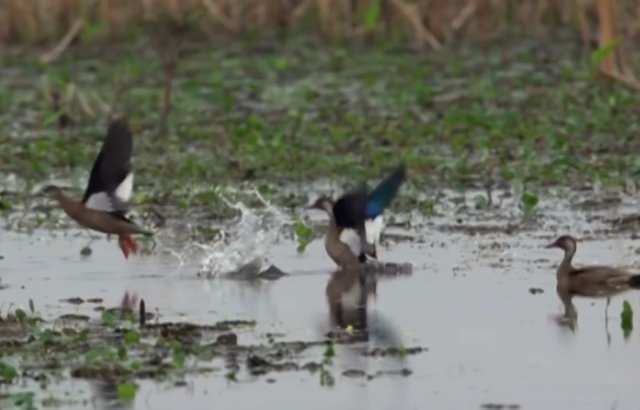
13.-Esteros-del-Iberà-14-patos-reales.jpg

The mallard duck is a very common and widespread species in all the Esteros del Iberá.

There are some threatened species that have found in this ecosystem the only way to continue subsisting.

There is even an underwater world, despite the depth of the humedial not exceeding two meters, practically unknown.
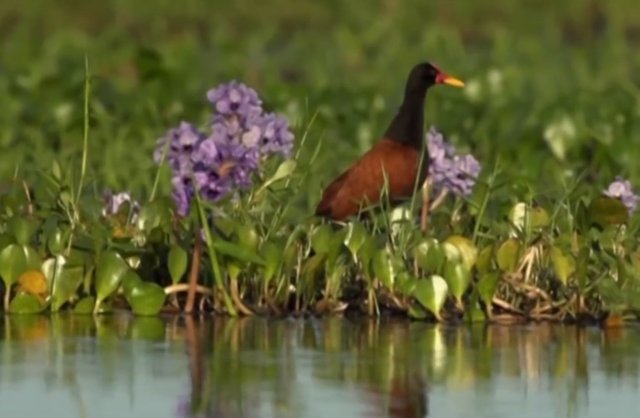
13.-Esteros-del-Iberà-28-jacana.jpg

The jacaná is a very common marsh bird in the Esteros del Iberá. His toes are so long that he can walk on floating aquatic vegetation without sinking

Plants that continue to grow underwater, unknown fish, a whole underwater world of little depth, but new and fascinating even for science that has studied it very little, dedicating itself above all to underwater life in the oceans and seas.
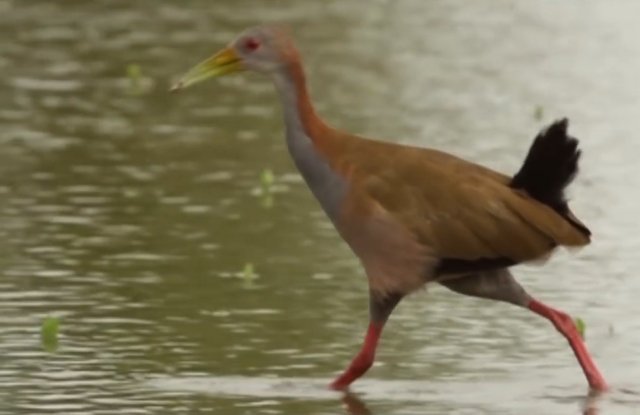
13.-Esteros-del-Iberà-31-fauna-Ipacaá.jpg

Similar in appearance to a redfish, the Ipacaá is a bird that inhabits the island bush, roaming through swamps and swamps in search of insects, worms, seeds and fruits, which make up a broad, almost omnivorous diet.

Let's see some of the species that we have managed to photograph.
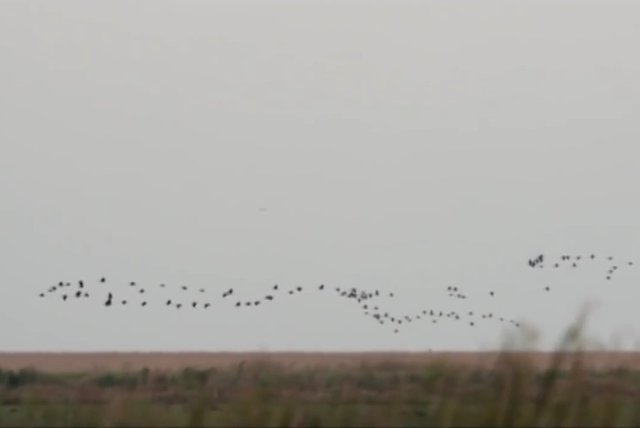
13.-Esteros-del-Iberà-16-bandada-de-patos.jpg

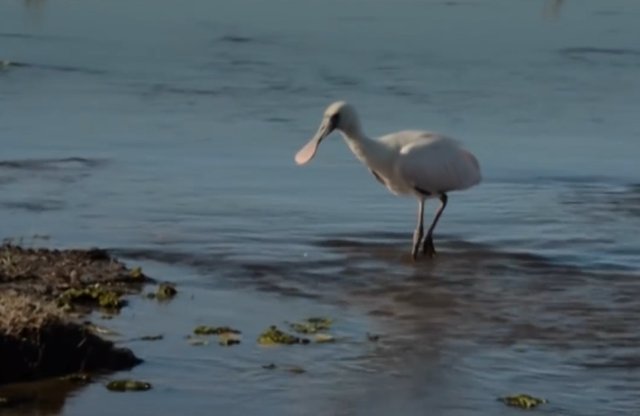
The Esteros del Iberá [Argentina] are a natural paradise for birds.
13.-Esteros-del-Iberà-yetapa-de-collar.jpg

13.-Esteros-del-Iberà-pato-pico-cuchara.jpg

13.-Esteros-del-Iberà-35-garza-overa.jpg

13.-Esteros-del-Iberà-30-ave.jpg

13.-Esteros-del-Iberà-23-ave.jpg

https://steemit.com/hive-148441/@testarasta/the-natural-paradise-of-birds-in-the-esteros-del-ibera-argentina

1.- A traditional tour of the city of Buenos Aires and Caminito Street Museum Quinquela Martin.
A traditional tour of the city of Buenos Aires and Caminito Street Museum Quinquela Martin.
The October 18, 1959 with the presence of Buenos Aires mayor Hernán Giralt, and other senior officials was officially opened Caminito Street, between the sound of the bombs and the wailing sirens of the boats. The noise of the Boca family was complete and the musician ovation. Since then the Caminito of La Boca became a meeting place for Argentines and foreigners included in the tourist guide

2.- Yabotí Biosphere Reserve, missionary natural heritage.
Yabotí Biosphere Reserve, missionary natural heritage.
The Biosphere Reserve Yabotí ("turtle" in Guarani) is located in the departments of San Pedro and Guaraní, the municipalities of San Pedro and the Magnificent (the center area of the province of Misiones, comprising Flag of Argentina.svg Argentina). There are clearly influenced by the towns of San Pedro, with 18,069 inhabitants, The Proud, with 15,109 hab., And San Vicente, with 27,693
3.- Recovery Center and Breeding Bird Endangered Guira Oga, in the heart of the missionary forest.
Recovery Center and Breeding Bird Endangered Guira Oga, in the heart of the missionary forest.
Guira Oga was built in the jungle using the spaces opened by the fall of large trees by the wind, storms and heavy rains, meaning that the construction was not removing a single tree, demonstrating that the man, when He proposes, can live in harmony and balance without modifying or destroying the ecosystem in which it occurs. In 1994, the Ornithological Association of the Silver (Aves
4.- The "Cañadón de Profundidad" Provincial Park and the captivating atmosphere of the jungles of Urunday.
The
The "Cañadón de Profundidad", located about 30 kilometers from the capital of the province of Misiones, the city of Posadas, Provincial Park was created in order to have an area for education and recreation, in the vicinity of the former city, and therefore only represents a small sample of beautiful and captivating environment Urunday jungles, although it has a total area of 19 hectares.
5.- The Yacuy Provincial Park is a protected natural area in the province of Misiones.
The Yacuy Provincial Park is a protected natural area in the province of Misiones.
The Yacuy Provincial Park is a protected area of the province of Misiones Argentina natural area. It is located in the General Manuel Belgrano Department and has an area of 347 hectares. It is an annex of the Iguazu National Park and its purpose is to protect the ecosystem of the river basin Yacuy. It was created in 1991 by Act No. 2876. Location: General Manuel Belgrano department,
6.- The 10 Most Popular Posts on Argentina Photo Gallery in July 2015.
The 10 Most Popular Posts on Argentina Photo Gallery in July 2015.
1.- The Chaco National Park is a national park of Argentina, located in the province of Chaco. The Chaco National Park is a national park of Argentina, located in the province of Chaco. It has an area of 150 km². It was created in 1954 in order to protect a sample of the Eastern Chaco, composed mainly of warm lowlands, with an annual summer rainfall between 750 and 1,300 mm. This park is a
7.- Science and technology in Argentina.
Science and technology in Argentina.
The history of science in Argentina describes the fate of researchers and scientific institutions of the country, often exposed to the elements of its economy and its politics, but able, nevertheless, to produce enduring works and useful to know and technology. The times of the governments of Bernardino Rivadavia and Domingo Faustino Sarmiento , or the generation of 1880 , or the luminous years
8.- The Chaco National Park is a national park of Argentina, located in the province of Chaco.
The Chaco National Park is a national park of Argentina, located in the province of Chaco.
The Chaco National Park is a national park of Argentina, located in the province of Chaco. It has an area of 150 km². It was created in 1954 in order to protect a sample of the Eastern Chaco, composed mainly of warm lowlands, with an annual summer rainfall between 750 and 1,300 mm. This park is a protected area for the quebracho trees. Forests of quebracho colorado chaqueño (Schinopsis
9.- Summer holiday destination for millions of Argentines, the Atlantic coast has some excellent beach resorts.
Summer holiday destination for millions of Argentines, the Atlantic coast has some excellent beach resorts.
Summer holiday destination for millions of Argentines, the Atlantic coast has some excellent beach resorts, while inland in the sierra there is fine countryside to explore. Atlantic coastline. Like most people, Argentines like to see the sea and will endure congested roads and standing-room-only beaches to do so. No sooner is the New Year’s celebration over than large swathes of the Buenos
10.- Jaramillo Petrified Forest.
Jaramillo Petrified Forest.
The logs and pine nuts found correspond to a monkey-puzzle tree species with similar features to those upholstering the mountains of Neuquén and they are the object of constant scientific research. At Puerto Deseado, it is possible to get away from the coast towards the mountain range area and set foot on the most important fossil site in Argentina: Jaramillo Petrified Forest. Several stops can
If you liked this article, subscribe to the feed by clicking the image below to keep informed about new contents of the blog:
rss-icon-feed
1.- The Los Alerces National Park boasts lovely and simultaneously protects forests of ancient larches.
The Los Alerces National Park boasts lovely and simultaneously protects forests of ancient larches.
The Los Alerces National Park is located in the west of the province of Chubut. It has an area of ​​259,570 hectares belonging to the Patagonian Forests ecoregion. Decree No. 1937 105 433 set for different areas in the Andean Patagonia status reserves bound for the subsequent creation of National Parks. One of these territories was the Reserve Larches. In April 1945, through Decree

1.- The Salto Encantado is one of the most impressive leaps in the province of Misiones.

The Salto Encantado is one of the most impressive leaps in the province of Misiones.

Cainguás Department in the Province of Misiones, is faithful representative of this region waterfalls combining with an exciting jungle environment. One of the most famous landmarks is the Salto Encantado Provincial Park, located 5 kilometers from the homonymous Villa and 8 kilometers from the city of Aristobulo del Valle. Tour Wedge Piru Creek, extends its 706 hectares sheltering numerous

Read More ... »

1.- The Salto Encantado is one of the most impressive leaps in the province of Misiones.

The Salto Encantado is one of the most impressive leaps in the province of Misiones.

Cainguás Department in the Province of Misiones, is faithful representative of this region waterfalls combining with an exciting jungle environment. One of the most famous landmarks is the Salto Encantado Provincial Park, located 5 kilometers from the homonymous Villa and 8 kilometers from the city of Aristobulo del Valle. Tour Wedge Piru Creek, extends its 706 hectares sheltering numerous

Read More ... »

1.- The Chaco National Park is a national park of Argentina, located in the province of Chaco.

The Chaco National Park is a national park of Argentina, located in the province of Chaco.

The Chaco National Park is a national park of Argentina, located in the province of Chaco. It has an area of 150 km². It was created in 1954 in order to protect a sample of the Eastern Chaco, composed mainly of warm lowlands, with an annual summer rainfall between 750 and 1,300 mm. This park is a protected area for the quebracho trees. Forests of quebracho colorado chaqueño (Schinopsis

Read More ... »

1.- The Chaco National Park is a national park of Argentina, located in the province of Chaco.

The Chaco National Park is a national park of Argentina, located in the province of Chaco.

The Chaco National Park is a national park of Argentina, located in the province of Chaco. It has an area of 150 km². It was created in 1954 in order to protect a sample of the Eastern Chaco, composed mainly of warm lowlands, with an annual summer rainfall between 750 and 1,300 mm. This park is a protected area for the quebracho trees. Forests of quebracho colorado chaqueño (Schinopsis

Read More ... »

This is a region of large rivers, humid tropics, red earth, magnificent forest, a virgin forest full of huge trees and extraordinary flora and fauna. Great Waters – “Iguazú” in the Guaraní language – overflowing into one of the world’s wonders: the Iguazú Falls.

A scenery of exuberant beauty spreading along the Iguazú National Park, Saltos del Moconá (Moconá Falls), Río Pilcomayo National Park, El Palmar National Park, Esteros del Iberá (Iberá Swamps) or the Chaco plains.

argentina-litoral

1.- Buenos Aires: Vivid colors of an old city.
Buenos Aires: Vivid colors of an old city.
talian immigrants, the steak is one of the few indigenous art forms. Become a symbol of an era in which he won fame with popular sayings texts now demand and interest in this art travels the world. He was a stubborn Italian and as such refused to continue painting the cars municipal gray tones such as oppressed him. Vincent Brunetti is that he liked the colors. One day he came to the shop and

1.- The Fitz Roy is famous of impossible to huge rock walls covered with ice floes.

The Fitz Roy is famous of impossible to huge rock walls covered with ice floes.

The Fitz Roy is also called Chalten, Mount smoking. So they had baptized the Indians, believing a volcano because of the fog that envelops the top. High just over three thousand meters, the Fitz Roy is famous for the enormous impossible cliffs often covered by ice floes and the prohibitive weather conditions. The same weather conditions that did tell Lionel Terray, the legendary French

Read More ... »

1.- Whales in Patagonia.

Whales in Patagonia.

The southern right whale is the great protagonist of Patagonian whale watching. The point is that in the winter and when the spring comes, a large number of whales approach the Valdés Peninsula region, mainly Golfo San José and Golfo Nuevo, in the Province of Chubut. carajo From early June to the beginning of November, hundreds of right whales come near the shore to mate and breed. Some

Read More ... »

1.- Cycling the Abra del Acay.

Cycling the Abra del Acay.

Weds 14 Nov: San Antonio de los Cobres – La Poma (c. 2830m) (92km, 1350m ascent). The big day. We set off early, retracing to Los Patos and turning right. The route follows a stream through a broad valley, with a few settlements off the road. At 18km is what looks to be a good campsite (presumably the one used by Stefan Roman). 7km later there is a sandy stretch with no habitation beyond.

Read More ... »

1.- Legends and Myths Patagonian "Kospi" how the flowers were born.
Legends and Myths Patagonian "Kospi" how the flowers were born.
A long, long time, the plants still had flowers. At that time lived in a beautiful southern girl named tehuelche Kospi, soft hair and sweet brown eyes. A stormy afternoon, when the flash of lightning lit up every corner of the earth, Karut (thunder), leaning out stared at the entrance at Kau (canopy) of their parents. The looked so beautiful that even though it was rustic, surly and rough,

1.- Cape Two Bays is considered the most beautiful in the coastal protected areas system.

cabo dos bahiasCape Two Bays is considered the most beautiful in the coastal protected area system by contrasting their brownstones landscape and the blue sea. It has an extraordinary diversity of wildlife is inhabited not only by penguins Magellanic but also seals, guanacos and cormorants, among other wildlife. Some of seabirds that inhabit this place used as the sole breeding site.

2.- Choele Choel is the most important urban center of what is denominated Half Valley.

choele_choel_cartelChoele Choel was founded July 9 1879 by the general Conrado Villegas in the island Pacheco, with the name Nicolás Avellaneda. It was razed little time later by a flood and the soldiers and their families, next to some civilians, they settled in the well-known place as Pampas de losMolinos, where it remained up to March of l882 18, it dates in that was transferred to their current location.

3.- Las Grutas are located in the Gulf San Matías on the Atlantic coast of the Province of Río Negro.

las grutas mapThe coast Atlantic rionegrina has three important and outstanding points, one to be a highly converged tourist center, another to be center of the commercial marine fishing, and the third to constitute a fundamental support for the economic activity of the Patagonia. We are speaking of Las Grutas, San Antonio Oeste and Puerto San Antonio,, respectively. To Las Grutas they arrive every year tourists' thousands willing to have a good time, to relax you and to pass it well. They arrive attracted by their beaches with cliffs of incredible beauty, and for the famous warm waters of these costs.

4.- Discover Jujuy: Community-Based Rural Tourism.

jujuy turismo-rural-22What does it mean for us the Community-Based Rural Tourism and how do we understand it?

The Community-Based Rural Tourism means solidarity tourism activities from an intercultural perspective relating the rural community with visitors, with joint participation of its members, tending to an adequate management of natural resources and cultural heritage assessment, based on principles of equity and fairness, and in the distribution of profits.

5.- Discover Jujuy: Cultural Turismo, A Melting Pot of Cultures.

Carnavalito_en_HumahuacaThe celebration of Carnival in February; or March during Easter Time; or the Pachamama ceremony during August, are some of the many cultural alternatives offered by the Province. In La Puna, a faithful reflection of the High Andean Plateau, you can find traces of people who sealed milestones in Argentina and South America, such as the Inca Trail or manifestations of rock art, petroglyphs and archaeological remains from various origins.

6.- Discover Jujuy: Religious Tourism, Unique Religious Attractions In The Country.

turismo religioso iglesiaThe Province of Jujuy offers a calendar filled with religious festivities, a product based on the important roots of the catholic faith and spiritual influence on its population. 

7.- Carlos Casalla father of legendary cartoon character Cape Savino.

Father of the legendary cartoon character Cape Savino, settled in Bariloche Casalla fifty years ago. Smart and warm, was the last in his stories in a rigorous manner. The Great Lake, one of his last works, was selected by UNESCO as a reference against discrimination.

8.- Cuesta de Miranda, spectacular mountain road flanked by deep valleys and gorges.

cuesta-de-miranda_jpgLa Cuesta de Miranda is a beautiful, winding stretch in which National Route 40 runs through the pass between the Sierras de Famatina Sañogasta and Chilecito between Villa Union and La Rioja.
Cuesta also known as "the" Miranda, this stretch of Route 40 naughty step, broken (or "costs") that cuts through the Sierra de Famatina (north) and those of Sañogasta (south) following after the deep valley of the river Miranda. Is not entirely asphalt.

9.- Neuquén has strong cultural roots on the millenarian mapuche tradition.

Neuquén (in mapuche language, “daring, and vehement”) has strong cultural roots on the millenarian mapuche tradition (mapu – land, che – people).
Presently many mapuche communities live in Neuquén territory, especially in Patagonia of Lakes, and they give value to their vision of the world and their customs inviting people to visit their lands and share their traditions.

10.- From Uritorco water flows down, many in underground, coming to form springs.

uritorco The Uritorco is a hill of 1949 m in the center of Argentina, located in the north Punilla Valley, close to Capilla del Monte, in the province of Cordoba , accessible routes provincial RN 38 and 17. Its summit is the highest point of the Sierras Chicas, formerly called Viarava. It is considered the sixth Córdoba Natural Wonder.

If you liked this article, subscribe to the feed by clicking the image below to keep informed about new contents of the blog:

argentina-litoral

This is a region of large rivers, humid tropics, red earth, magnificent forest, a virgin forest full of huge trees and extraordinary flora and fauna. Great Waters – “Iguazú” in the Guaraní language – overflowing into one of the world’s wonders: the Iguazú Falls.

A scenery of exuberant beauty spreading along the Iguazú National Park, Saltos del Moconá (Moconá Falls), Río Pilcomayo National Park, El Palmar National Park, Esteros del Iberá (Iberá Swamps) or the Chaco plains.

Apotheosis of Nature, where the Jesuit ruins, declared World Heritage by the UNESCO, are a vivid testimony of the Society of Jesus’ fruitful work.

Activities

Excitement

Carnaval-de-Corrientes

Routes

  • The rain forest of the Missions
misiones-argentina-ppt-presentation-map

misiones_san_ignacio

iguazu

The river Uruguay coast

el_palmar

Off the beaten track

Ibera_yacare 

Rosario_-Argentina

source: Argentina Discovery

www.zanox.com

If you liked this article, subscribe to the feed by clicking the image below to keep informed about new contents of the blog:


Copyright © 2015 Argentina Photo Gallery
Distributed By Gooyaabi Templates
-->