In Argentina it is called province to the states that make up the nation, according to the principles of federalism established in the Constitution. Legally Argentina is a federation of provinces and maintained by constitutional mandate the historical names of United River Plate and Argentina Confederation Provinces, in addition to the more usual Argentina.
Argentine provinces govern themselves, they write their own constitutions and have executive, legislative and judicial powers themselves, including their own provincial police. Fourteen of them are historically and legally existed prior to the current national organization, and with nine subsequently created exclusively retain all powers not expressly delegated to the Nation in the Constitution.
 Official name:
Argentinian republic
Total area:
3,761,274 km2
Sup. Americas
2,791,810 km2
Sup. Antarctic Continent
969,464 km2
Capital:
Autonomous City of Buenos Aires
Political division:
1 autonomous city and 23 provinces
Government:
Republican Representative and Federal
Population:
40,117,096 inhabitants. 2010 Census.
Language:
Spanish
Monetary unit:
Weight
Autonomous City of Buenos Aires.
 Capital
Capital City of Argentina
Surface:
200 km2
Population:
2890151 hab.
Argentine provinces.
BUENOS AIRES.
 Capital city
La Plata
Surface:
307,571 km2
Population:
15625084 hab.
CATAMARCA.
 Capital city
San Fernando del Valle de Catamarca
Surface:
102,602 km2
Population:
367,828 hab.
CHACO.
 Capital city
Resistance
Surface:
99,633 km2
Population:
1055259 hab.
CHUBUT.
 Capital city
Rawson
Surface:
224,686 km2
Population:
509,108 hab.
 Capital city
Cordova
Surface:
165,321 km2
Population:
3308876 hab.
CURRENTS.
 Capital city
currents
Surface:
88,199 km2
Population:
992,595 hab.
BETWEEN RIVERS.
 Capital city
Paraná
Surface:
78,781 km2
Population:
1235994 hab.
FORMOSA.
 Capital city
Formosa
Surface:
72,066 km2
Population:
530,162 hab.
JUJUY.
 Capital city
San Salvador de Jujuy
Surface:
53,219 km2
Population:
673,307 hab.
THE PAMPA.
 Capital city
Saint Rose
Surface:
143.440 km2
Population:
318,951 hab.
THE RIOJA.
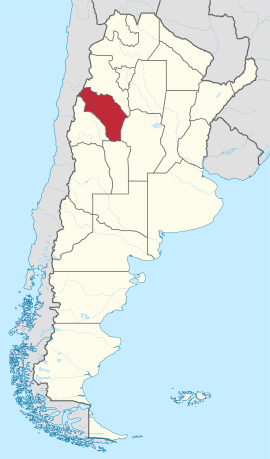 Capital city
The Rioja
Surface:
89,680 km2
Population:
333,642 hab.
MENDOZA.
 Capital city
Mendoza
Surface:
148,827 km2
Population:
1738929 hab.
MISSIONS.
 Capital city
posadas
Surface:
29,801 km2
Population:
788,915 hab.
NEUQUÉN.
 Capital city
Neuquén
Surface:
94,078 km2
Population:
388,833 hab.
BLACK RIVER.
 Capital city
Viedma
Surface:
203,013 km2
Population:
638,645 hab.
SALTA.
 Capital city
Salta
Surface:
155,488 km2
Population:
1214441 hab.
SAN JUAN.
 Capital city
San Juan
Surface:
89.651 km2
Population:
681,055 hab.
SAINT LOUIS.
 Capital city
saint Louis
Surface:
76,748 km2
Population:
432,310 hab.
SANTA CRUZ.
 Capital city
Rio Gallegos
Surface:
243,943 km2
Population:
273,964 hab.
SANTA FE.
 Capital city
Santa Fe
Surface:
133,007 km2
Population:
3194537 hab.
SANTIAGO DEL ESTERO.
 Capital city
Santiago del Estero
Surface:
136,351 km2
Population:
874,006 hab.
TUCUMÁN.
 Capital city
San Miguel de Tucuman
Surface:
22,524 km2
Population:
1448200 hab.
TIERRA DEL FUEGO, Antarctica and South Atlantic Islands
 Capital city
Ushuaia
Total area:
1,002,445 km2
Sup. Antartida
965,597 km2
Sup. Austral Islands
3867 km2
Population:
127,205 hab.
Bibliography:

Argentine provinces govern themselves, they write their own constitutions and have executive, legislative and judicial powers themselves, including their own provincial police. Fourteen of them are historically and legally existed prior to the current national organization, and with nine subsequently created exclusively retain all powers not expressly delegated to the Nation in the Constitution.

Argentinian republic
Total area:
3,761,274 km2
Sup. Americas
2,791,810 km2
Sup. Antarctic Continent
969,464 km2
Capital:
Autonomous City of Buenos Aires
Political division:
1 autonomous city and 23 provinces
Government:
Republican Representative and Federal
Population:
40,117,096 inhabitants. 2010 Census.
Language:
Spanish
Monetary unit:
Weight
Autonomous City of Buenos Aires.

Capital City of Argentina
Surface:
200 km2
Population:
2890151 hab.
Argentine provinces.
BUENOS AIRES.

La Plata
Surface:
307,571 km2
Population:
15625084 hab.
CATAMARCA.

San Fernando del Valle de Catamarca
Surface:
102,602 km2
Population:
367,828 hab.
CHACO.
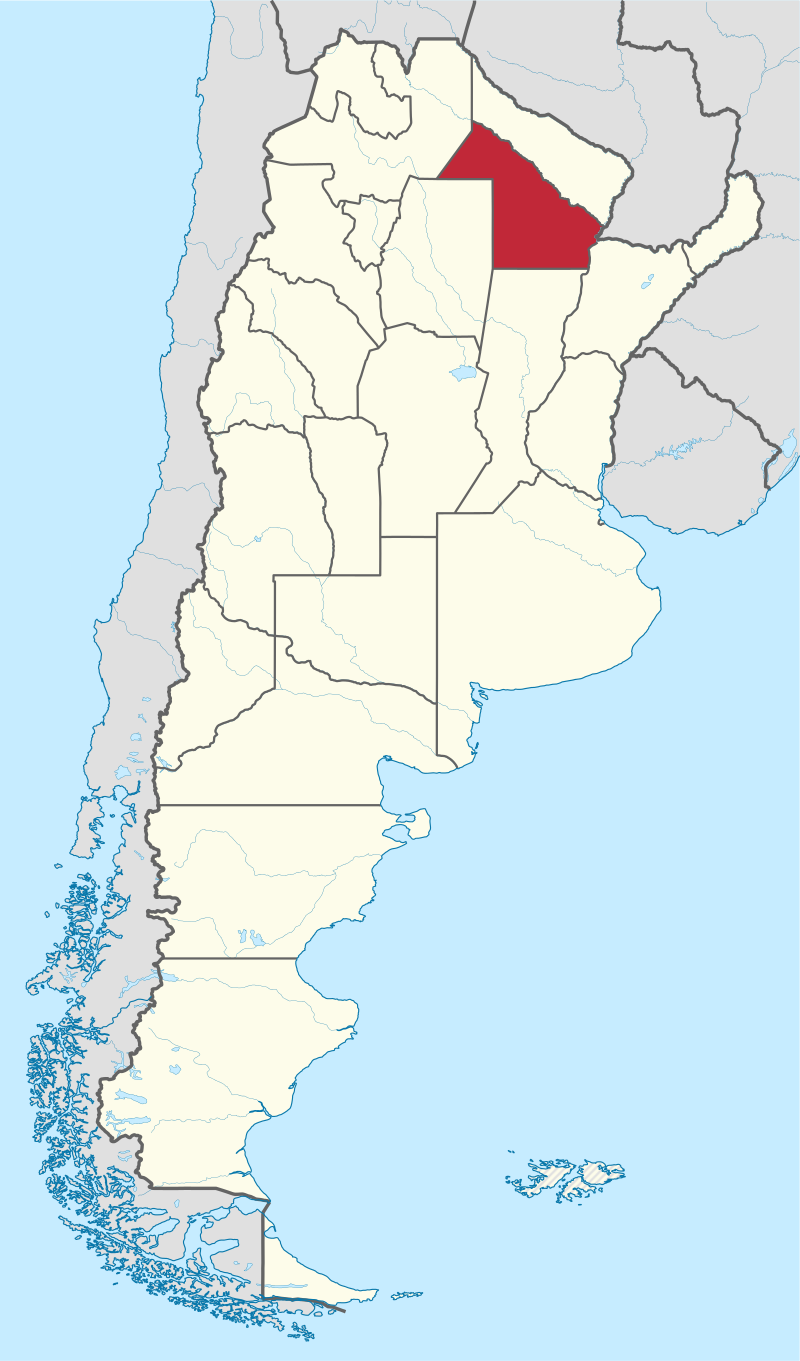
Resistance
Surface:
99,633 km2
Population:
1055259 hab.
CHUBUT.

Rawson
Surface:
224,686 km2
Population:
509,108 hab.
Read also: Argentina is composed of nine geographical regions.CORDOVA

Cordova
Surface:
165,321 km2
Population:
3308876 hab.
CURRENTS.

currents
Surface:
88,199 km2
Population:
992,595 hab.
BETWEEN RIVERS.

Paraná
Surface:
78,781 km2
Population:
1235994 hab.
FORMOSA.

Formosa
Surface:
72,066 km2
Population:
530,162 hab.
JUJUY.

San Salvador de Jujuy
Surface:
53,219 km2
Population:
673,307 hab.
THE PAMPA.

Saint Rose
Surface:
143.440 km2
Population:
318,951 hab.
THE RIOJA.
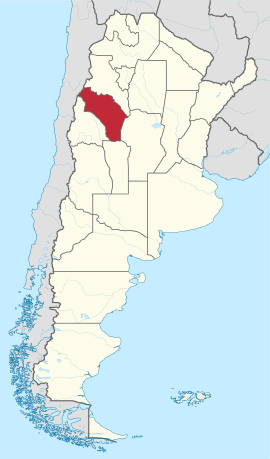
The Rioja
Surface:
89,680 km2
Population:
333,642 hab.
MENDOZA.

Mendoza
Surface:
148,827 km2
Population:
1738929 hab.
MISSIONS.

posadas
Surface:
29,801 km2
Population:
788,915 hab.
NEUQUÉN.

Neuquén
Surface:
94,078 km2
Population:
388,833 hab.
BLACK RIVER.

Viedma
Surface:
203,013 km2
Population:
638,645 hab.
SALTA.

Salta
Surface:
155,488 km2
Population:
1214441 hab.
SAN JUAN.

San Juan
Surface:
89.651 km2
Population:
681,055 hab.
SAINT LOUIS.

saint Louis
Surface:
76,748 km2
Population:
432,310 hab.
SANTA CRUZ.

Rio Gallegos
Surface:
243,943 km2
Population:
273,964 hab.
SANTA FE.

Santa Fe
Surface:
133,007 km2
Population:
3194537 hab.
SANTIAGO DEL ESTERO.

Santiago del Estero
Surface:
136,351 km2
Population:
874,006 hab.
TUCUMÁN.

San Miguel de Tucuman
Surface:
22,524 km2
Population:
1448200 hab.
TIERRA DEL FUEGO, Antarctica and South Atlantic Islands

Ushuaia
Total area:
1,002,445 km2
Sup. Antartida
965,597 km2
Sup. Austral Islands
3867 km2
Population:
127,205 hab.
Bibliography:
- IGN: Values calculated on surface mapping at 1: 500,000
- INDEC: Facts Conclusive population Census Population and Housing 2010.
- Immagini: Wikipedia
If you liked this article, subscribe to the feed by clicking the image below to keep informed about new contents of the blog: